
2025 emerged as the year where it became clear that wellness was no longer a passing fad of the post-pandemic years. Instead, it has embedded itself into everyday life—tacked on, sometimes absurdly, to almost every activity one indulges in. From the water we drink and the morning routines we follow, to the snacks we consume, the way we socialize, or even the candle we light, everything now seems programmed to achieve optimal health and a sense of well-being.
This year saw a flurry of developments across the health, wellness and fitness space. The launch of weight-loss drugs in India was both welcomed and debated; pickleball and padel turned casual movers into wannabe athletes; and fleeting internet trends like bathroom camping gave us something to laugh about. But if 2025 made one thing clear, it’s this: in the world of wellness, there is always a new trend waiting around the corner— ready to be tried, tested and talked about.
FITNESS TURNED SOCIAL
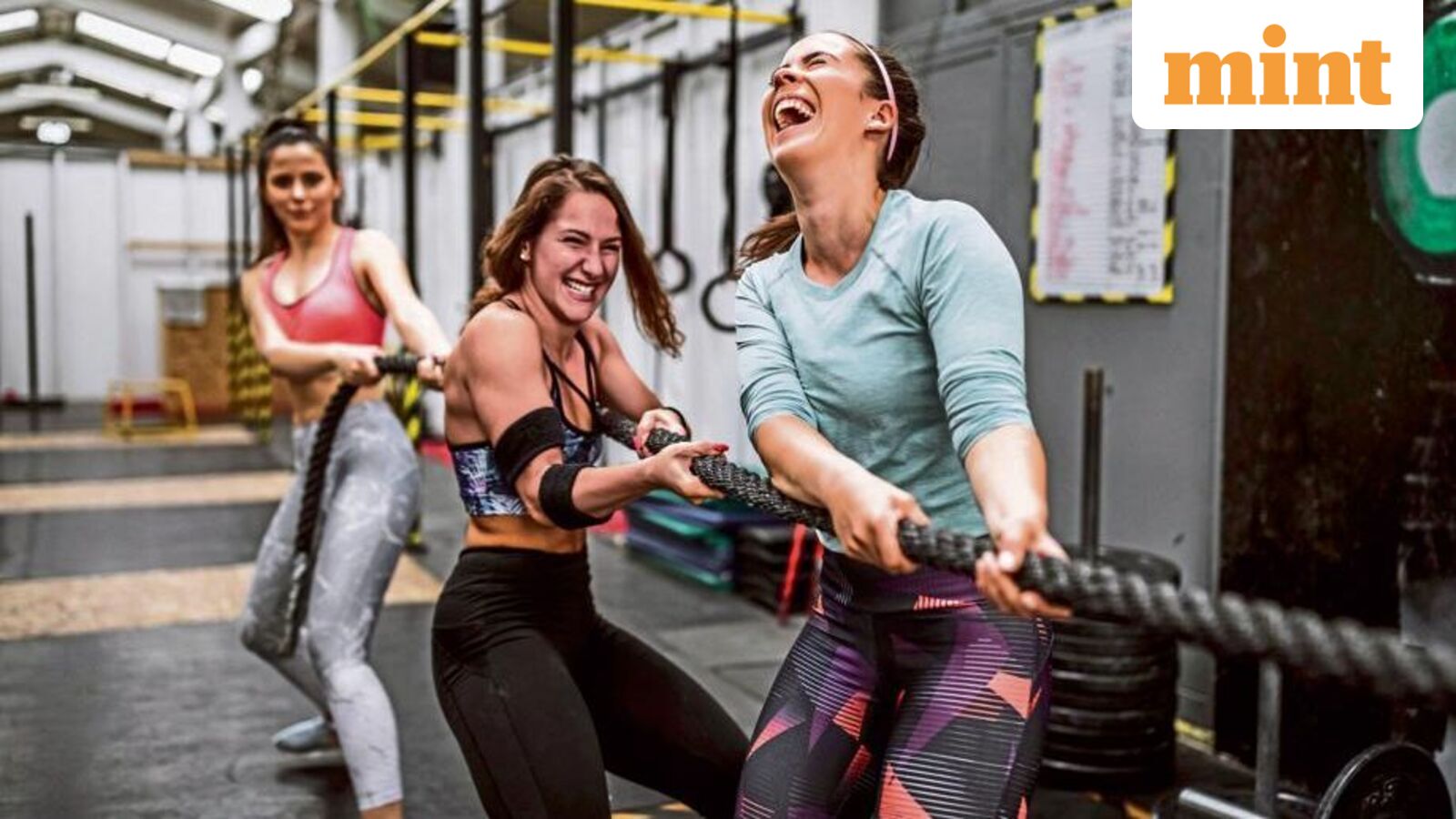
When this year rolled in with the first wave of Gen Z adults and young adults, they brought with them another reason to sweat it out— friendship, real life connections and face time with other humans in the community, in short – the gym was also a great way to foster social connections. Be it running clubs, pickleball games, football or gym, Gen Z looked for social connections while dialling up their heart rate. Run clubs became default dating hubs, and brands such as Puma, Bumble and Tinder tapped the zeitgeist. There’s data to back this behaviour. Strava’s annual Year in Sport: Trend report for 2025 surveyfound that 39% more Gen Z than Gen X use fitness to meet people and when it comes to workout first dates, 46% of respondents say “heck yes” while 31% give it a “hard pass”.
Also Read | What if your resolution for 2026 was simply to be kinder to yourself?THE ‘HYBRID ATHLETE’ IS HERE
2025 saw the launch of the globally successful Hyrox race in India. An event which requires participants to run 8km and perform eight different exercises, including pushing for 50m a sled loaded with more than 100kg, proved to be a hit. It also spawned a new kind of fitness enthusiast—the “hybrid athlete” who can run and pull off feats of strength as well. In the language of fitness aficionados, a hybrid athlete is “someone who half sucks at running and is mediocre in gyms and functional fitness, too”. Laughs aside, data from Strava’s annual report backs this trend as 54% of the fitness app’s users now track multiple activities.
Padel exploded in India this year not just in the metros but also in tier 2 and 3 cities such as Jamshedpur and Guwahati.(iStockphoto)THE RISE OF PADEL
Racquet sports continued to be the sport of choice for newbies and athletes alike. While pickleball might seem to be the “it” sport at the moment – with fashion labels cashing in on its popularity, the sport has drawn a lot of flak for being slow, creating a racket, and has been sarcastically called the sport for the old or the unfit. That’s where padel scored this year. Not only is it faster, it also demands a higher fitness level and better racquet skills. Plus, there’s the added excitement of playing it inside a “glass cage”. No wonder then that it has exploded alongside pickleball not just in the metros but also in tier 2 and 3 cities such as Jamshedpur and Guwahati.
Creatine, as per research, can boost exercise performance in short bursts. (iStockphoto)CREATINE IS THE NEW BLACK
Following the protein hype, the nutrition world needed a new star to continue its growth trajectory this year. In came creatine with new, impeccably-timed research findings validating its powers. Creatine, as per research, boosts performance in short bursts, making it perfect for hitting new personal records while lifting weights, sprinting on track, in the pool or while playing your favourite sport. “Creatine can be useful in improving muscle strength and overall exercise performance. It also helps improve muscle hydration, and thus, can help in increasing muscle volume,” says Niyati Naik, clinical dietician at the Kokilaben Dhirubhai Ambani Hospital in Mumbai.
GLP-1–based drugs such as Wegovy, Ozempic, and Mounjaro became a runway hit despite the expensive price tag. (iStockphoto)WEIGHT LOSS DRUGS GAINED HEFT
This year saw GLP-1–based drugs such as Wegovy, Ozempic, and Mounjaro being launched in the country. To no one’s surprise, they became a runway hit despite the expensive price tag. Eli Lilly’s Mounjaro KwikPen will set you back anything between ₹14,000 and ₹27,500 per month. While these drugs have been a boon for those struggling to manage their obesity and diabetes, they have been a bigger hit among lifestyle users chasing a certain body type and aesthetic. While there has been plenty of speculation about Indian celebrities who might have used these drugs, the biggest validation for these GLP-1 agonists came when American tennis star Serena Williams publicly admitted using these drugs and even promoted using them for lifestyle and aesthetic goals. Parallelly, the debate on body positivity continued without any clear answers.
Also Read | Why mixing your workouts is the smart formula to improve fitnessThis year, women across the spectrum—from actors to doctors and homemakers—openly shared their perimenopausal experiences.(iStockphoto)LET’S PAUSE ON PERIMENOPAUSE
What was a whisper a couple of years back became loud this year as more women across the spectrum—from actors to doctors and homemakers—openly shared their perimenopausal experiences. Symptoms ranging from hot flushes to brain fog were discussed candidly. In the process, the conversations helped foster a sisterhood of women in their late 30s and beyond, who could laugh, cry and vent about this confusing phase of their lives. Writer Ruchita Dar Shah, who runs @fabulousmidlifeclub, a handle dedicated to perimenopause and menopause on Instagram, believes that rising awareness of the subject has led to this surge of interest. “Earlier, people assumed that once a woman turned 50, she’d get menopause and that was it. No one spoke about perimenopause because it is a puzzling, unpredictable time. Since there isn’t enough research on it, all of us are just trying to figure it out together.”
QUIRKY RITUALS WENT VIRAL
Gen Z slang wasn’t the only thing that sent boomers into a tizzy. Often described as “lost” or “lonely”, Zoomers also sparked a wave of wellness trends that racked up millions of views and made headlines. 29-year-old fitness instructor and influencer Ashton Hall’s controversial morning regimen, for instance, had people experimenting with everything from extreme early starts to taping their mouths to get good sleep.But even as naysayers looked on, it also reinvigorated the ‘5AM morning routine ethos’ among wellness enthusiasts and early risers. Then there’s bathroom camping that went viral this year. The activity that essentially involves sitting in the restroom for a long stretch of time to calm the nerves, had Gen Z-ers describing it as a simple and effective way to cope with overwhelming stimulation and burnout. While therapists regarded these short breaks to the loo as harmless, the trend also managed to generate laughs and memes.
WATER GOT SUPERPOWERS
If you can’t eat it, sip it. That seemed the mantra for a lot of youngsters this year as they sought out functional waters fortified with proteins, vitamins, minerals or electrolytes. And brands rushed to keep the momentum going launching everything from black alkaline water to water infused with molecular hydrogen. The rise of the sober curious movement among Gen Z and young millennials certainly helped accelerate the shift, with non-alcoholic beverages and functional drinks becoming their preferred choice. 2025, in short, was the year when hydration went from simply quenching thirst to becoming a flex.
Shrenik Avlani is a writer and editor and the co-author of The Shivfit Way, a book on functional fitness.
Also Read | Hit reset: Your smart guide to exercising after a long break