

A nutritionist has shared a list of six everyday foods that can help your body recover and reduce soreness after exercise – and some of them might already be in your diet
16:31, 08 Jan 2026Updated 08:39, 10 Jan 2026

A group of fitness enthusiasts working out together at the gym using rowing machines – stock photo(Image: )
A nutritionist has shared a list of six everyday foods that can help your body recover and reduce soreness following any type of exercise.
While it’s widely understood that consuming adequate protein is essential if you’re trying to build muscle at the gym, or through other types of exercise, many people don’t realise that there are numerous other foods and nutrients that can improve recovery and reduce post-workout soreness.
And these are all everyday foods that most people can readily add to their daily diets – and some may already be doing so without knowing the advantages.
On her TikTok page, dietician Kyra, who was studying nutrition when she created her video, posted a list of six foods to eat more of if you’re wanting to decrease muscle soreness after exercising and enhance your body’s recovery, reports the Mirror.
“Here are six foods that will promote muscle recovery and reduce soreness,” she announced at the start of the video, before delving into her list.
1. Cherries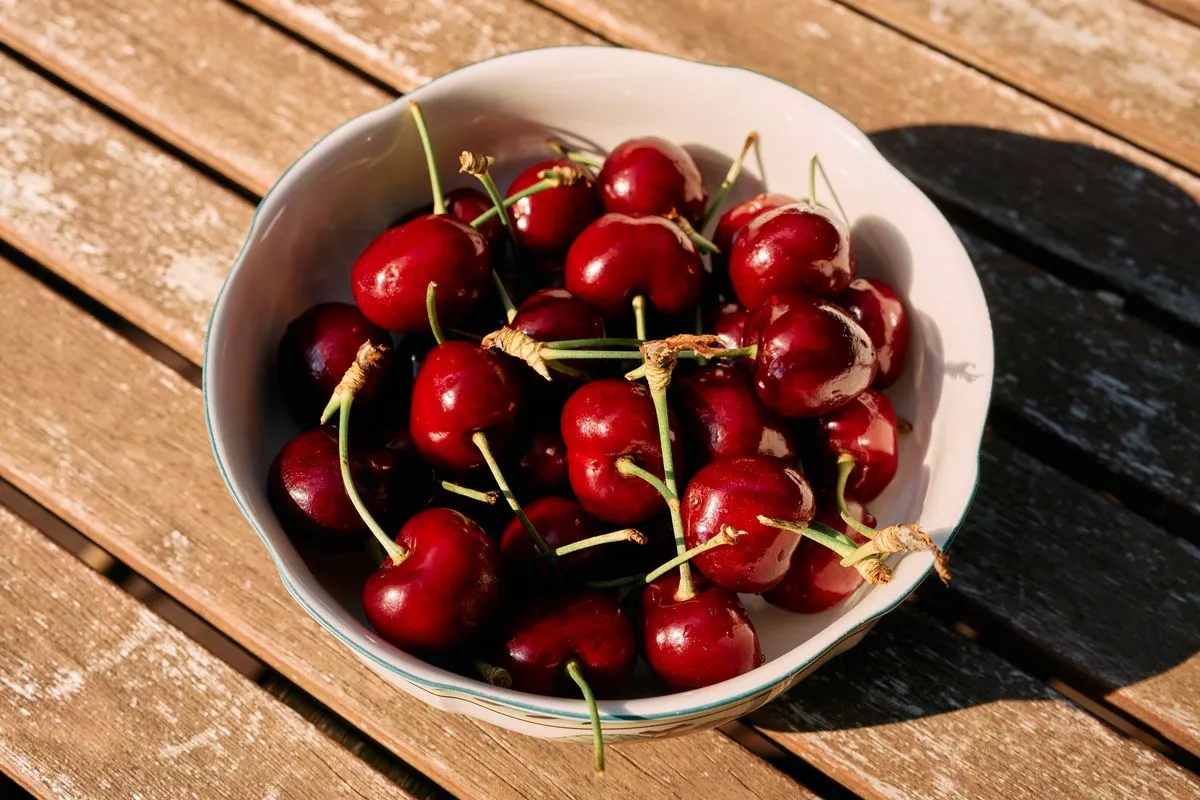
Cherries are packed with antioxidants that help combat oxidative stress and free radicals in the body(Image: )
For her first recommendation, Kyra advised eating cherries or drinking cherry juice, noting that they’re loaded with antioxidants that help fight oxidative stress and free radicals in the body.
Oxidative stress is an imbalance where harmful molecules called free radicals outnumber the body’s antioxidants, leading to damage to cells, proteins, and DNA, contributing to ageing and illnesses such as cancer, heart disease, and Alzheimer’s.
It’s triggered by toxins, poor diet, smoking, radiation and excessive exercise, but can be managed with antioxidant-rich foods and healthy habits, although overtraining can exacerbate it.
2. Salmon
Next on the list, Kyra urged people to incorporate more salmon into their diet if they’re seeking to help their body recover after exercise, as it’s loaded with recovery-boosting properties.
“It contains omega-3 fatty acids, like EHA and DHA that help protect the cell’s structure and fight tissue degradation. And it also has some B vitamins and vitamin D,” she explained.
Vitamin B, especially vitamin B6, aids the body by boosting energy metabolism and recovery processes, whilst sufficient Vitamin D levels are linked with enhanced muscle protein synthesis, strength, jump performance and overall physical capability, according to research.
3. Turmeric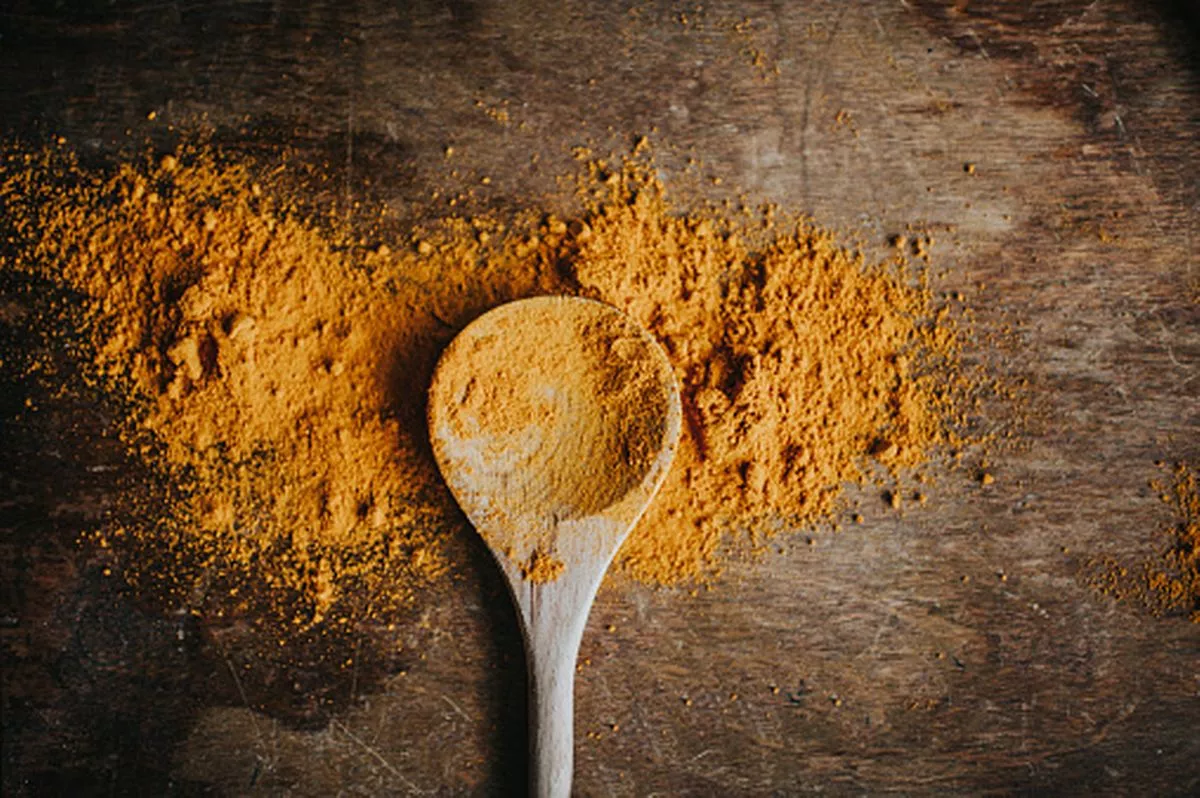
Turmeric powder on a wooden spoon(Image: )
“Turmeric has some powerful antioxidants that are anti-inflammatory,” she said, highlighting that it helps alleviate pain from swelling or inflammation.
Turmeric, especially its active ingredient curcumin, aids exercise recovery by reducing inflammation, oxidative stress and muscle soreness (DOMS), enabling athletes to recover more swiftly from rigorous training.
Research indicates that it can lower inflammatory markers like CRP and boost muscle function, potentially by aiding the body’s natural repair mechanisms without hindering muscle gains, particularly when consumed as a supplement, often combined with black pepper extract for enhanced absorption.
4. Eggs
“Number four, eggs,” Kyra revealed. “These are a complete protein source, like salmon. So they contain all the nine essential amino acids that help prevent muscle breakdown and aid in recovery of damaged muscles.”
Studies have also suggested that consuming 20-30 grams of protein from foods rich in leucine, such as eggs, may promote muscle repair after exercise.
They also contain Vitamin D, which is vital for bone health.
Research implies that sufficient vitamin D intake reduces the risk of stress fractures, total body inflammation, illness, and impaired muscle function.
5. Watermelon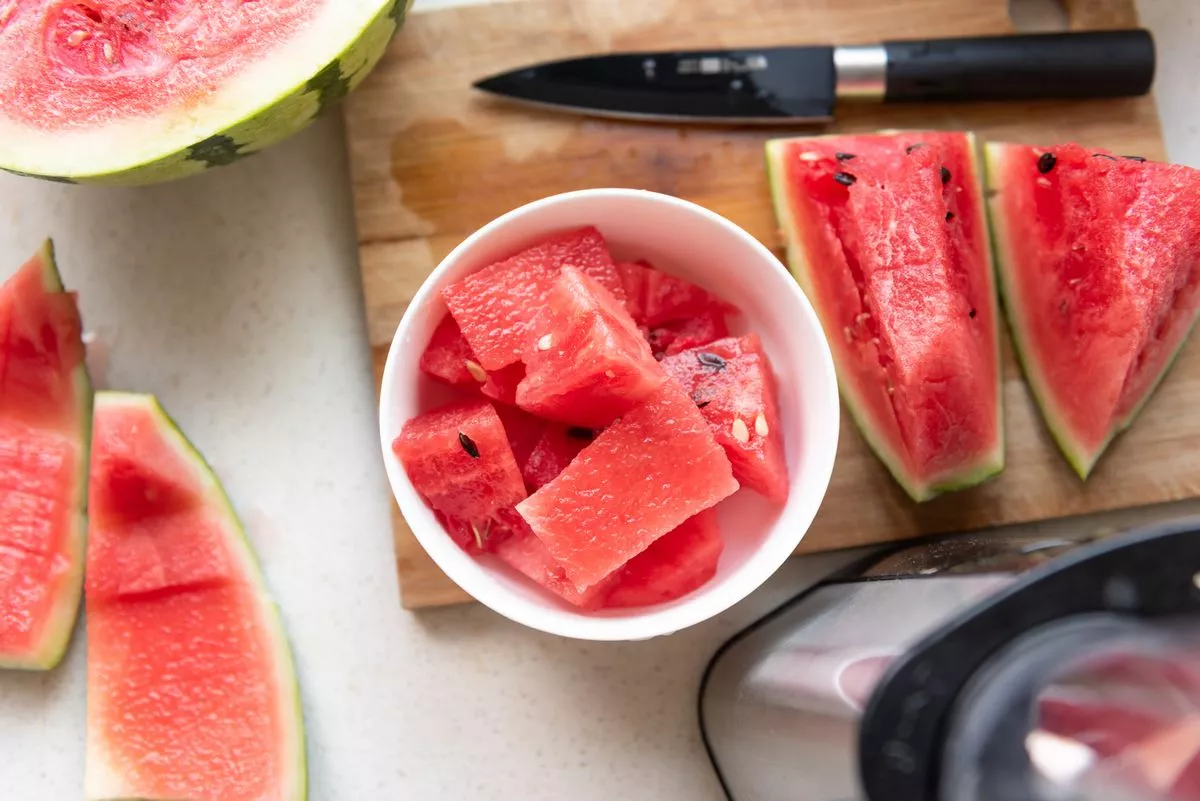
Watermelon contains the amino acid L-citrulline, which plays a role in the removal of ammonia, which is a by product of anaerobic and aerobic exercise(Image: )
For her fifth food, Kyra recommended another fruit, stating that eating watermelon can also enhance your exercise recovery.
She elaborated: “Watermelon contains the amino acid L-citrulline, which plays a role in the removal of ammonia, which is a byproduct of anaerobic and aerobic exercise.”
When glycogen (stored carbs) depletes, your body begins metabolising amino acids from muscle protein for energy, producing ammonia. High-intensity exercise can speed up this protein breakdown, which can make you start to smell this ammonia.
Consuming carbohydrates prior to exercise can help ward this off, but L-citrulline works to minimise it by processing ammonia through the urea cycle, which may postpone tiredness and boost athletic output, research suggests.
6. Leafy greens
“And number six, leafy greens,” Kyra revealed as the concluding item on her roster.
She went on to explain that leafy vegetables, such as spinach and rocket, are packed with nutrients including various minerals, vitamins, and antioxidants.”
So, spinach, for example, contains vitamin A, C, K, and folic acid, iron, calcium, and magnesium, which all helps relieve oxidative stress in the body,” she detailed.
Subscribe to our newsletter for the latest news from the Irish Mirror direct to your inbox: Sign up here.