
Should you be swallowing goji or acai berries? Downing matcha or maca? Retching on spirulina or chlorella powder? The world of supposed superfoods is wild, weird and – sometimes – wickedly expensive. Still, you can’t put a price longevity, right?
Wrong, says Esra Soylucicek, nutritional therapist at Reborne Longevity, a private hospital in London. Esra specialises in foods that really boost your chances of living longer, taking a strictly science-based approach. And, she says, the ingredients you really want to eat for longevity are likely to already be in your fridge.
‘When people ask me what to eat for longevity, I always explain that it’s not about exotic “superfoods” or restrictive plans; it’s about the small, everyday foods you come back to again and again,’ she says. ‘The body responds to what you do consistently, not what you do perfectly.’
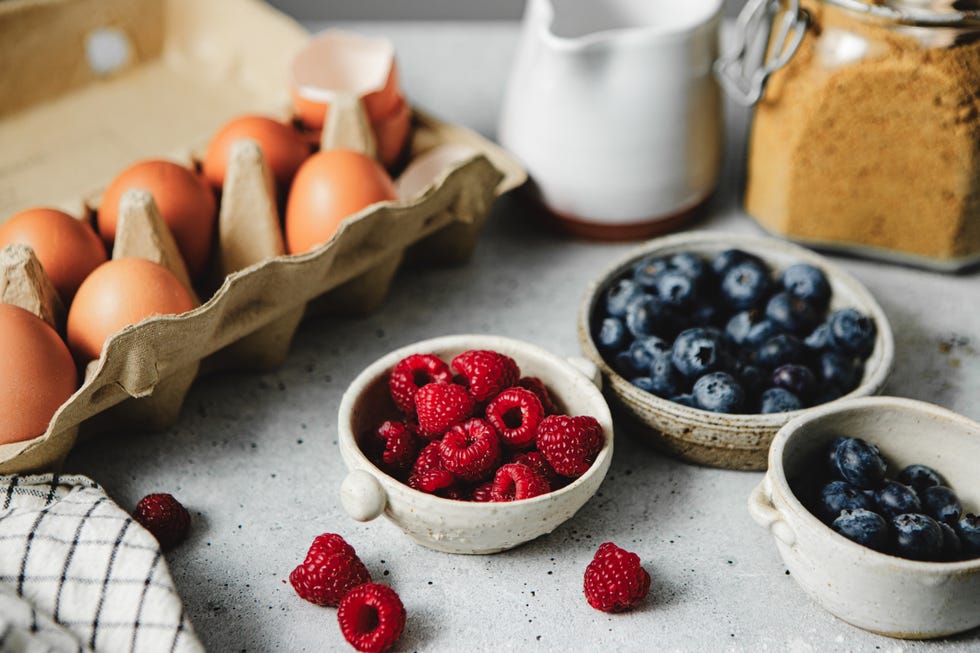
Her top choice? The humble egg. ‘I have organic eggs most mornings, usually two soft- or medium‑boiled,’ she explains. ‘They’re a brilliant source of high‑quality protein, which is important to start your day and helps maintain muscle mass as we age – so important for strength, balance and independence in later life. I prioritise eggs especially for their choline content: choline is an essential nutrient that the body uses to make acetylcholine, a key neurotransmitter involved in memory, learning, focus and muscle control. Supporting acetylcholine production through choline‑rich foods is one practical way to look after cognitive health and the nervous system as we get older.’
alvarez
Also on Esra’s daily menu are berries: ‘Most often, blueberries and raspberries with two Brazilian nuts, but my absolute favourite are pomegranate seeds.’ These, she explains, are rich in antioxidants and polyphenols that help protect our cells from oxidative stress, one of the processes that contributes to ageing over time.
‘Pomegranate seeds are particularly special because they specifically support Akkermansia muciniphila, a beneficial gut bacteria crucial for maintaining a healthy gut lining and microbiome diversity, both strongly linked to metabolic health, immunity and longevity,’ she adds. Mix them into salads for a burst of flavour and gut benefits, or eat them as a snack or pudding on yogurt. ‘Berries also feed other beneficial gut bacteria and support a more diverse microbiome overall, which we now know influences immunity, mood and long-term health,’ says Esra.
Finally: ‘Flaxseeds are one of my quiet hero foods. I have around two tablespoons a day,’ she says. Take them ground and sprinkled over yogurt, blended into a smoothie or added on top of porridge or salads. Why? ‘They’re rich in fibre, which helps support healthy cholesterol, steadier blood sugar and a thriving gut microbiome,’ says Esra. ‘Flaxseeds also provide plant‑based omega‑3 fats, with anti‑inflammatory benefits, and lignans, plant compounds that support healthy oestrogen metabolism and hormone balance. This becomes especially important in midlife and beyond.’
The best thing about these three foods? ‘How practical and realistic they are,’ says Esra. ‘You can fold them into everyday meals that feel comforting and familiar: eggs on toast with some greens, yogurt with flax and berries, salads with pomegranate seeds mixed in or a simple bowl after dinner.’ No mysterious, unpalatable powders necessary.
Related Stories