
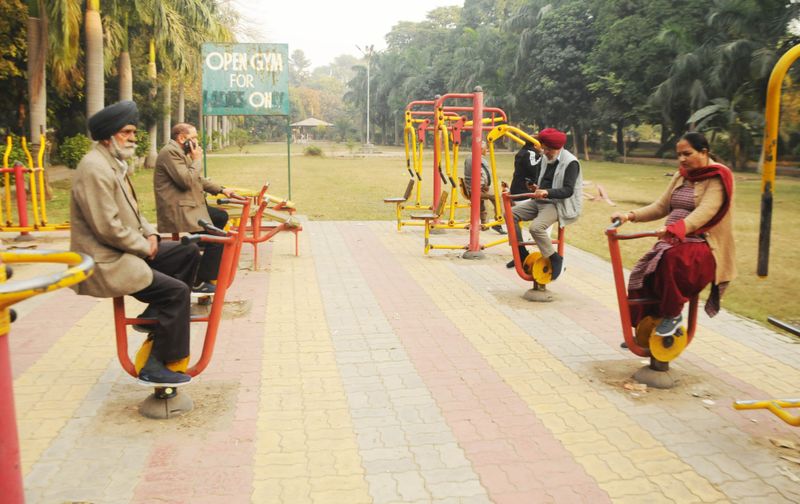
As winter tightens its grip, the familiar sight of people stepping out for an early morning walk before sunrise may appear healthy, but doctors warn that exercising in extreme cold can silently strain the heart and lungs, especially among the elderly and those with existing health conditions.
Health experts warned that cold temperatures cause blood vessels to constrict, leading to a sudden rise in blood pressure. This, combined with physical exertion, increases the risk of heart attacks and strokes during winter mornings.
“Cold air makes the heart work harder to pump blood. People with hypertension, diabetes or a history of heart disease are particularly vulnerable,” said Dr Balbir Singh, physician at a local hospital. Doctors also point out that breathing in cold, dry air can irritate the airways, triggering asthma attacks, bronchitis and other respiratory problems. Morning fog and higher pollution levels during winter further worsen the situation.
During early hours, pollution remains trapped close to the ground due to temperature inversion. Exercising at this time means inhaling more polluted air, stated health experts.
Hospitals often see a rise in cardiac and respiratory cases during winter months, many of which are linked to sudden exertion in cold conditions. According to doctors, people often underestimate winter risks, believing that physical activity automatically improves health.
Medical professionals advise shifting outdoor exercise to later in the morning, preferably after sunrise, when temperatures are slightly warmer and pollution levels begin to disperse. Wearing layered clothing, covering the nose and mouth with a scarf, and warming up indoors before stepping out are also recommended. For senior citizens, doctors suggest moderate indoor activities such as stretching, yoga or walking inside well ventilated spaces.
Public health officials are also urging people not to ignore seasonal health advisories. With winter-related illnesses on the rise, simple precautions can prevent serious complications. “Maintaining an active lifestyle is important, but safety should come first. Adjusting routines according to weather conditions can save lives,” said Civil Surgeon Dr Satinderjit Singh Bajaj.