
January is full of good intentions and unrealistic fitness plans. New gym memberships, complex training splits, expensive equipment that quietly gathers dust by February. But the best fitness resolutions aren’t the loudest ones, but the ones you actually stick to.
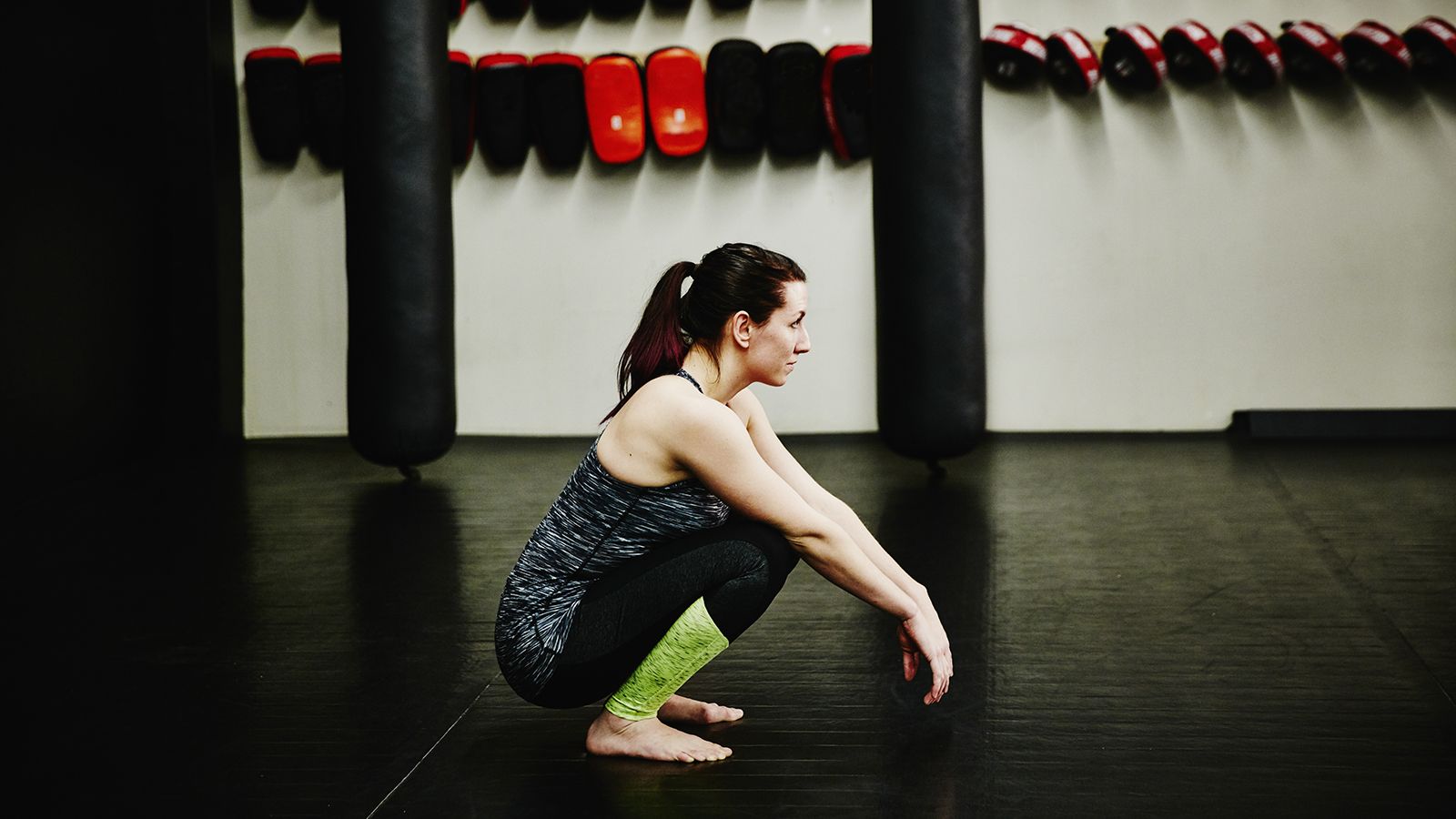
This year, I suggest a different approach than your usual bodybuilding programme or cardio workouts. No kit, no classes, no pressure to perform. Just two minutes a day doing one movement my body was designed to do: the resting squat.
Also known as the deep squat, it’s a position babies drop into effortlessly and many adults have quietly lost. It improves mobility, posture, and joint health, costs nothing, and fits neatly into everyday life – I did mine while the kettle boiled. No warm-up, no excuses!
You may like
I’ve been doing deep squats, and here’s what happened to my body after just a few weeks.
What is the resting squat?
The resting squat, also known as the deep squat, is one of the most effective positions you can practise for ankle mobility, hip openness, joint health, and overall comfort. But the truth is, most of us can’t get into it in a way that feels remotely comfortable. Some of us can’t get into it at all. So I put it to the test: two minutes a day, no warm-up, no equipment, just me, a timer, and the floor. Here’s what I found.
(Image credit: Shutterstock)
What are the benefits of a resting squat?
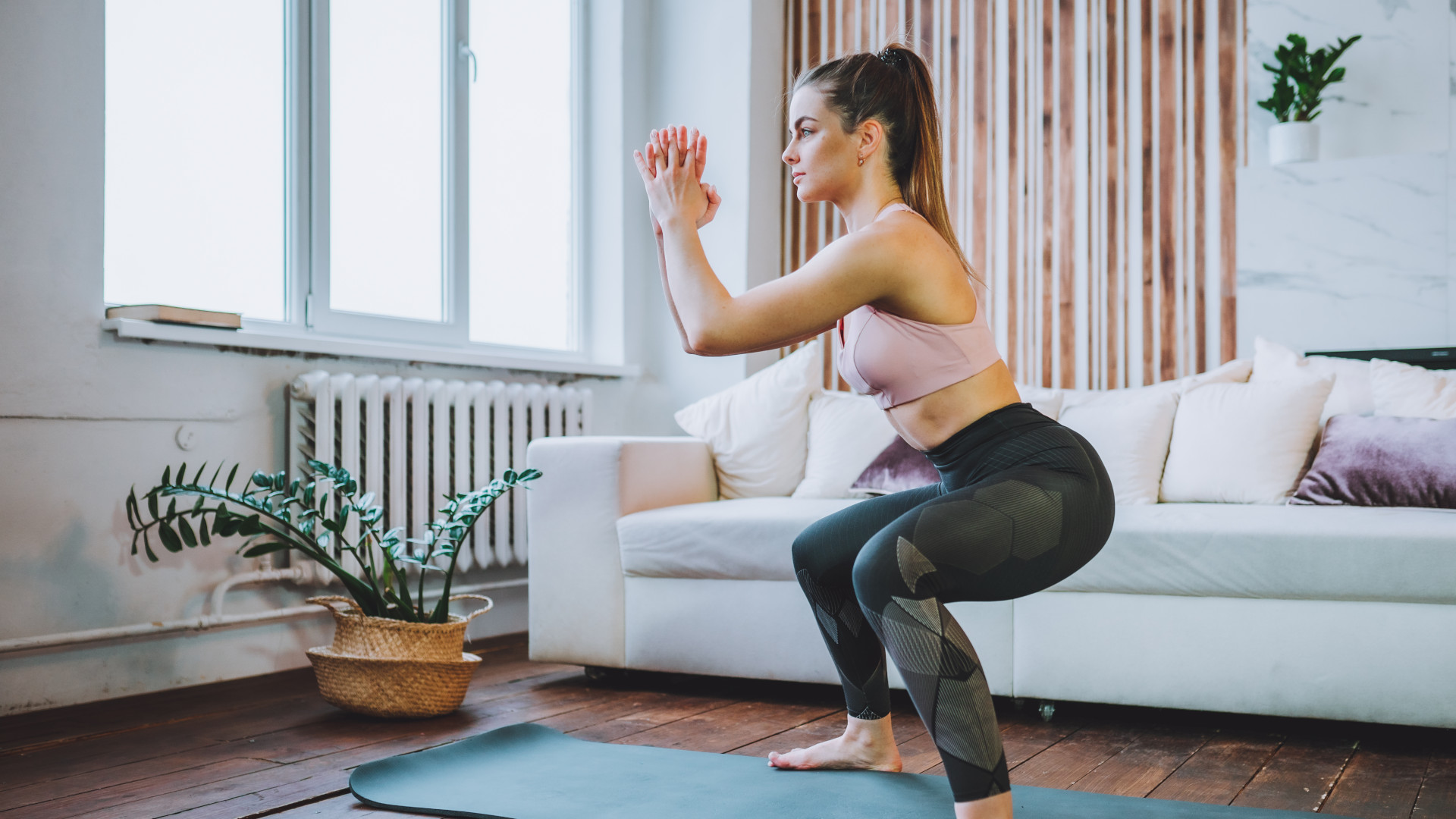
Research suggests that deep squat positions can improve joint health, ease lower back discomfort, and mimic the natural resting posture humans used long before chairs were invented. The position delivers a strong hip stretch, ideal for undoing the stiffness caused by prolonged sitting, while engaging the lower back, glutes, and legs without adding extra weight.
It may also support digestion. A deep squat applies gentle pressure to the lower abdomen, which can help stimulate the digestive organs and encourage things to move more smoothly. For me, two minutes first thing in the morning worked best. I’d drop into the position while the kettle boiled and mentally plan my day. It quickly became part of my routine – mobility, intention-setting, and coffee all ticked off before 6:30 am.
How to do a resting squat
How to Do a Deep Squat According to Physical Therapists – YouTube
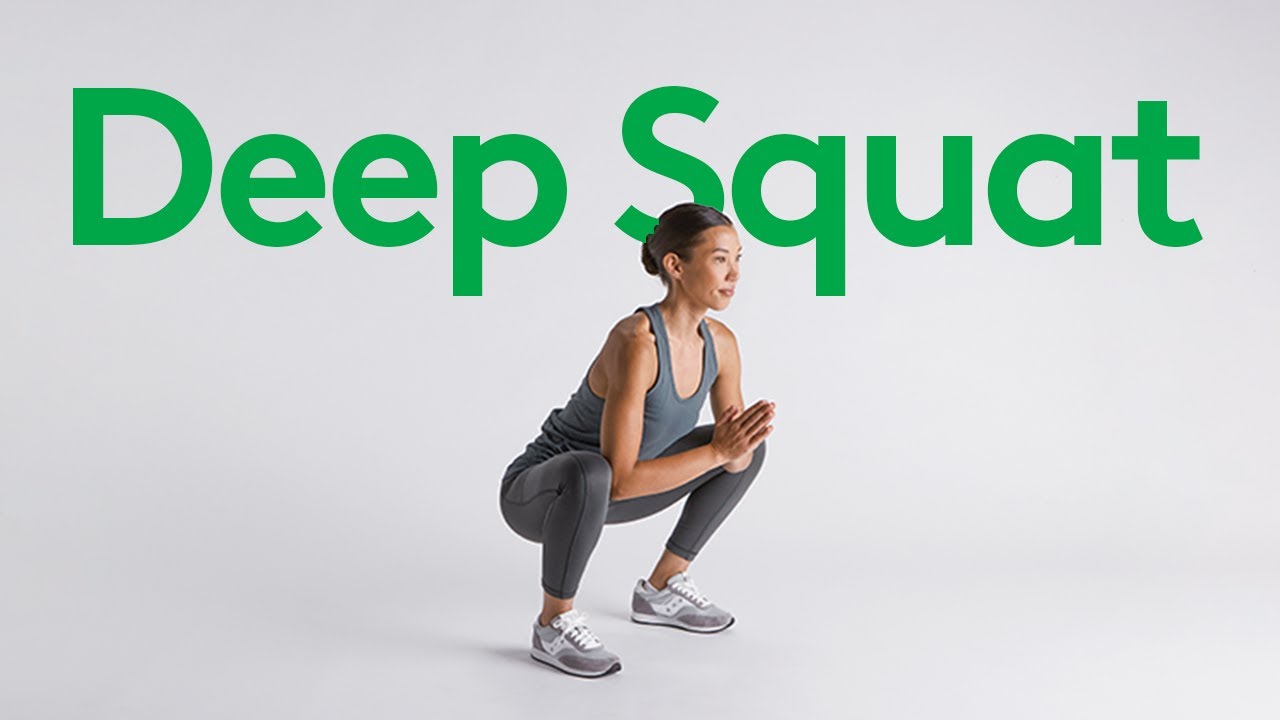
When we think about squats, whether it’s with a barbell, a pair of the best dumbbells, or just bodyweight, most of us stop when our thighs hit parallel. We rarely drop any lower, usually to protect our knees, and almost never hang out in that low crouched position. But the deep resting squat is actually one of the most effective mobility moves you can do. Here’s how to get into it;
Stand with your feet slightly wider than shoulder-width apart, toes turned out slightly.Lower slowly, keeping your heels rooted and your knees tracking in line with your toes.Keep your spine neutral and your chest lifted – avoid rounding or collapsing forward.Bring your hands together at your chest and use your elbows to gently press your knees outward.Sit as low as you comfortably can without letting your heels lift or your back round.Stay here and breathe.If you want to add movement, rock gently side to side or shift from heel to heel to release tension in the hips.6 things I learned from doing resting squats It starts out a little uncomfortable
The first time I held a deep squat, it didn’t exactly feel comfortable – even with my gymnastics background and fairly flexible hips. After long periods of sitting, deadlines, and slipping into bad habits like skipping stretches after a gym session, my body was stiff.
Those first 60 seconds felt endless, but one thing that helped was gently swaying from side to side – it distracted from the discomfort and kept the hips moving. Just remember: there’s a difference between “good” discomfort and pain from overstretching. If it hurts, come out and shake your legs.
Many people won’t be able to sink their hips below knee level at first – that’s completely normal. Don’t force it. The more consistently I practised, the more my mobility improved, and eventually the deep squat started to feel natural.
It helps reduce back pain
Holding a deep squat naturally engages your lower back and core muscles. Over time, this builds core strength, stability, and better posture, all of which can reduce the risk of lower-back pain.
Research in the Journal of Physical Therapy Science found that targeted hip exercises, like the deep squat, were more effective for individuals with chronic low-back pain and lumbar instability than conventional therapy.
It makes sense: the position gently decompresses the spine, relieving pressure on the discs and promoting better alignment.
They engaged my quads and glutes
The deep squat has been shown to be more effective at building the glutes and inner thighs than a standard squat, and I can confirm that by the end of the two minutes, my quads were burning, and so were my glutes. I put this down to my body having to work through a full range of motion during the deep squat.
In fact, research also suggests that you’ll see greater increases in muscle strength and size than you would by performing shallow squats with heavier weights.
They are very grounding
Squats already have plenty of benefits, from building lower-body strength and boosting power to engaging the core, but holding a deep squat adds a more holistic element.
Over time, the position started to feel grounded in a way that standing stretches just don’t. Sitting close to the floor made me feel connected to a movement my body once knew instinctively but had forgotten. It was surprisingly meditative and quickly became an intentional part of my daily routine.
Improves knee and ankle mobility
There’s nothing flashy about the deep squat, but functional movement is all about reclaiming what your body was designed to do. It’s also one of the best ways to strengthen and protect your knees and ankles. Despite the myth that squats are “bad for your knees,” they’re actually a natural human movement we use daily.
As for ankle health, the deep squat requires bending, shifting, and stabilising – all of which improve mobility and overall range of motion. This is key for better weight distribution and power when running, walking, jumping, or cycling.
The good news? Tight ankles are completely trainable. Add ankle-dorsiflexion exercises, such as ankle circles and calf stretches, to your routine, or try squatting with a weight plate under your heels to relieve tension. Over time, you can gradually reduce the plate height as your mobility improves, letting you sink deeper into the squat with ease.
They don’t have to feel so tough
And lastly – before you throw in the towel and tell me that you can’t deep squat. Don’t be discouraged – deep squats don’t have to be intimidating. You can make them more accessible by placing two yoga blocks under your glutes. This helps you sit in the correct position comfortably and safely.
You can also hold onto a doorway or TRX for support. Where there’s a will, there’s always a way.
After just two weeks of daily practice, those two minutes already feel noticeably easier – and it’s made me wonder what we did before chairs. Squatting was once a natural resting position for humans; how we rested, worked, ate, and moved through daily life long before chairs became the norm.
And while I’m not about to eat my cereal in this position anytime soon, it’s a relief to finally feel comfortable sitting like this. My hips, knees, and ankles are moving freely and supporting each other the way they’re meant to. It’s time to get back to our roots – one (deep) squat at a time.