
Sunday Runday

(Image credit: Android Central)
In this weekly column, Android Central Wearables Editor Michael Hicks talks about the world of wearables, apps, and fitness tech related to running and health, in his quest to get faster and more fit.
We had a strong 2025 for fitness watches and wearable tech, but like you, I’m already turning my attention to what 2026 has in store for us, from new Garmin tech to escalating lawsuits and improved smart glasses-fitness integration.
My 2026 Pixel and Galaxy Watch predictions included plenty of exciting health and fitness tools, but I’m focusing here on the dedicated fitness brands — Garmin, COROS, Polar, Suunto, Amazfit, and so on — and the new hardware and software we should expect this year, with some smart ring and glasses info thrown in.
Plus, I’m listing out everything I want to see in the fitness space in 2026. Let’s dive into what should be an exciting year (if I’m right)!
You may like
Garmin will find a signature Fenix 9 feature for an otherwise quieter 2026
(Image credit: Michael Hicks / Android Central)
Garmin’s 2025 was packed with new Forerunners, Venus, Instincts, Vivoactives, and more. This should be an off-year: Aside from the already-leaked Vivosmart 6 fitness band, we could see an Instinct 3X or Venu Sq 3; a Forerunner 170 or Lily 3 is possible but less likely, given they’ve followed three-year schedules so far.
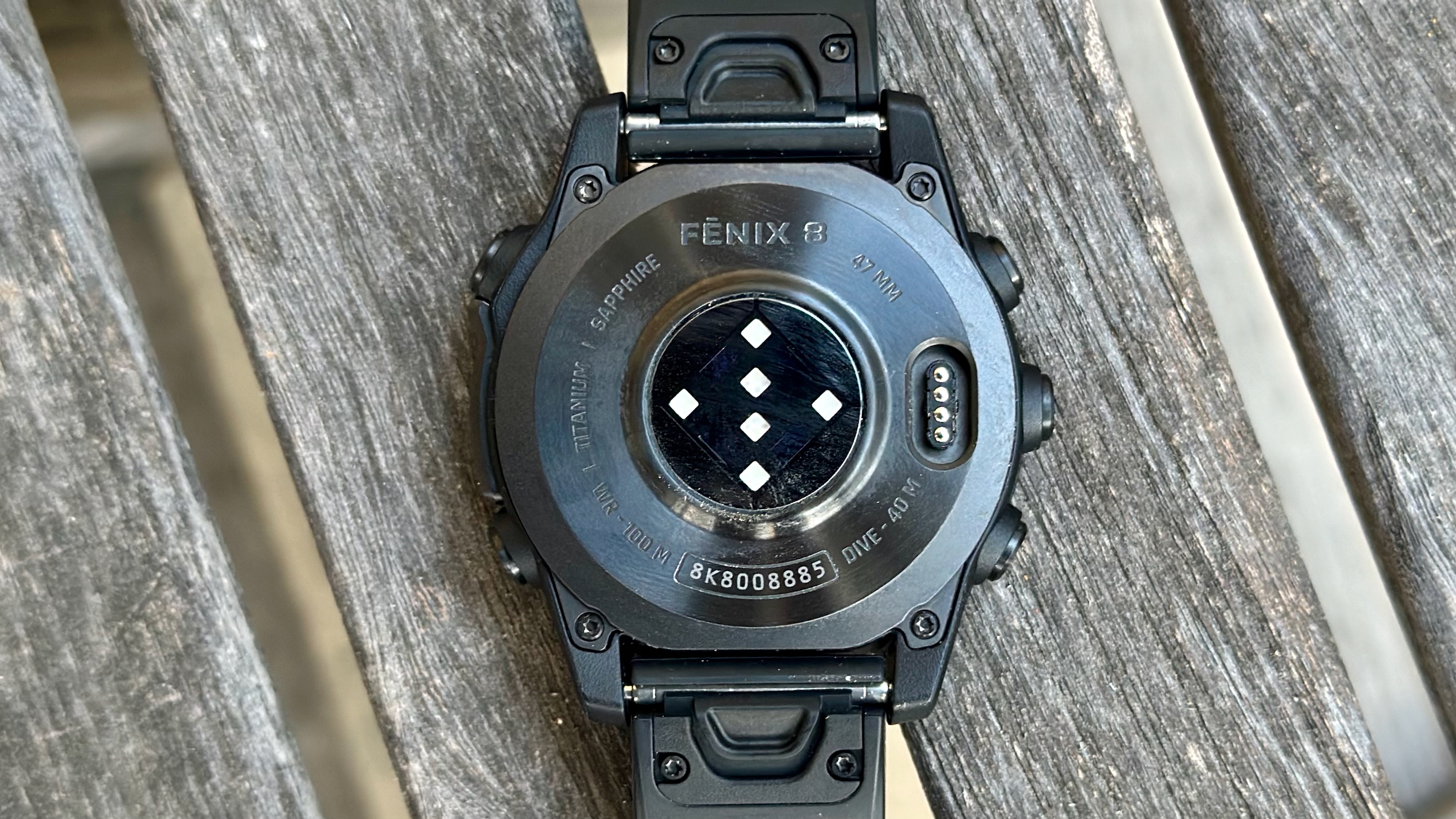
The only guaranteed release is the Fenix 9, with an Enduro 4 also highly likely. Garmin’s stock flopped because the Fenix 8 Pro didn’t sell to expectations, so there’ll be huge pressure to innovate.
We’ve seen Garmin patents for “glycated hemoglobin” tracking and “pulse spectrometry” data for your hydration levels and red blood cell count; either could be the signature feature for sixth-gen Elevate sensors. Two other recent patents — Solar charging on AMOLED displays and a crown instead of Up/Down buttons — could signal design changes to make the Fenix 9 stand out.
Garmin’s rivals will keep undercutting its watches and focus on Whoop-style bands
(Image credit: Michael Hicks / Android Central)
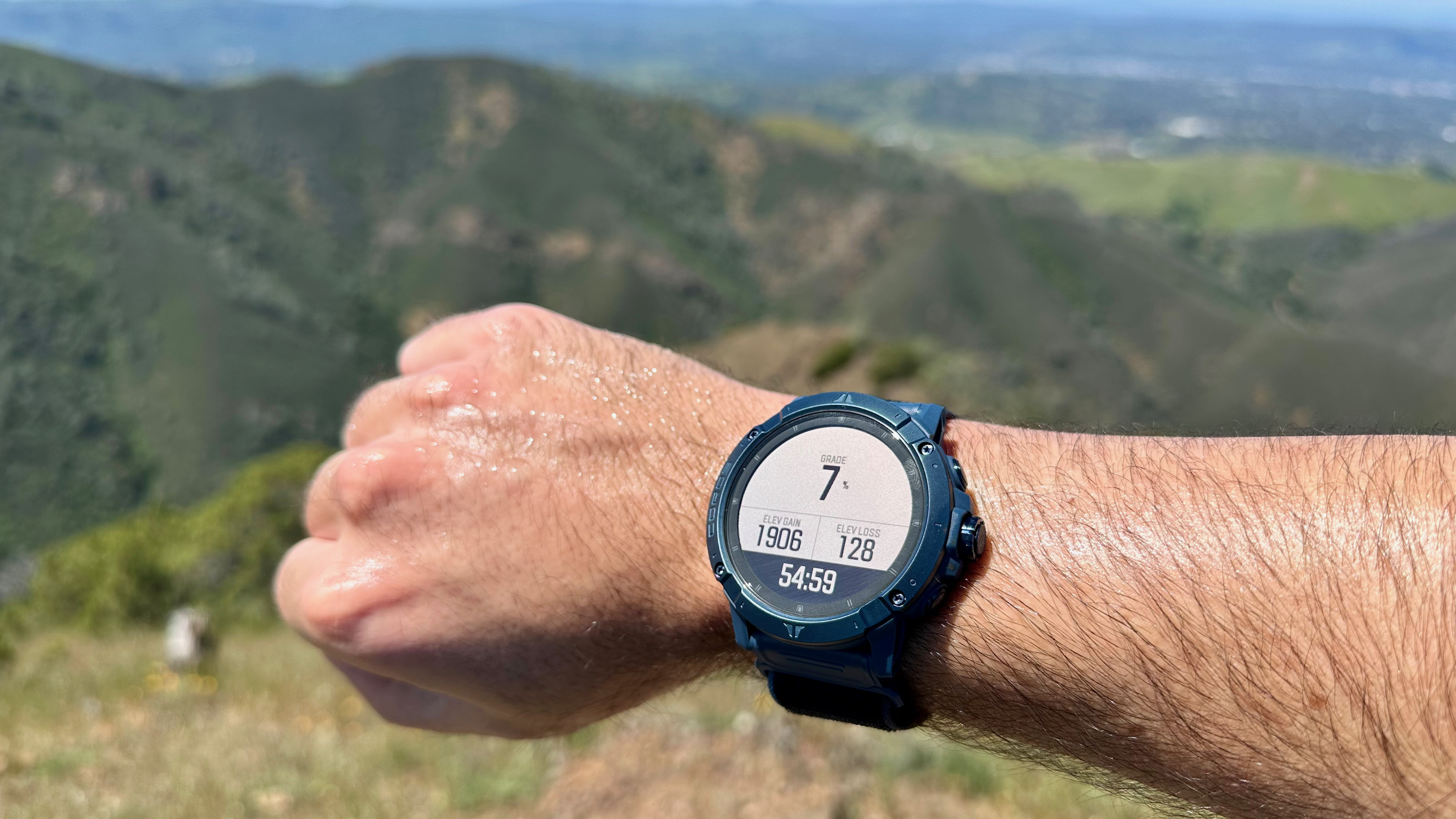
COROS had a strong ending to 2025 with three new watches, but there’s one obvious missing link: the VERTIX series, which launched the 2 in 2021 and 2S in 2024. After the APEX 4 skipped a generation to align with the PACE 4, a VERTIX 4 in 2026 as a more affordable Fenix 9 rival seems like an obvious prediction.
Otherwise, I’m expecting COROS to launch a diving or snorkeling feature with the APEX 4’s inactive depth sensor. It even patented an “Underwater Motion Trajectory” tool in October that would track smartwatch swimming motions with sonar, which sounds pretty cool.
(Image credit: Polar)
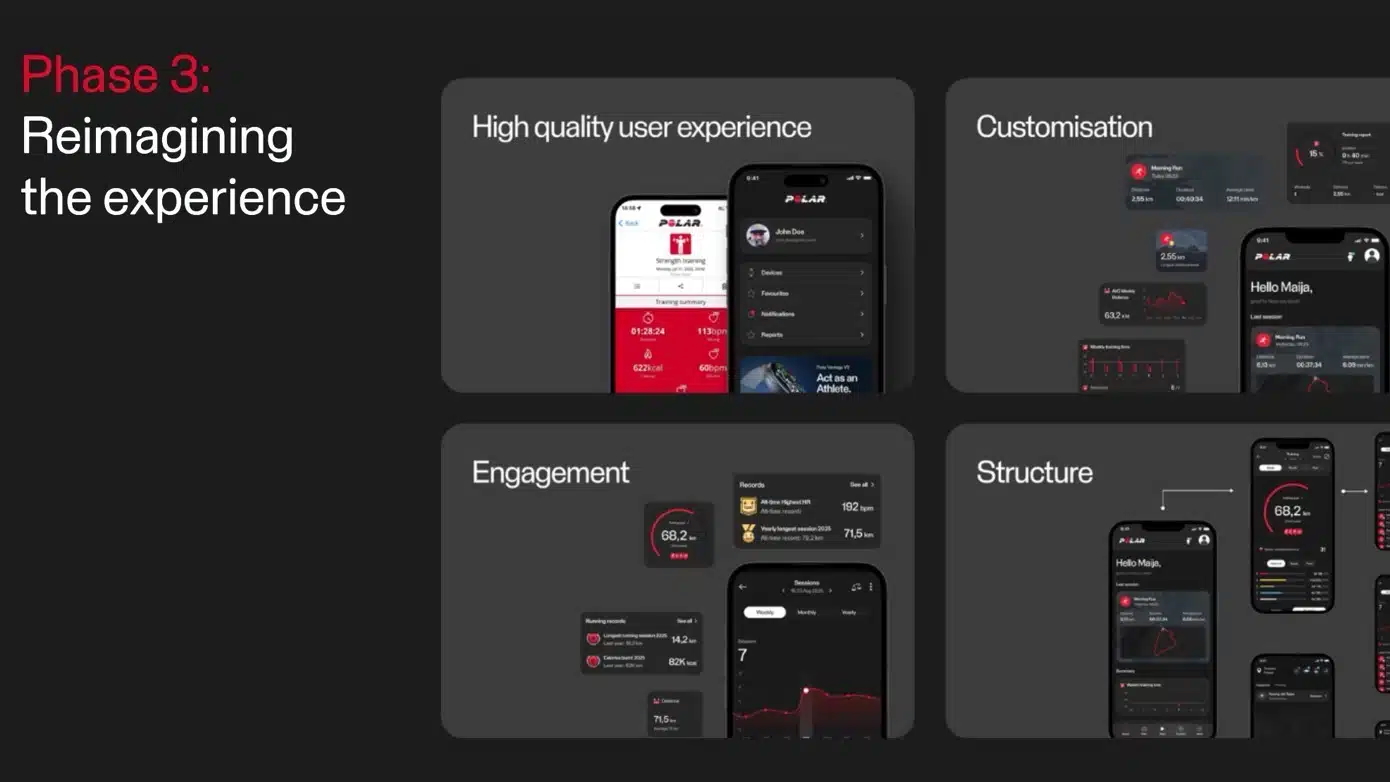
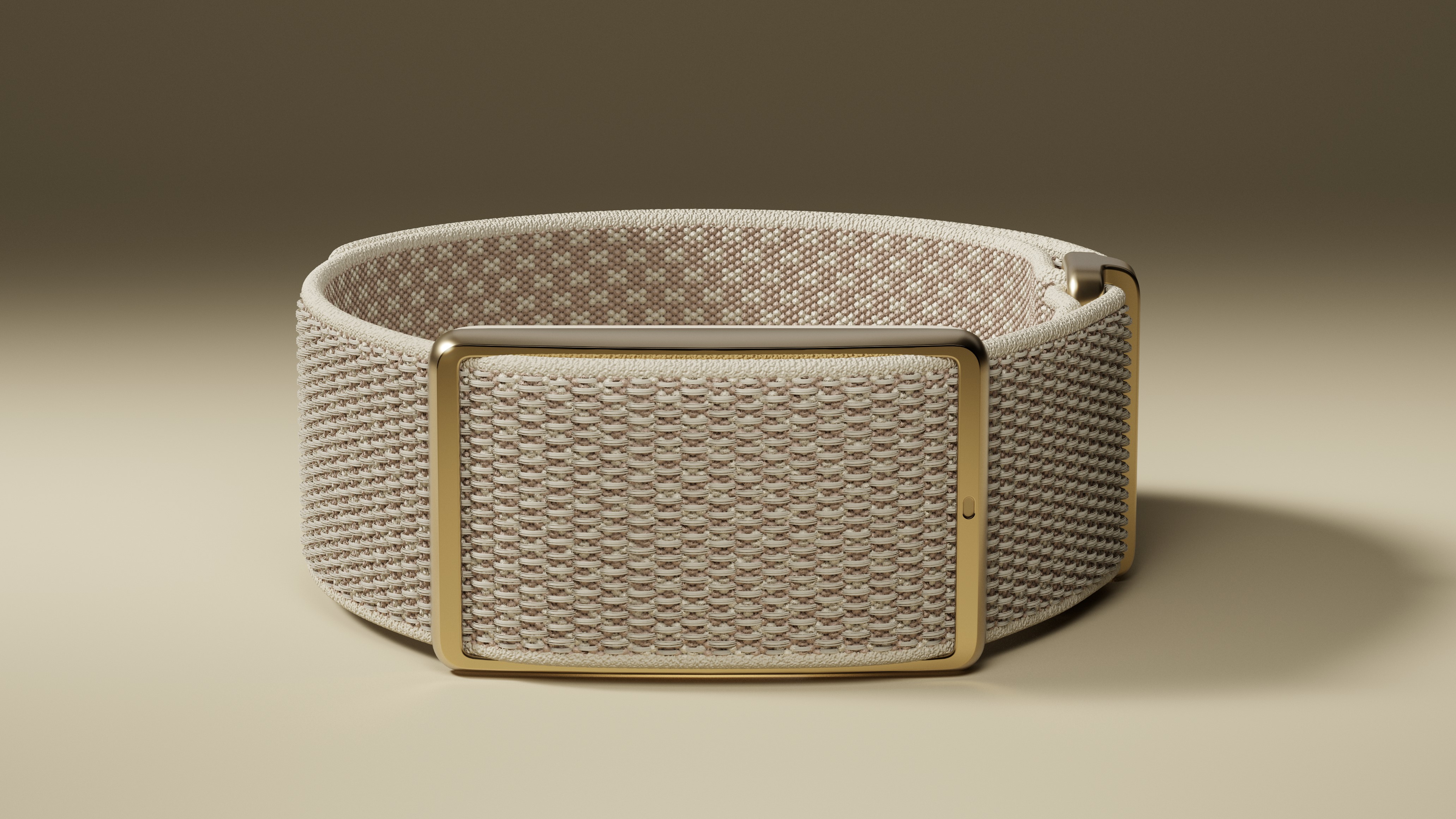
Polar should continue to focus on the Polar Loop in 2026, with an emphasis on rebuilding the Polar Flow app to make the experience more compelling. Gadgets & Wearables has Polar on record about its three-step app revamp plan; eventually, we’ll get a “dynamic and data-centric” home screen that’s user-customizable, a “layered navigation system where quick glances lead to more detailed insights,” and “Cards” for metrics like HRV, similar to what we see in other fitness apps.
(Image credit: Polar)
G&W also claims Suunto is building its own Whoop/ Polar Loop-style band, which we could theoretically see in 2026. It would be designed for 24/7 wear, tracking both sleep and workout data. I’m also expecting a budget version of the Race 2 (the Race 2S) to undercut the Forerunner lineup.
We’ve also seen leaks about an Amazfit Active Max coming soon, priced at $170 and featuring 25-day battery life and a 1.5-inch display. This, too, will target frugal athletes scared off by Garmin’s ever-rising prices. Amazfit already sells its own Whoop-style Helio Strap.
Fitbit dives back into the fitness hardware game
(Image credit: Andrew Myrick / Android Central)
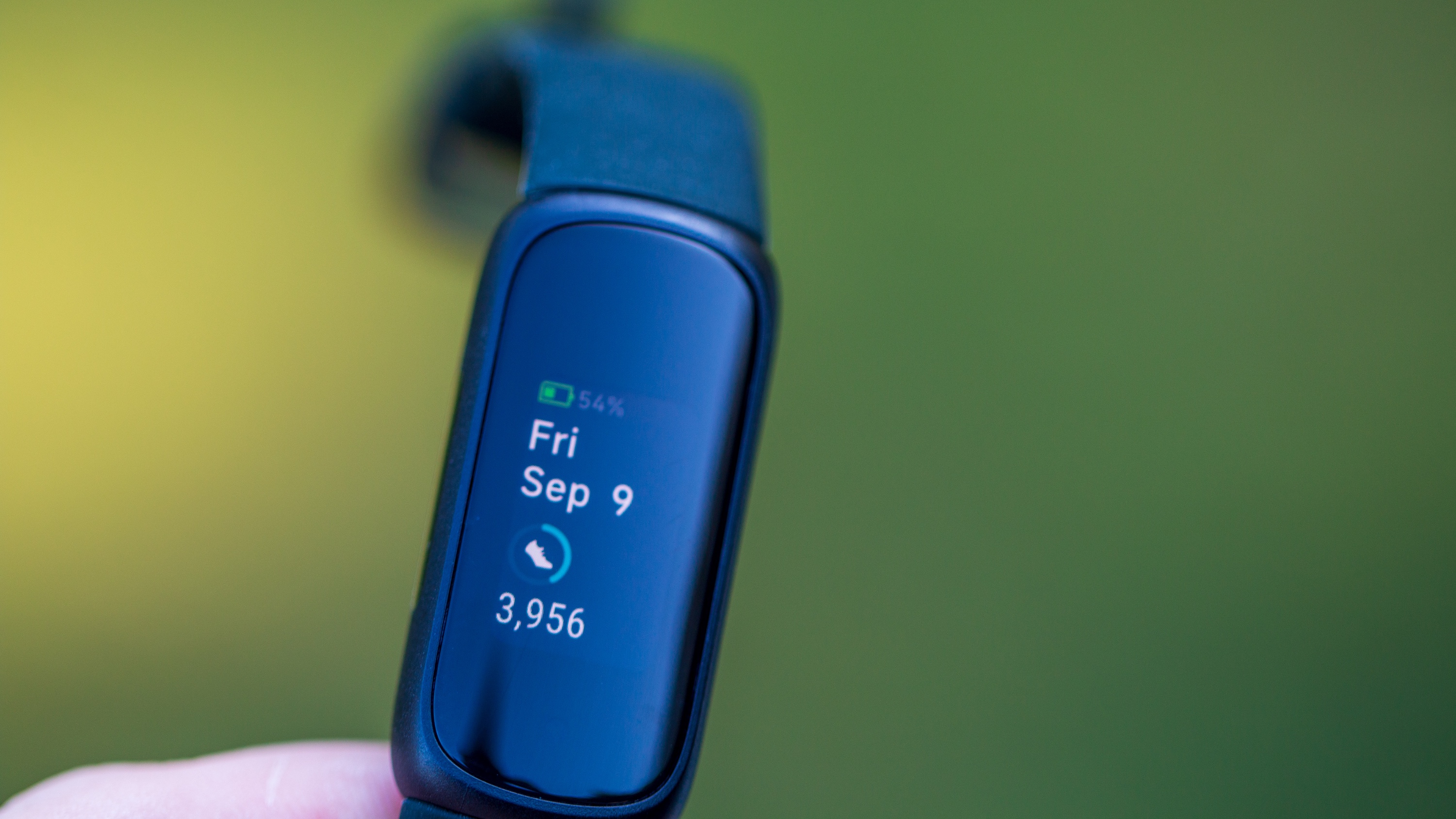
The Google-owned Fitbit brand has barely released new hardware in the last few years. But it’s guaranteed that we’ll get new Fitbit-branded hardware in 2026, aligned with the new Fitbit Personal Health Coach AI that builds a personalized, flexible workout plan across different sport types.
Fitbit execs have made it fairly clear that the Pixel Watch is the official Fitbit smartwatch, which could mean we’re more likely to see an Inspire 4 or Charge 7 than a Sense 3 or Versa 5 — though this isn’t certain.
Fitness patent legal wars will escalate in 2026
Garmin and Suunto have an ongoing legal dispute (Image credit: Michael Hicks / Android Central)
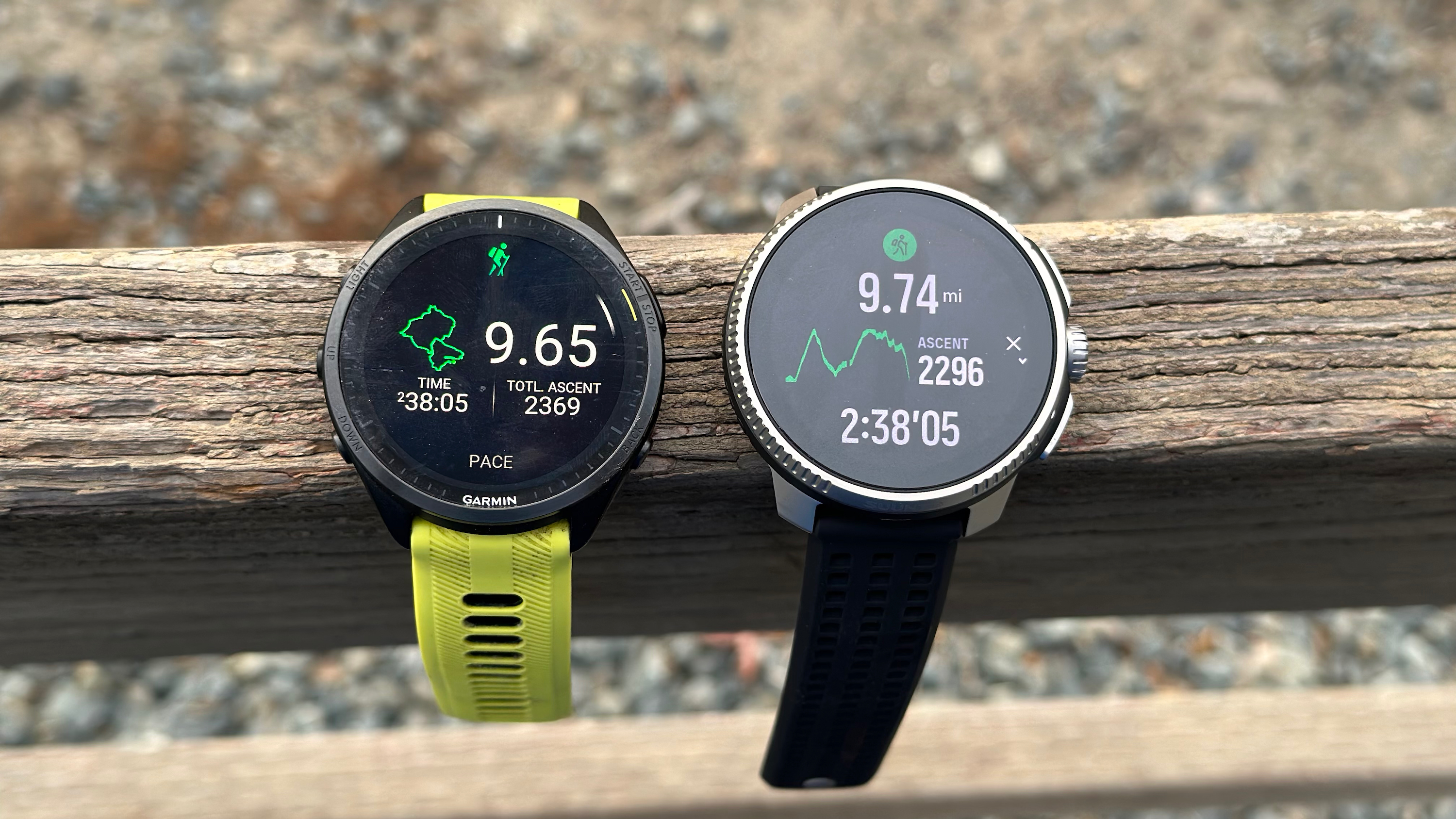
This last year, we saw Oura wield smart ring patents to get Ultrahuman banned and sue Samsung and Amazfit. Strava sued Garmin before eventually settling the dispute, but Suunto also sued Garmin over patents related to golf ball tracking, breathing rate, and antenna design. Polar, meanwhile, failed to beat Suunto and Garmin’s Firstbeat in court over a heart rate patent, while Whoop sued Polar for IP infringement over the Polar Loop’s Whoop-esque design.
Samsung will continue to fight Oura in court in 2026, with its recent countersuit arguing that twelve Oura patents should be invalidated. And the Garmin/Suunto and Polar/Whoop battles should continue. But more broadly, fitness watch brands could become even more litigious in 2026, leading to deactivated features or even delisted devices.
Garmin desperately needs a performance boost (and a software pledge)
(Image credit: Michael Hicks / Android Central)
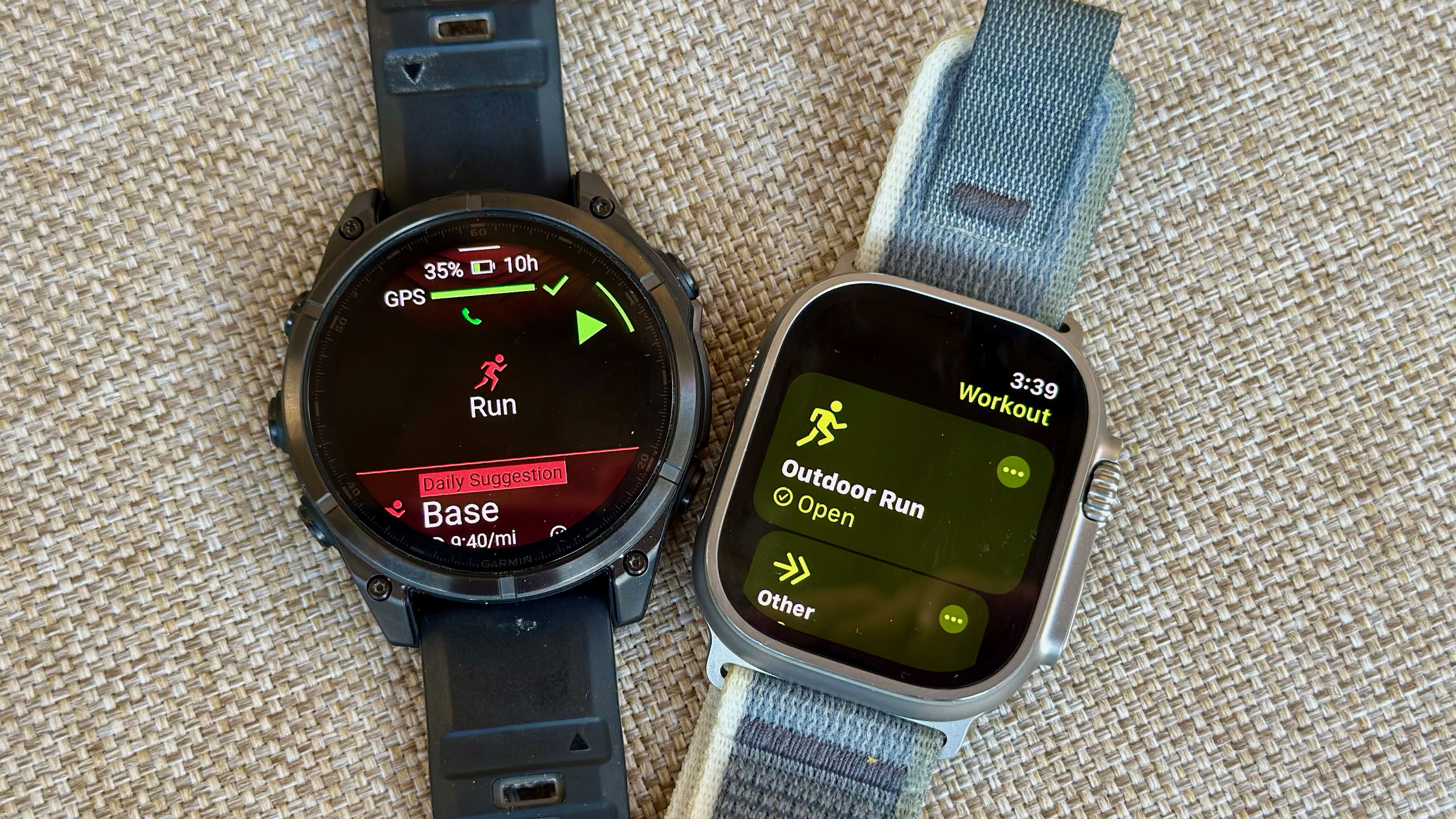
Garmin watches pack in more features than any other dedicated fitness watch brand, and the last generation improved the UI to be more smartwatch-like. But the hardware inside Garmin watches hasn’t kept up: Menus are laggy, and using maps is painfully slow on the premium models. Garmin may want to prioritize battery life, but COROS managed to deliver its 2025 watches’ zippy performance while still offering 2–3 weeks per charge.
The summer Fenix 9 launch is the perfect opportunity to pack in a new chipset and extra memory to make it feel more flagship-like. It would help Garmin improve smart features on Fenixes that aren’t especially reliable — like auto-route generation and voice commands — and add new on-watch features like live challenge progress.
At the same time, Garmin should reassure buyers by promising to support the Fenix 9 with Fenix 10 features.
Garmin alienates its most loyal customers every time it cuts off software support for $800+ watches after 1–2 years, and that’ll only escalate when Fenix 8 owners get shunted aside. A three- or four-year software guarantee, similar to what Apple and Samsung offer, would mollify users who think buying an exorbitant Fenix 9 is “worth it” in the long term.
More smartwatch-smart glasses synergy
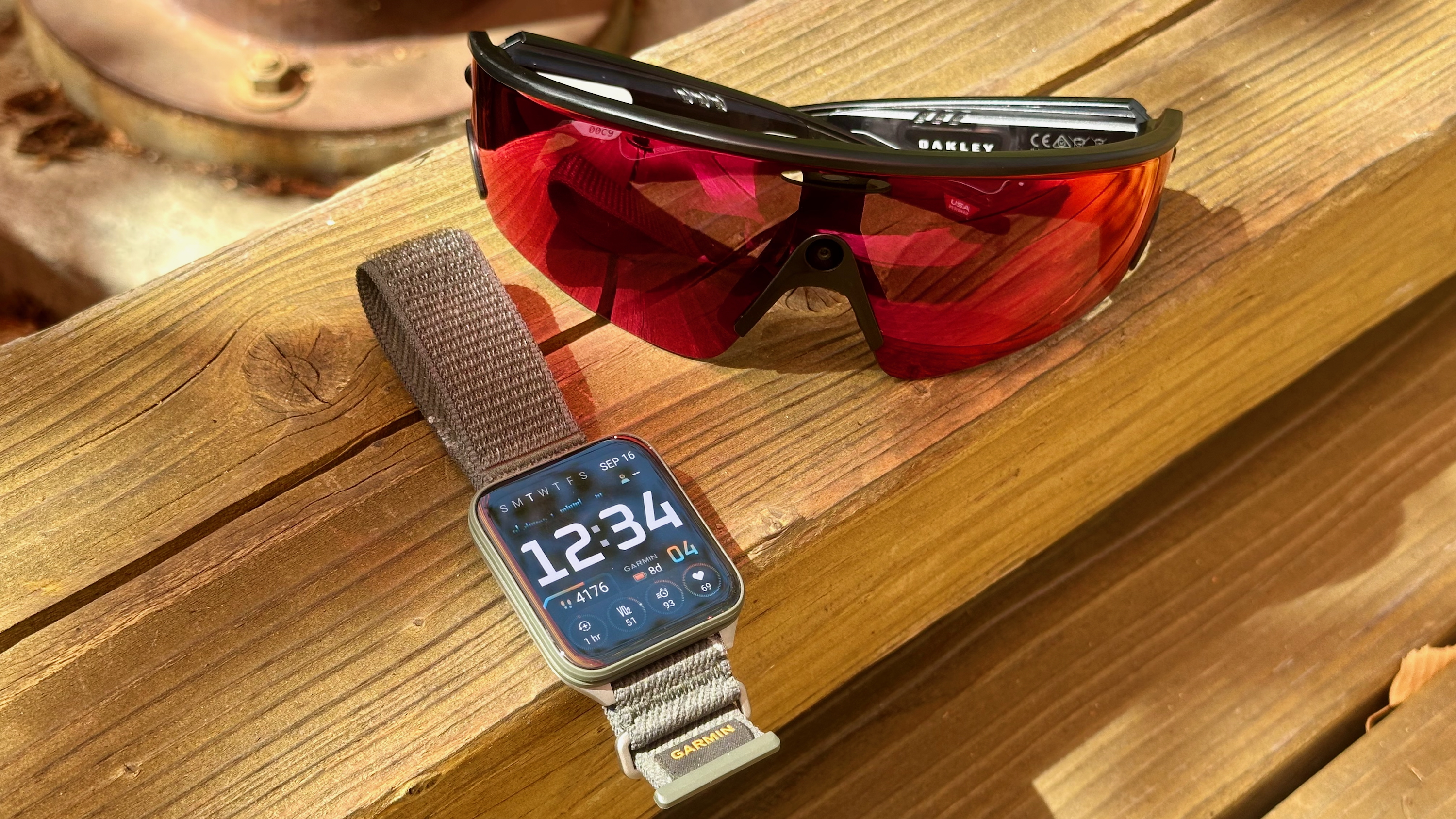
(Image credit: Michael Hicks / Android Central)
This year, Meta glasses added Garmin integration, reading real-time Garmin stats, automatically capturing footage of key workout moments for a shareable montage, and warning you if you’re outside your target HR zone. I’d like Meta and Garmin to keep tag-teaming new features in 2026, and for Meta to open up this feature to more fitness watch brands.
Likewise, we know that Samsung AI glasses with Google software will launch in 2026 and will sync with Wear OS watches for features like gesture shortcuts. Google could easily make Android XR compatible with Fitbit and Samsung Health.
In particular, the Samsung glasses with a HUD could display your real-time workout data, just like the ENGO 2 glasses, for sports like cycling, where you want to keep your eyes forward. And they could use Gemini integration for personalized AI audio coaching, too.
A proper 2026 Fitbit renaissance
(Image credit: Android Central)
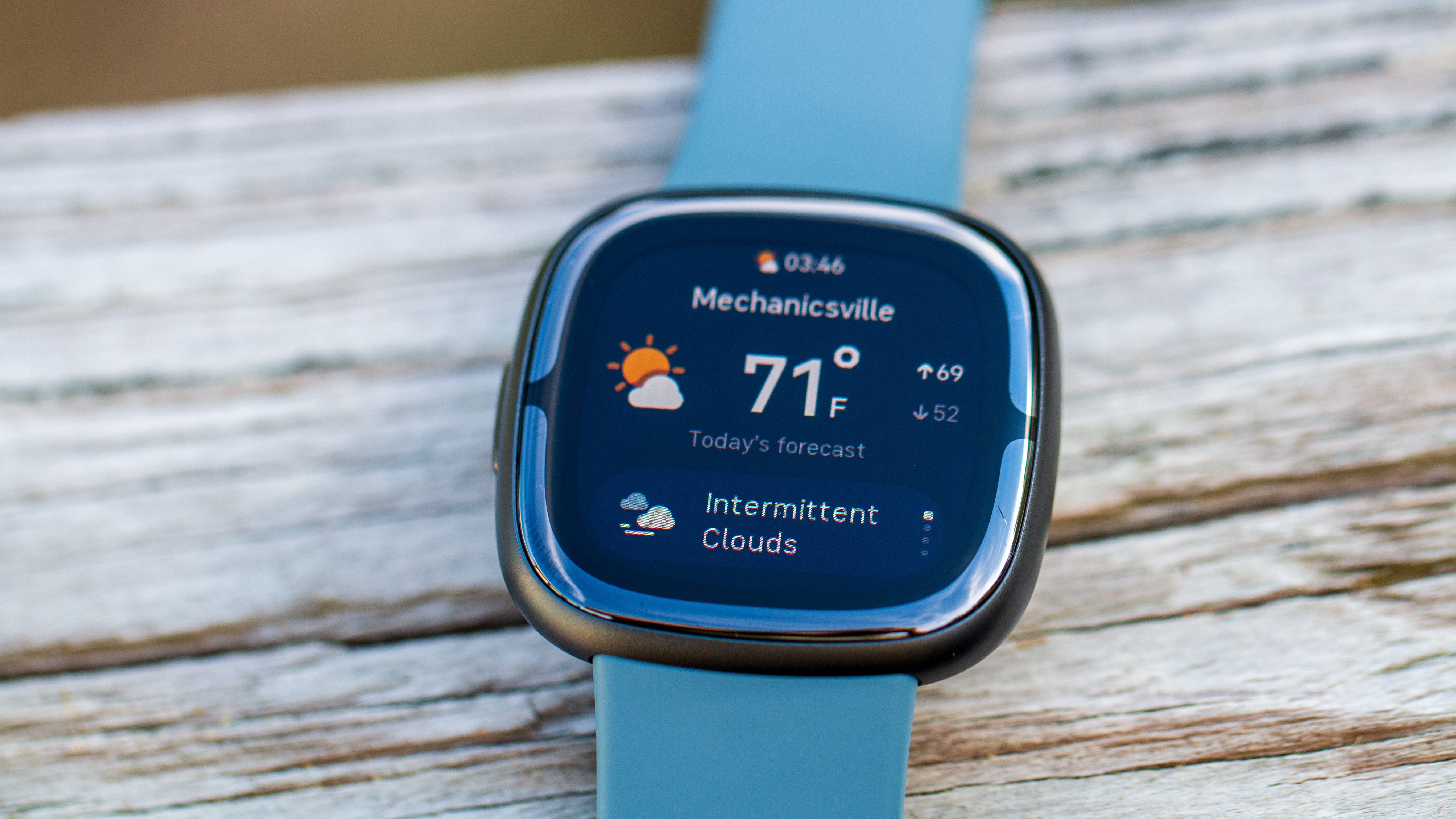
I think that we’re only going to get basic Fitbit trackers in 2026. What I want is a new Sense 3 or Versa 5 — essentially a Pixel Watch 4 Lite.
I want a Fitbit watch with week-long battery life and a lighter, thinner design. But I also want the last few years of Pixel Watch fitness perks to carry over, as dual-band GPS, HR algorithm improvements, and Gemini-made workouts ported from your phone to your watch. A Fitbit Ring would also be nice!
Better fitness watch repairability
(Image credit: Michael Hicks / Android Central)
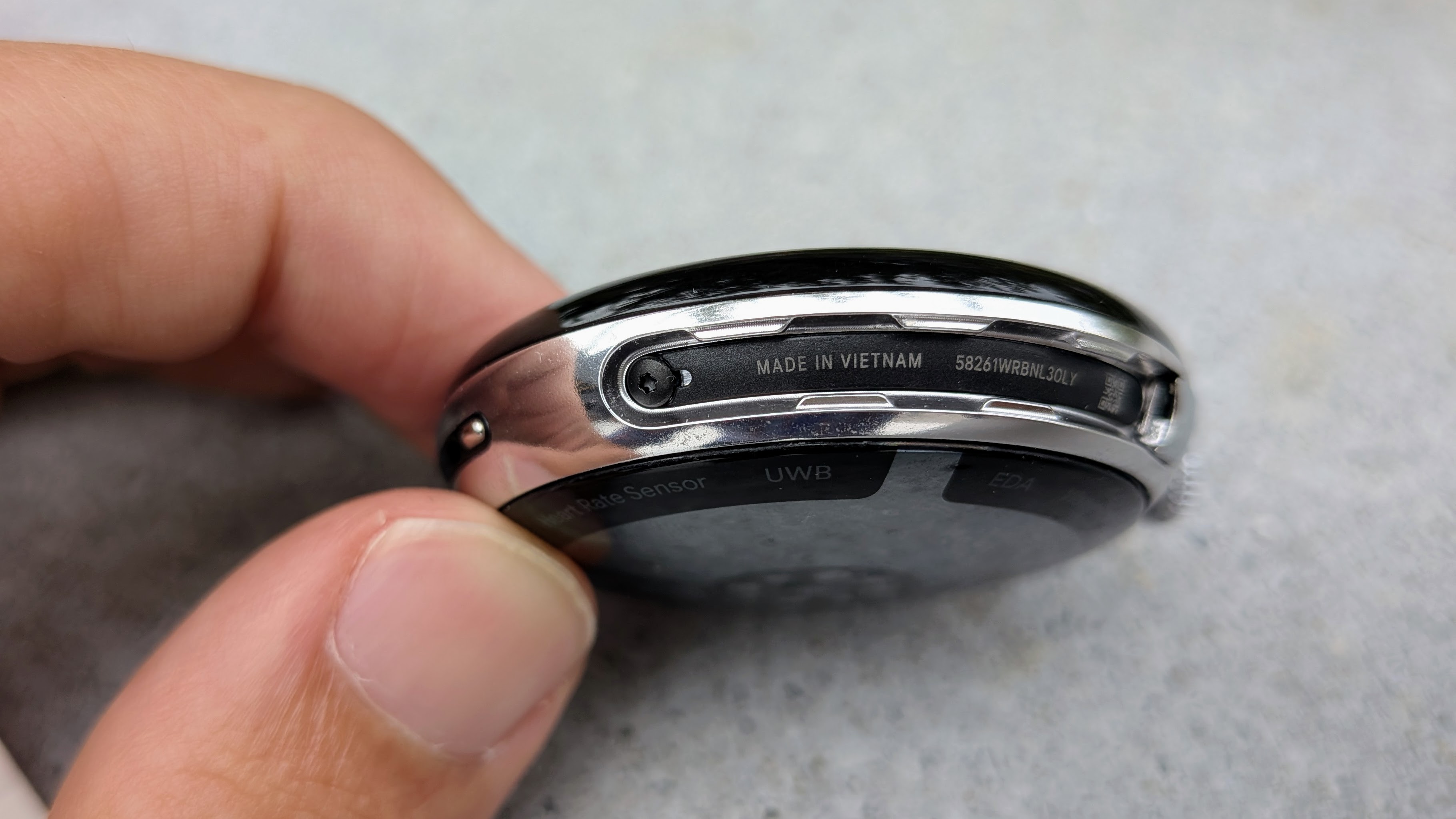
Fitness watches like Garmin’s are known to work for years until the battery gives out, but once something goes wrong, you can’t repair it because their components are glued together, both for water resistance and ease of production. Even if it’s under warranty, companies will just throw your old unit away and send you a new one.
I want more fitness watch brands to emulate Google’s Pixel Watch 4 repairable design. Basically, any layman can follow documentation to take their Pixel Watch 4 apart if they want to swap in a new battery or replace a cracked display. This would let people keep their old watches going far longer, instead of being forced to upgrade.