
“Sky has decided not to pursue a co-exclusive content arrangement as WBD prepares to launch its direct-to-consumer service in New Zealand,” Sky said.
WBD said the direct-to-customer HBO platform would launch in New Zealand in mid-2026 – competing with the likes of Netflix, Disney+, Amazon Prime, Apple TV, Sky TV and, shortly, TVNZ+ (for some sports events) for subscription video on demand (SVOD).
“Following our incredible 2025 launch in Australia – one of the fastest-growing SVODs in Australian history – the entire ANZ team is looking forward to doing it all again with New Zealand later this year,” said WBD Australia and New Zealand managing director Michael Brooks.
“We are well underway with our New Zealand direct-to-consumer launch plans and are looking forward to sharing more details in the coming months.”
Pricing and other details would also be announced later.
The departure of HBO content will be a major blow for Sky, although the pay TV provider was putting on a brave face this morning.
It has been asked whether prices for Neon – a current annual subscription is $239.99 – will drop.
Sky TV chief executive Sophie Moloney.
“We have carried out an extensive review of our content as part of a broader entertainment strategy refresh,” Sky chief executive Sophie Moloney said in a statement that was also released to the NZX.
“As with our sport content, we’ve used a data‑driven approach, so we understand exactly what our customers watch and value across our combined portfolio. That work has led us to a strong conclusion: this is the right decision for Sky’s customers, and for our shareholders.”
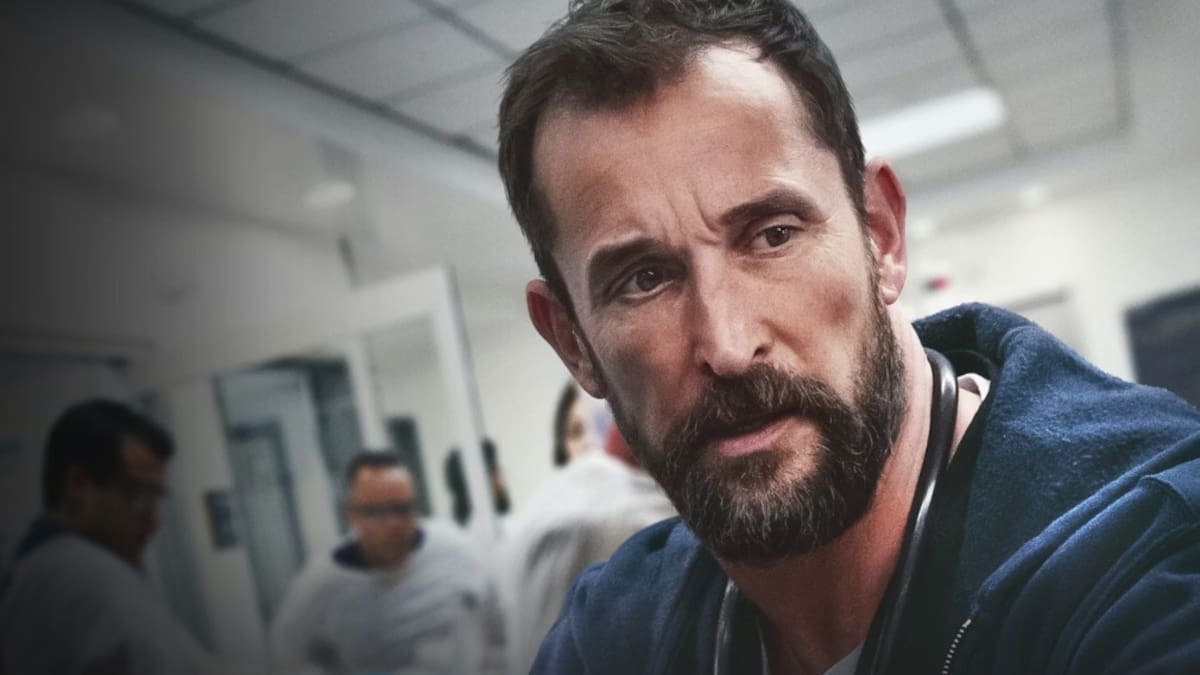
But only in late December Moloney was talking up season two of The Pitt as one of the biggest TV viewing highlights of summer.
Media Insider learned late last year that Sky and WBD were unlikely to renew terms, and that the deal was set to end in mid-2026, but Sky consistently refused to confirm it.
As late as January 29, Sky said it was still in confidential discussions with WBD.
“Warner Brothers Discovery is a really important partner and, when we’ve got something to talk about, [we will],” Moloney told Media Insider in November.
Asked at that time whether she wanted to retain HBO Max content, she said: “It’s all about the data and what the team think makes sense, and [it’s] up to them in terms of what they want to do.”
She added: “There are heaps and heaps of entertainment studios out there.”
Asked at the time whether she knew of any plans to launch HBO Max in New Zealand, Moloney said: “That’s definitely a question for them. We’re not going to speak on their behalf.”
As well as The Pitt and The White Lotus, HBO Max shows include A Knight of the Seven Kingdoms, The Last of Us, House of the Dragon, Euphoria, Succession and True Detective.
WBD’s library of movies includes recent films such as One Battle After Another and Sinners and it also holds access to franchises including the DC Universe, Harry Potter, Lord of the Rings and Game of Thrones.
HBO Max now operates as a direct-to-customer platform in more than 110 countries.
Today Moloney said: “We are focused on delivering a compelling and diverse range of content that we know our customers love, through a broad range of studio partnerships, including Paramount, BBC, Studiocanal and Sony, to name a few.
“We have taken steps to redefine and strengthen our entertainment content pipeline to deliver on our strategic ambitions, including the recently announced expansion of our agreement with Paramount.”
Sky said it had an ongoing partnership with WBD for channel portfolio content, including the Discovery, Discovery Turbo, TLC, ID, Animal Planet and CNN International channels on Sky, as well as a “transitional service agreement” following the acquisition of Discovery NZ (Three) in a $1 debt-free deal last year.
Editor-at-Large Shayne Currie is one of New Zealand’s most experienced senior journalists and media leaders. He has held executive and senior editorial roles at NZME including Managing Editor, NZ Herald Editor and Herald on Sunday Editor and has a small shareholding in NZME.