
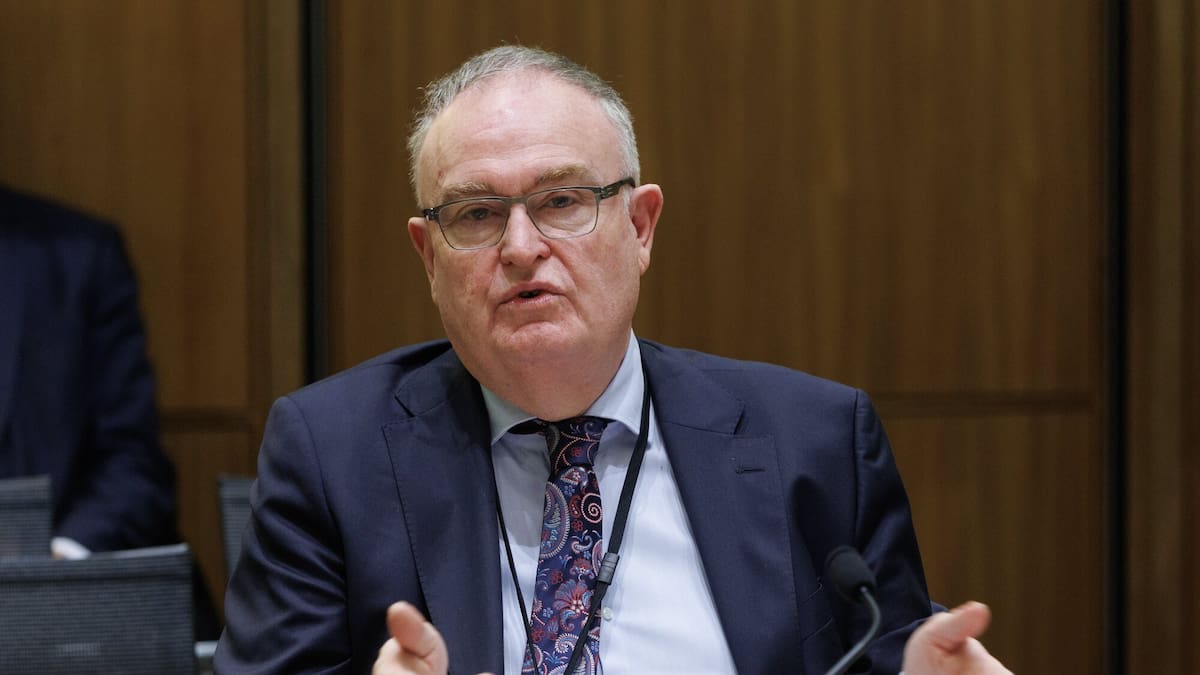
The pinch, in Rennie’s view, is that the Government has less insight into who owns the bonds than it did before the 2008/9 Global Financial Crisis, when banks were the kingpins of the global financial sector.
Today, New Zealand Government Bonds are heavily traded by all sorts of pension and hedge funds, which are more opaque than heavily-regulated banks.
“Who holds the interest rate risk, who holds the exchange rate risk is less clear. We have less good information,” Rennie told the Herald.
“Because the structure of the market is new globally, governments and the big international financial institutions are sort of saying, ‘Well, we don’t quite know how this is all going to work at times of stress or crisis’.”
Rennie believed the upside to various fund managers doing more of the buying and selling of bonds was that this brought more liquidity to the market.
New Zealand Government Bonds are in hot demand around the world and are heavily traded.
Separately to the changing dynamics of bond ownership, Rennie cautioned New Zealand Government Bond yields, or the cost Kiwis pay to service government debt, was heavily influenced by factors outside of New Zealand’s control.
He noted sovereign debt markets were becoming increasingly interconnected.
If investors became concerned about the United States’ ability to repay its debt, or President Donald Trump pressuring the Federal Reserve to lower interest rates to stimulate the economy at the cost of having higher inflation, they could demand a higher rate of return for investing in US Government bonds.
This could, in turn, see them seek higher returns for New Zealand Government Bonds.
Rennie pointed to research the Reserve Bank recently did to show how closely correlated shifts in New Zealand bond rates were to the US market.
“As we have seen recently, the high debt levels of even very large advanced economies have been the subject of increasing concern in markets,” he said.
“These effects can spill over even if we have our house fully in order and heighten the risk premium we pay on our debt as a small economy that relies heavily on an open, rules-based international system …
“Maintaining fiscal space, retaining confidence in the management of our public finances are not abstract objectives. They are practical ways of ensuring New Zealand can absorb shocks that are wholly outside our control.”
In a speech he delivered at a University of Waikato economics conference last week, Rennie repeated Treasury’s view that future governments would need to cut spending, hike taxes, and better manage the country’s assets and liabilities to put the country’s finances on a more sustainable path forward – particularly in the face of an ageing population.
Rennie once again noted the Government’s books were in a “structural” deficit and said it had to prioritise rebuilding its fiscal buffers.
“Since the late 1980s, the fiscal cost of government responses to economic shocks has averaged around 10% of GDP every decade. But the cost of these responses has not been matched by savings between shocks,” he said.
Net core Crown debt has been climbing since the pandemic, reaching 41.8% of GDP in the year to June 2025. According to Treasury’s latest forecasts published in December, debt is expected to peak at 46.9% of GDP in 2028 and 2029, before dropping back.
Finance Minister Nicola Willis had campaigned on turning the debt track around, so it moved below 40% of GDP. Pre-Covid, it was below 20%.
Put to her that debt was still rising under her watch, Willis said: “This is why you should you be scrutinising those who say they will spend more and oppose savings, because it wouldn’t take much to have that debt inexorably rising again.”
The coalition Government is investing a lot in infrastructure. While it has cut spending across the public sector, it has also cut taxes in an attempt to boost economic growth.
Because the books are in the red, the Government is renewing its Covid-era debt, but is paying more interest on this debt than during the pandemic. It is issuing more debt to cover this interest bill, as well as more debt to pay for new initiatives.
In the year to June 2025, the Government’s interest bill hit nearly $9b. It is expected to rise.
Jenée Tibshraeny is the Herald‘s Wellington business editor, based in the parliamentary press gallery. She specialises in government and Reserve Bank policymaking, economics and banking.
Stay ahead with the latest market moves, corporate updates, and economic insights by subscribing to our Business newsletter – your essential weekly round-up of all the business news you need.