
And Denmark is on track to become the first country to tax agricultural pollution after Copenhagen and farmers’ associations agreed in 2024 to impose a carbon price on livestock emissions from 2030.
Yet the board’s reports carry weight. The independent consortium of scientists is tasked by EU law with providing guidance on climate policy; past recommendations have proven influential, with the board’s 2023 advice on setting a 2040 emissions-slashing target of at least 90 percent playing a major role in leading the EU to enshrine this goal in law last week.
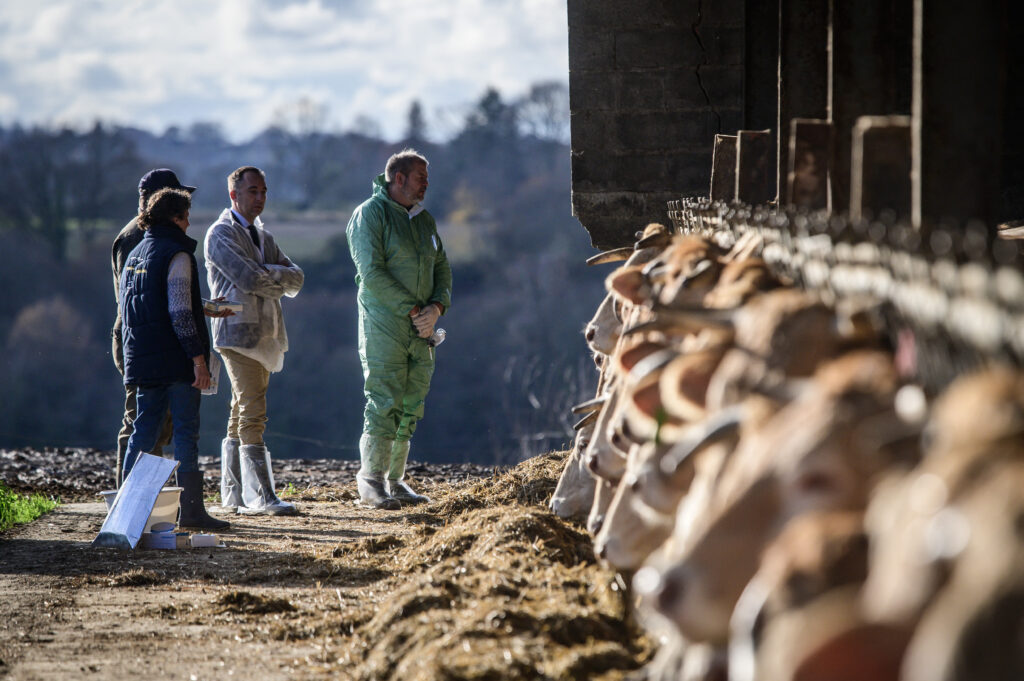 The entire food system, from farming to consumption to waste management, produces 31 percent of the bloc’s emissions. | Quentin Top / Hans Lucas / AFP via Getty Images
The recommendations on agriculture also come just as the EU drafts new policies that could incorporate some of the board’s advice — from the bloc’s next long-term budget and an upcoming revision of the EU farm subsidy program, to a slate of new green legislation designed to meet the new 2040 target, and a plan to increase resilience to climate disasters.
Capping CAP payments
The Common Agriculture Policy (CAP), a behemoth that absorbs around a third of the EU’s budget, is a key target of the report. The current framework contains provisions around climate and biodiversity, but has failed to sufficiently slash greenhouse gas emissions.
The entire food system, from farming to consumption to waste management, produces 31 percent of the bloc’s emissions. More than half of that occurs during food production — think super-polluting methane released by cows as well as fertilizer use, tractor fuel and more.
The CAP, the scientists warn, still incentivizes climate-harming practices through its vast subsidy system. The EU should therefore gradually phase out payments that are tied to livestock production, a type of income support for farmers that consumes 5 percent of the current CAP budget, they say.