
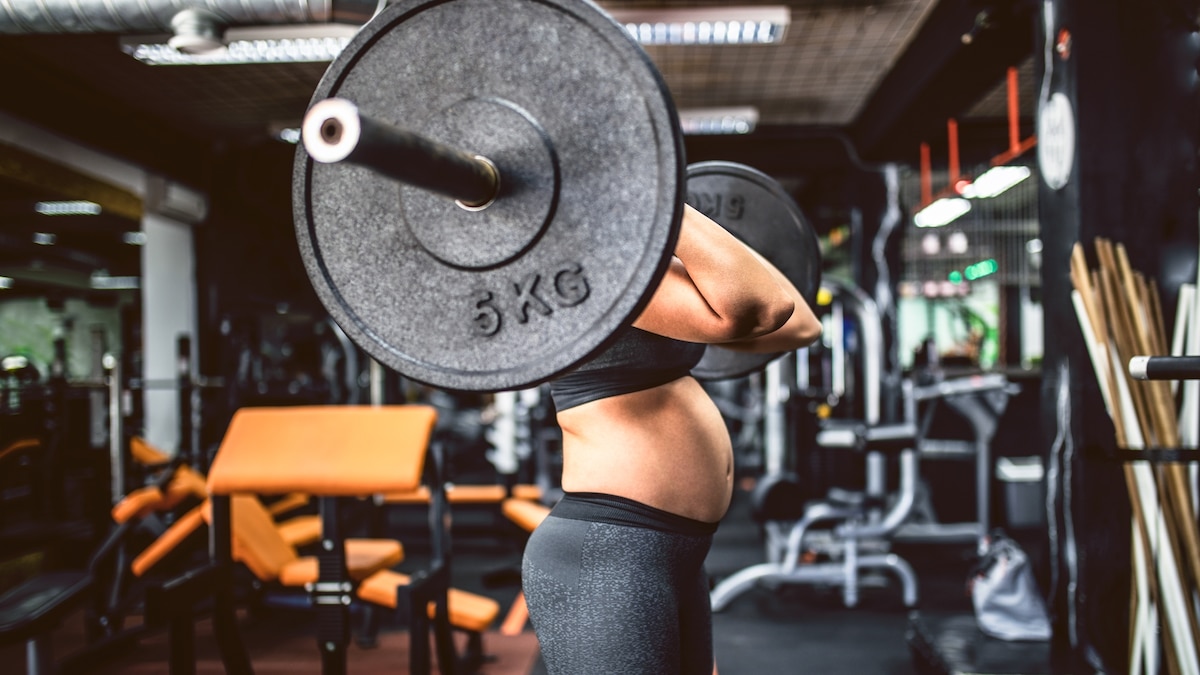
That’s flipping the script for anyone who wants to be active during pregnancy, says Melanie Hayman, an associate professor of health sciences at Central Queensland University who co-authored the Australian Institute of Sport’s 2025 recommendations for pregnant athletes. “It’s no longer about what [pregnant] women shouldn’t be doing, but what women can do,” she says.
Rethinking the limits of prenatal exercise
Across intensity, duration, and strength training, a growing body of research is challenging long-standing assumptions about what the pregnant body can safely handle.

For curious minds of all ages
Subscriptions starting at $39/year
Take the taboo around intense exercise: One 2025 study found that even when participants reached around 90 percent of their max heart rate during a high-intensity interval training (HIIT) workout, there was no evidence of harm to the fetus. Other researchers found that vigorous exercisers had fewer pregnancy complications, such as high blood pressure disorders or gestational diabetes, than those who stuck to light (or no) activity. These benefits may stem from improved cardiovascular function, blood sugar regulation, and placental blood flow.
(Exercise during pregnancy may cut a child’s asthma risk in half.)
Researchers are also revisiting the amount of activity considered safe. Hayman says that some pregnant people do four or more times the recommended 150 minutes of weekly aerobic exercise, and researchers are finding that they’re still just as likely to deliver healthy babies. One 2025 study showed that, among highly active people like marathoners, those who exercised more than 300 minutes a week and longer than an hour at a time in the third trimester actually had reduced odds of delivery complications, including cesarean section.
Strength training is undergoing a similar reassessment. Experts used to advise caution based on data that occupational lifting increases the risk of miscarriage. But Davenport points out that repeatedly lifting heavy objects for hours at a time for work is very different from spending 30 minutes using free weights at the gym, focusing on your form and taking proper rest breaks.
New data reflect that distinction. Recreational weightlifting above 20 pounds is now associated with reduced odds of gestational hypertension and diabetes, mood disorders, and excessive fetal growth. Even lying on your back for lifts like a bench press has been given the green light, despite often-repeated advice not to exercise on your back during pregnancy. Hayman says that while some people might need to modify if, say, they start to get dizzy, there’s no evidence to suggest it’s inherently dangerous.
(No time for daily exercise? Weekend workouts still offer the same health benefits.)
For those who are already active, these findings are easing anxieties that their favorite workouts could be risky. In fact, research increasingly points to the opposite risk: inactivity.
We now know that inactivity is connected to increased odds of pregnancy complications like gestational diabetes and preeclampsia, delivery complications like the need for a cesarean section, prenatal mental health issues like depression and anxiety, and fetal risks like low birth weight and preterm birth.