
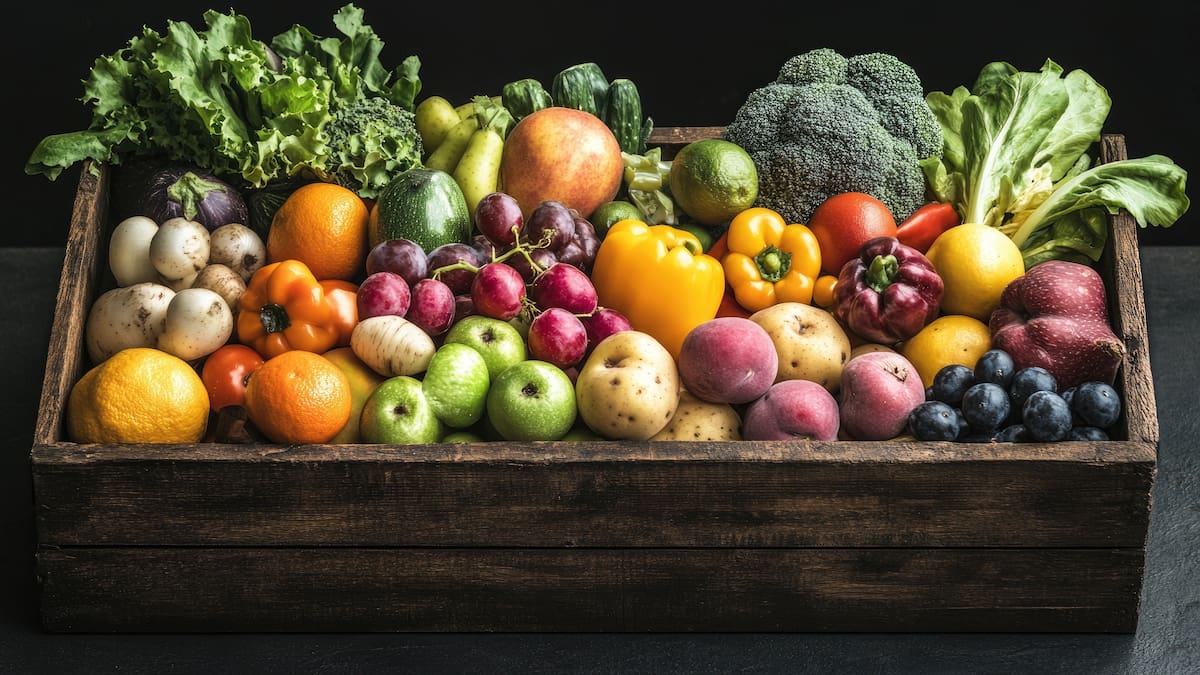
“We’ve had some humid, horrible weather lately. That’s not going to help the shelf life after treatment.
“We don’t know if they’ve been left on trucks, if it’s been left sitting in the back in the sun instead of being put into a cool store … it could be something that’s happened in storage.
“It could be a whole raft of things.”
While maddening, the issue does not appear to be one that many people are prepared to take further.
The Commerce Commission says it has received 10 complaints in the past year about fresh produce going off earlier than expected.
The concerns spanned different supermarkets and brands, it said.
Consumer NZ spokeswoman Jessica Walker said the issue was not one about which it received regular complaints.
Under the Consumer Guarantees Act, a product must be of acceptable quality.
“If a product from a supermarket isn’t acceptable quality, and the supermarket insists on the consumer returning the product … the customer can claim back any additional costs incurred (like petrol) in doing so.”
Foodstuffs, which owns Pak’nSave, New World and Four Square, acknowledged customer concerns.
It said the quality and longevity of fresh produce could be influenced by a range of factors outside a supermarket’s control.
These included heavy rainfall, drought or unseasonal temperature changes. For example, high moisture levels could shorten the shelf life of potatoes, onions and leafy greens.
“We work closely with our growers and suppliers to maintain quality standards.
“However, as fresh produce is not manufactured, natural variability can occur.”
Northern Wairoa Vegetable Growers Association president Doug Nilsson says there can be many reasons why fresh produce spoils quickly.
Foodstuffs encouraged customers to speak with store staff if they experienced any issues.
“We also recommend appropriate storage of fresh produce at home, as correct refrigeration and handling can significantly extend shelf life.”
According to research from Love Food Hate Waste NZ, improper storage is a leading cause of food waste, with $1364 worth of food thrown out of the average Kiwi household each year.
The survey found Gen Z and Gen Y, in particular, struggled with proper storage.
Another study by Love Food Hate Waste NZ and the University of Otago found that storing vegetables in airtight containers or reusable bags “significantly” extended their shelf life compared to leaving them loose in the fridge.
Woolworths fruit and vegetables general manager Ryan McMullen said the supermarket chain was “obsessed” with getting the best-quality produce to customers.
“At the end of the day, poor-quality produce will almost invariably be because of handling and temperature control.
“We work very hard to get it to our customers in the best condition we can.
“We are so confident in the quality of our fruit and vegetables … contact us within 48 hours and we’ll refund your money and replace the item for free.”
Nilsson, a Dargaville kūmara grower, said there was a “pretty robust supply chain from supplier to supermarket”.
“Most growers have good storage facilities these days.
“It’s how people treat vegetables when they get home, too. Do they throw them in the pantry, is it in a cool place or hot, do they leave them in plastic bags, which can sweat?”
How to store fresh produce
Carrots and celery: Store in airtight containers lined with a paper towel.
Pumpkin: Leave whole in a cool pantry, or cut it up, remove the seeds, wrap in cling wrap and refrigerate.
Avocado: Leave the stone in, wrap in beeswax wrap and keep in the fridge.
Salad greens: Wrap in paper towels and place in a ziplock bag.
Potatoes and kūmara: Store in a cool, dry, dark place away from onions.
Bananas: Keep on the counter away from other fruit. Bananas release ethylene gas, which causes surrounding fruit to ripen faster.
Mushrooms: Store in a paper bag in the fridge.
Tomatoes: Store on the counter, not the fridge, to maintain flavour.
Source: Love Food Hate Waste
Jenny Ling is a senior journalist at the Northern Advocate. She has a special interest in covering food, finance, roading, and social issues.