
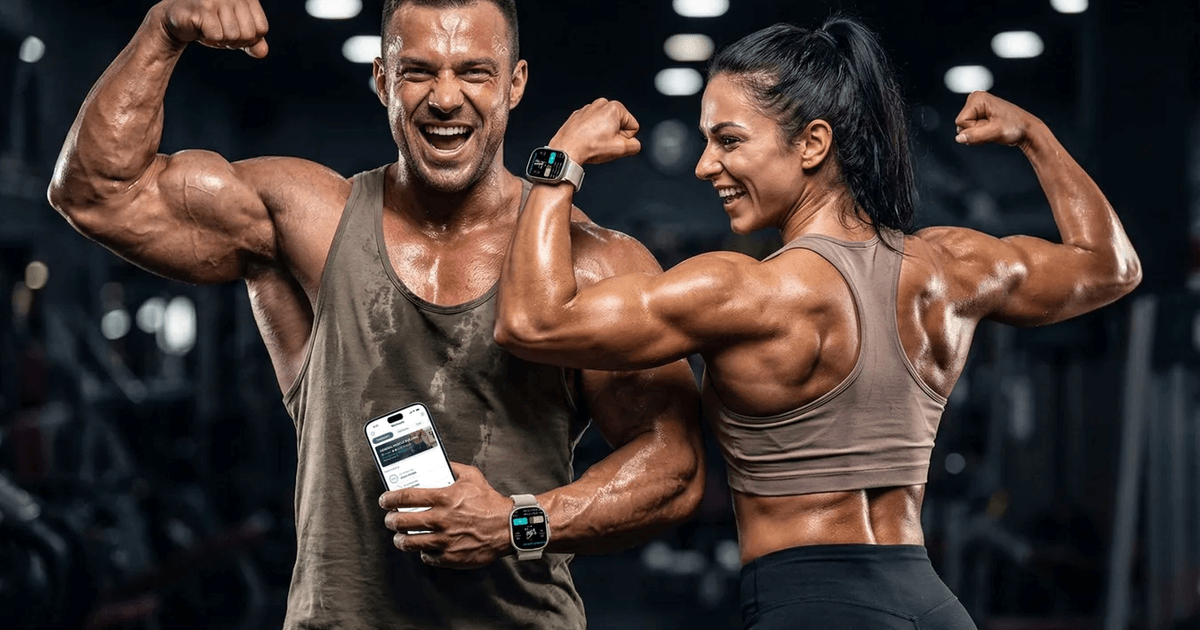
The modern fitness app is no longer just a digital workout log. Over the past few years, it has evolved into something far more powerful—a fully integrated training system that combines structured workouts, artificial intelligence, real-time analytics, and lifestyle guidance into a single platform.
In 2026, the best fitness apps do more than track your activity. They actively shape how you train, how you recover, and how consistently you show up. Whether you are lifting weights, running outdoors, or simply trying to build a routine, these apps are designed to adapt to your habits and improve over time.
This shift reflects a broader reality. Fitness today is less about access and more about personalization. You no longer need a gym or a trainer to build an effective routine. What you need is the right system – one that fits your lifestyle and evolves with your goals.
With that in mind, here is a curated list of the best fitness apps in 2026, each catering to a specific type of user.
AppBest ForPlatformPricingFree TrialFitness OnlineAll-in-one fitnessiOS, AndroidFreemiumYesNike Training ClubFree workoutsiOS, AndroidFreeN/AFitbodStrength trainingiOS, AndroidPaidYesCaliberCoachingiOS, AndroidFreemiumYesHevyGym trackingiOS, AndroidFreemiumYesStrongSimple trackingiOS, AndroidFreemiumYesCentrLifestyle fitnessiOS, AndroidPaidYes
How We Choose
Choosing the best fitness apps requires more than looking at download numbers or feature lists. The real test is how these platforms perform in everyday use.
We evaluated each app across five core areas. Training quality was the foundation, focusing on whether the app offers structured programs or just scattered workouts. Personalization was equally important, especially how well AI or adaptive systems respond to user progress.
User experience also played a major role. A feature-rich app means very little if it is difficult to navigate. We also looked at ecosystem integration, including wearable compatibility, nutrition tracking, and performance analytics. Finally, value was considered, particularly how much functionality is available without a subscription.
The goal was simple: identify apps that people can realistically rely on long term.
Fitness Online – Personal Training, Powered by AI In Your Pocket
Fitness Online
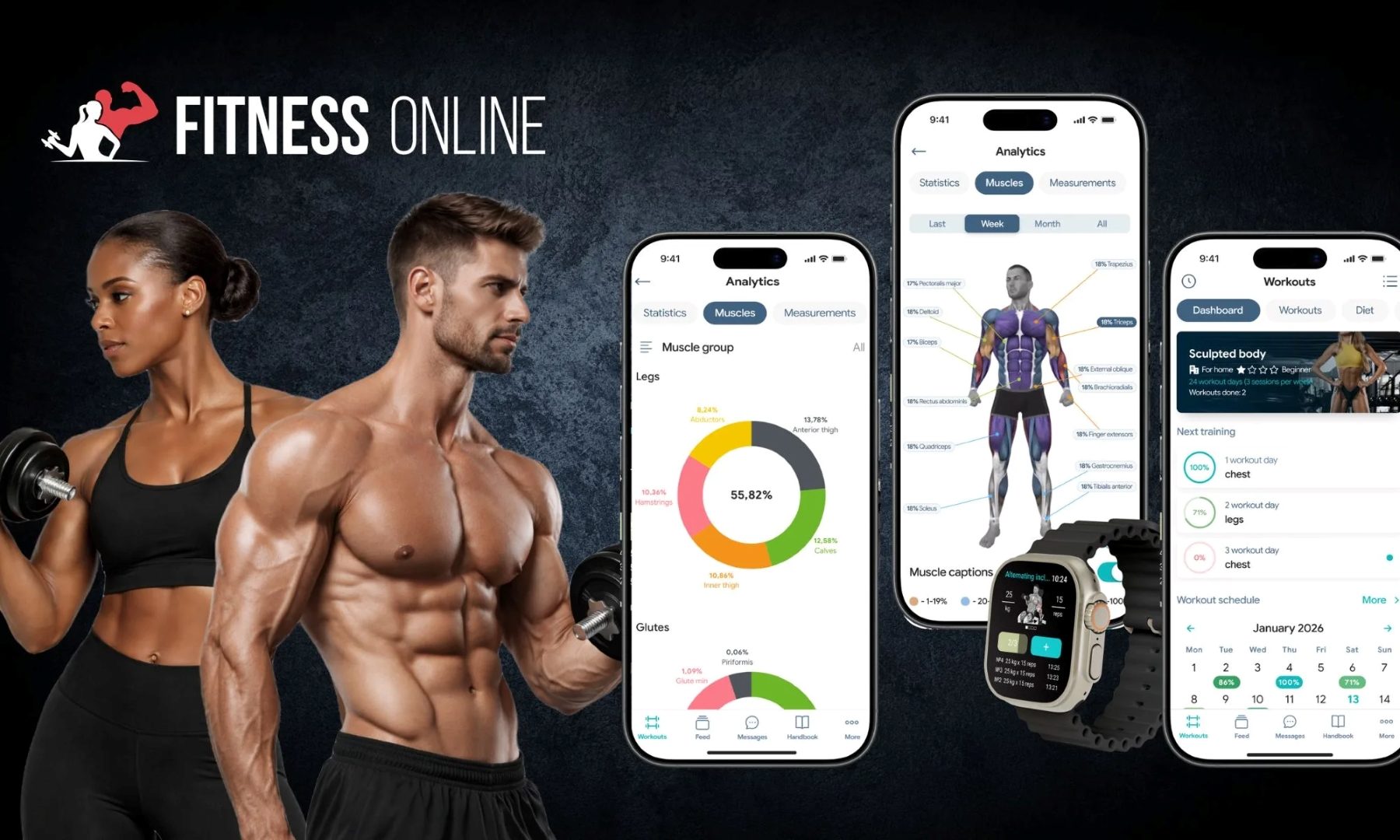
Fitness Online stands out because it goes beyond being a workout app and instead functions as an All-in-One training ecosystem. Its programs are developed by Certified Strength and Conditioning Specialists (CSCS), while nutrition plans are designed by Registered Dietitian Nutritionists (RDN). This creates a foundation that is structured, reliable, and grounded in real expertise.
The most distinctive feature is its conversational AI assistant. Unlike many AI tools that feel experimental, this one serves a clear practical purpose: it provides 24/7 support with in-app navigation, feature discovery, account and payment issues, and general training and nutrition questions. In doing so, it helps streamline the experience, reduce friction, and support consistency across the broader ecosystem.
The app also includes more than 850 exercises, each supported by high-fidelity 3D muscle visualizations and a “Right vs Wrong” form correction system. This split-screen format contrasts correct and incorrect techniques side by side, providing clear visual guidance that helps users – from beginners to advanced athletes – self- correct, refine their biomechanics, and reduce the risk of injury.
On the analytics side, Fitness Online offers advanced performance tracking, including metrics such as workout volume, muscle distribution, heart rate, calories burned, and more. Combined with a genuine, phone-free standalone Apple Watch workflow, goal-oriented, localized, macro-adaptive nutrition plans with over 10,000 recipes and multiple food alternatives, an in-app social sports feed, and a structured in-app knowledge hub, it becomes a complete ecosystem rather than just a tool. Crucially, even after the premium trial ends, users retain ‘free forever’ access to the extensive exercise library and the fully customizable workout builder, establishing it as a lasting digital training companion.
For users who want comprehensive training support in their daily workouts – or work alongside an AI-powered companion, this is one of the most comprehensive options available.
ProsConsUseful conversational 24/7 AI-powered training
companionCan feel overwhelming for beginnersExpert-backed programs (CSCS + RDN)Standalone Apple Watch mode for phone-free workoutsAdvanced analytics and trackingStrong 3D visual guidance (form correction)
Nike Training Club

Nike
Nike Training Club remains one of the most accessible fitness apps, especially for users who want high-quality workouts without committing to a subscription.
The app offers a wide range of guided sessions across strength training, yoga, mobility, and cardio. These workouts are designed by professional trainers, ensuring consistency and structure.
Its biggest strength is simplicity. The interface is clean, the workouts are easy to follow, and many sessions require little to no equipment. For beginners, this removes much of the friction associated with starting a fitness routine.
It may not have the advanced analytics of other apps, but for accessibility and reliability, it remains one of the best starting points.
ProsConsCompletely freeLimited personalizationBeginner-friendly interfaceNo advanced analyticsHigh-quality guided workoutsNot ideal for long-term progressionMinimal equipment required
Fitbod
Fitbod
Fitbod is designed for users who spend most of their time in the gym.
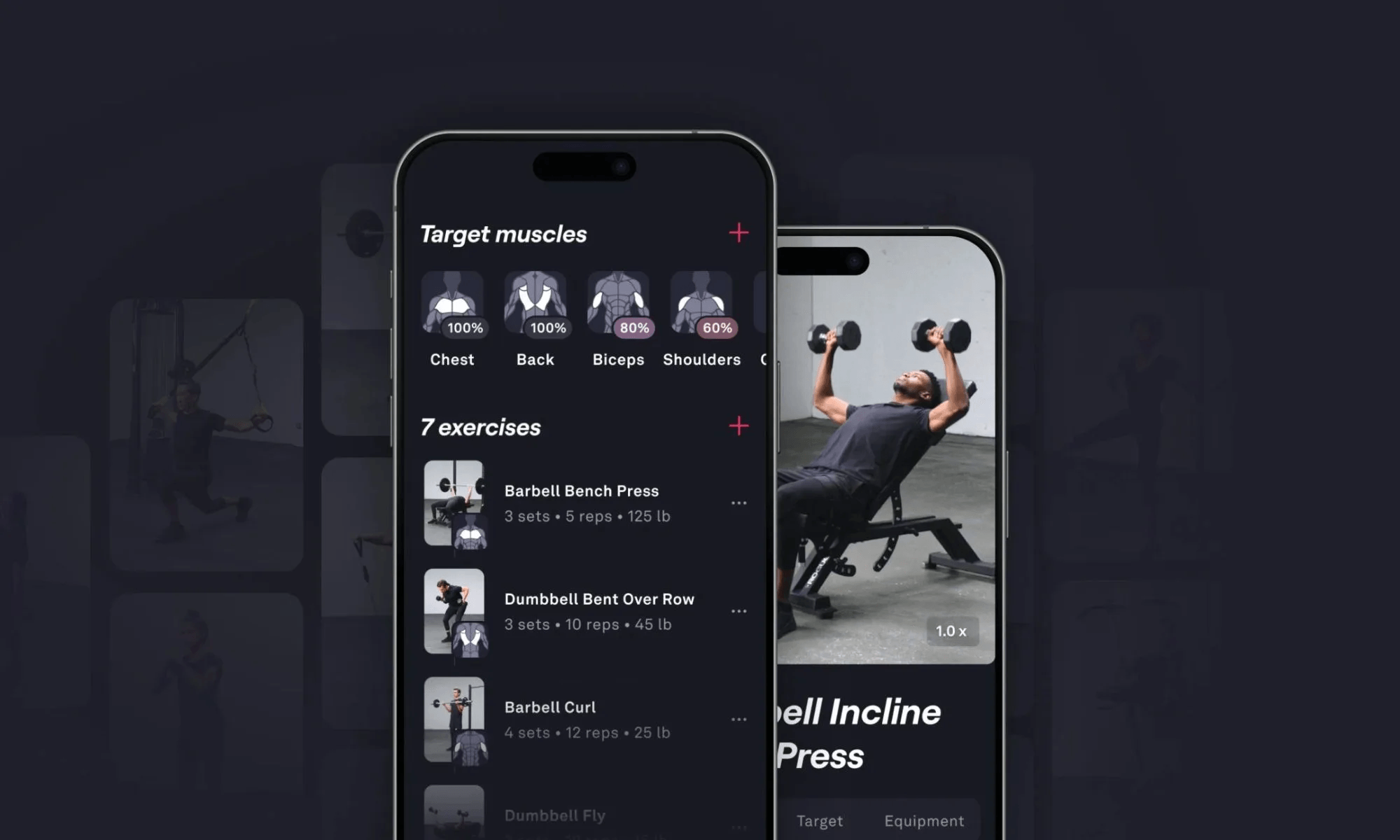
The app uses AI to generate personalized workout plans based on your goals, available equipment, and training history. It continuously adapts based on performance and recovery, ensuring balanced programming over time.
This approach helps users avoid overtraining while still making consistent progress.
For anyone serious about strength training, Fitbod offers a level of structure that feels close to having a personal coach.
ProsConsAI-driven personalized workoutsRequires consistent inputAdapts to recovery and performanceSubscription neededGreat for gym usersNot ideal for casual usersPrevents overtraining
Caliber

Calib
Caliber takes a coaching-first approach to fitness. Instead of relying entirely on automation, the app offers structured strength training programs with the option to work with real human coaches. This hybrid model provides both guidance and accountability.
It is particularly useful for users who struggle with consistency or need long-term direction rather than short-term results.
ProsConsHybrid coaching (AI + human coaches)Coaching can be expensiveStrong accountabilityLess appealing for self-guided usersGood for long-term consistencyLimited advanced analytics
Hevy
Hevy
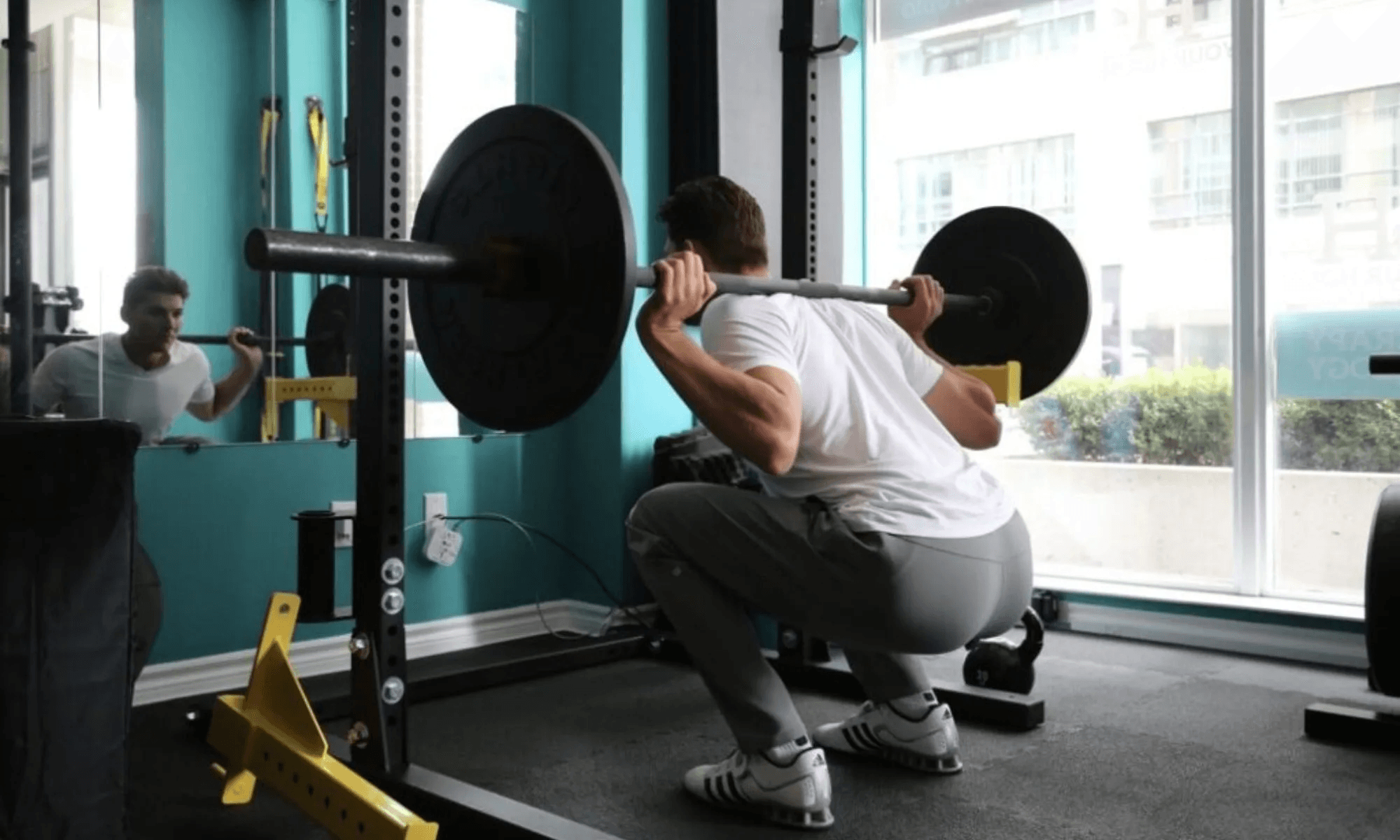
Hevy is one of the most popular workout tracking apps built for lifters who want a clean, no-nonsense experience. It focuses heavily on strength training, allowing users to log exercises, sets, reps, and weights with minimal friction.
The interface is intuitive, making it easy to follow structured routines or build your own programs from scratch. One of Hevy’s standout features is its social component – you can share workouts, follow friends, and stay motivated through a community-driven feed.
The app also offers detailed progress tracking, including personal records and visual graphs, helping users stay consistent and measure improvements over time. Hevy supports a wide range of exercises and allows customization, making it suitable for both beginners and advanced lifters. While it doesn’t overload users with unnecessary features, it delivers exactly what strength-focused individuals need – clarity, speed, and reliable tracking for every session.
ProsConsClean and fast workout trackingNo AI coachingStrong social/community featuresRequires self-planningDetailed progress trackingOnly focused on strength trainingHighly customizable
Strong
Strong
Strong is a powerful gym tracking app designed for users who want precision and structure in their workouts. Known for its clean design and fast logging system, Strong makes it easy to record sets, reps, and weights without interrupting your flow during a session.
The app comes with a built-in library of exercises and also allows users to create custom movements and routines. One of its key strengths is its analytics—Strong provides detailed insights into your progress, including volume tracking, one-rep max estimates, and workout history.
This makes it especially useful for those following progressive overload or structured training programs. The app also supports rest timers and plate calculators, adding practical value during workouts. While it leans more toward serious lifters, beginners can also benefit from its simplicity and guided structure, making it a versatile choice for consistent gym tracking.
ProsConsFast and efficient loggingNo AI or adaptive trainingDetailed analytics (volume, 1RM)Limited beginner guidanceUseful tools (timers, plate calculator)Gym-focused onlyStructured workout support
Centr

Cen
Centr takes a broader approach by combining fitness, nutrition, and mental wellness into a single platform.
Founded with a lifestyle-first philosophy, the app offers structured workout programs alongside meal plans and mindfulness content. It is designed for users who want balance rather than specialization.
This makes it particularly appealing for those who view fitness as part of a larger lifestyle rather than a standalone activity.
ProsConsHolistic approach (fitness + wellness)Not specialized for strength trainingIncludes nutrition and mindfulnessCan feel generic for advanced usersLifestyle-focused contentSubscription requiredBalanced fitness approach
Comparison Summary
When comparing these apps, the biggest divide is between ecosystem-based platforms and single-purpose tools.
Apps like Fitness Online and Centr aim to replace multiple tools by combining workouts, nutrition, and coaching. In contrast, apps like Strong and Hevy focus on doing one thing exceptionally well – tracking workouts.
Similarly, AI-driven apps such as Fitbod prioritize adaptability, while platforms like Nike Training Club emphasize guided experiences.
The right choice ultimately depends on whether you value simplicity, structure, or personalization.
FAQ
What Is The Best Fitness App Overall?
Fitness Online is one of the best all-in-one options, as it combines workouts, nutrition, AI guidance, and analytics in a single platform.
What Is The Best Free Fitness App?
Nike Training Club remains the best free option, offering high-quality workouts without requiring a subscription.
Which App Is Best For Strength Training?
Fitbod is the strongest choice for strength training due to its AI-driven workout planning and recovery tracking.
Are Fitness Apps Worth Paying For?
Yes, if you need structure, personalization, and long-term progression. Paid apps typically offer better coaching, analytics, and adaptive features.
Which Fitness App Is Best For Beginners?
Nike Training Club is ideal for beginners due to its simplicity and guided approach.
Can Fitness Apps Replace Personal Trainers?
In many cases, yes. Apps like Fitness Online and Caliber offer structured programs and coaching that can replicate much of what a trainer provides, though human coaching still has advantages for accountability.
Why Fitness Apps Matter More Than Ever
Fitness apps have become essential because they eliminate friction. You no longer need to plan everything manually or rely on external resources. These apps provide structure, guidance, and flexibility in a way that fits modern life.
More importantly, they help solve the biggest challenge in fitness: consistency. By combining data, coaching, and motivation, they make it easier to stay on track over time.
Choosing The Right Fitness App
The right fitness app depends entirely on your goals.
If you want an all-in-one system, Fitness Online offers the most comprehensive experience. For guided workouts, Nike Training Club is a strong option. Strength-focused users will benefit most from Fitbod, Hevy, or Strong, while those looking for a more holistic approach may prefer Centr.
Understanding how you train is more important than chasing features.
The Future Of Fitness Apps
The next phase of fitness apps will focus on predictive coaching. With advancements in AI and wearable technology, apps will soon anticipate fatigue, adjust workouts in real time, and provide deeper insights into performance and recovery.
This shift is redefining how people approach fitness.
Final Thoughts
The best fitness apps in 2026 are not just tools – they are systems built to help you succeed.
They guide your training, track your progress, and adapt as you improve. Whether you are just starting out or optimizing performance, the right app can transform your entire approach to fitness.
Because ultimately, it is not about doing more. It is about doing what works – and doing it consistently.