
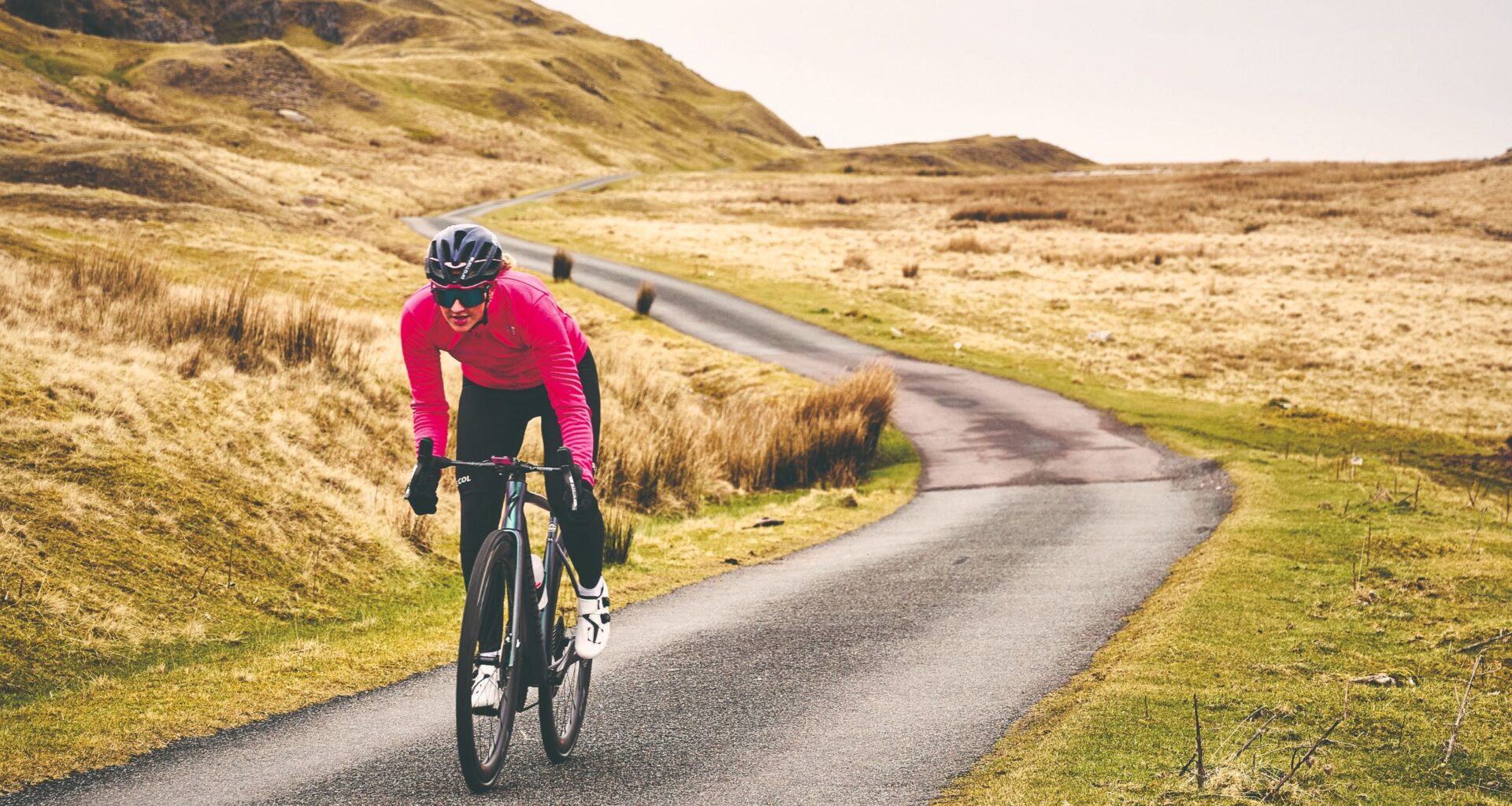
For generations of cyclists, the bathroom scales have held an outsized authority. Weight has been framed as destiny: lighter equals faster, and ‘race weight’ is the holy grail. Professional cycling has given us a steady stream of featherweight heroes to look up to. But strip away the mythology and a more nuanced truth emerges, especially for amateurs, masters riders, and anyone who isn’t chasing GC success in a Grand Tour.
Striking the balance between low weight and an optimal amount of muscle isn’t easy, but it is essential, as muscle provides power and durability in the saddle, aids recovery, and supports long-term health off the bike. In a sporting culture obsessed with rapid weight loss – from fasting protocols to appetite-suppressing drugs – cyclists need to be aware that if they want to lose weight, they need to do so cautiously so as to protect muscle.
Race-weight myths
For generations of cyclists, the bathroom scales have held an outsized authority
(Image credit: Future)
The concept of ‘race weight’ works for elite climbers racing hour-long ascents at the limits of human physiology. But most cyclists, riding sportives, time trials, Audaxes, ultra-distance challenges or club runs, require sustained power and fatigue resistance. “On the flat, reducing body weight has very little, if any, impact on performance,” says Alan McCubbin, a senior lecturer in the department of nutrition and dietetics at Monash University, Australia. “And if that weight loss includes some loss of muscle, which it usually does, then power can be reduced, impairing performance.”
Latest Videos From
You may like
This goes against a deep cultural pull in cycling, McCubbin concedes. Many riders desire to “look like a cyclist”, idolising skinny climbers and GC winners, even if that means fighting their body’s natural shape and size. “Some people will always have a naturally lighter build and lower body fat, just as some people have green eyes, others brown eyes,” he says. “Genetics matter.”
Crucially, lighter does not always mean faster – even for the pros. “Muscle mass matters for power, and power really matters for shorter, punchy climbs,” adds McCubbin. “Look at the Classics like the Tour of Flanders or Amstel Gold. These races are often won by bigger riders with more muscle who are never in contention for stage wins on long mountain climbs.” Only on long climbs does power-to-weight hold the trump card, which is why the skinniest riders often have the highest profile. The rise of fasting, meal skipping and appetite-suppressing drugs has made rapid weight loss much more common.
McCubbin suggests this has made losing weight an even greater risk to performance: “The rate of weight loss is important in relation to the degree of calorie deficit required. The larger the calorie deficit, the less likely training is fuelled optimally, and the less likely you are to get through sessions as planned.” The more rapidly you lose weight, the more likely you are to lose muscle. Under-fuelled training also makes it harder to recover properly, McCubbin explains. Muscle adaptations are held back and injury risk is increased. Even if the power-to-weight ratio improves slightly, absolute power – critical for sprints, attacks, and long, sustained efforts – is likely to decline.
Lose weight, not muscle: the key numbers 500 kcal/day recommended maximum calorie deficit to promote fat loss while minimising muscle loss and performance decline1.6-2.2 g/kg/day optimal daily protein intake for cyclists aiming to preserve muscle during weight loss2 strength sessions/week level of resistance training to maintain lean mass and neuromuscular performance during calorie restriction20-40 grams amount of protein that should be consumed shortly after training to stimulate muscle repair and retention60-90 grams intake of carbs per hour during intense or long sessions to maintain training quality and protect muscle30% proportion of weight lost as lean mass during aggressive dieting without strength training or adequate proteinLose fat, not muscle
In cyclists, muscle is too often regarded as unhelpful bulk, but it underpins power, resilience, and recovery. When you go on a weight loss diet, you lose both fat mass and fat-free mass – a proportion of which is muscle. “In a calorie deficit, the body is trying to cover training and basic physiology with less incoming energy,” explains Professor Stuart Phillips, research chair of skeletal muscle health in the department of kinesiology at McMaster University, Canada.
“Some of the mass lost is fat – that’s the goal – but without a strong ‘keep muscle’ stimulus the body can also draw on lean tissue, and early losses can include glycogen and associated water.” The risk rises as the deficit becomes more aggressive and key sessions are not properly fuelled with carbohydrate, or when training becomes mostly endurance volume without high-force work. When a rider restricts calories to below their daily expenditure, biology takes over and muscle is broken down.
Maintaining muscle mass does not guarantee maintaining performance, cautions Phillips. “FTP is mainly protected by keeping training quality high and recovery adequate,” he says. “If riders diet through threshold or VO2 work and chronically under-fuel for intense sessions, performance can drift down even if lean mass is reasonably preserved.” A better approach, he explains, is to periodise intake: fuel the hard sessions, taking on carbohydrate before and during them, and then create the weekly deficit by trimming discretionary calories on easier and rest days.
Those losing weight should not avoid strength work, as the body is able to increase strength without adding significantly more muscle mass. “Resistance training matters here,” says Phillips. “Two short strength sessions per week are often enough to provide a strong anabolic/neuromuscular signal to retain muscle and strength while dieting, without needing to add a lot of gym volume.”
What to read next
He warns that, while the basic principles are the same for both men and women, female riders should be especially cautious about prolonged low energy availability. “If fatigue, sleep, mood, recurrent niggles or menstrual disruption show up, the plan needs adjusting quickly.”
Keep lifting
(Image credit: Ronny Jansson)
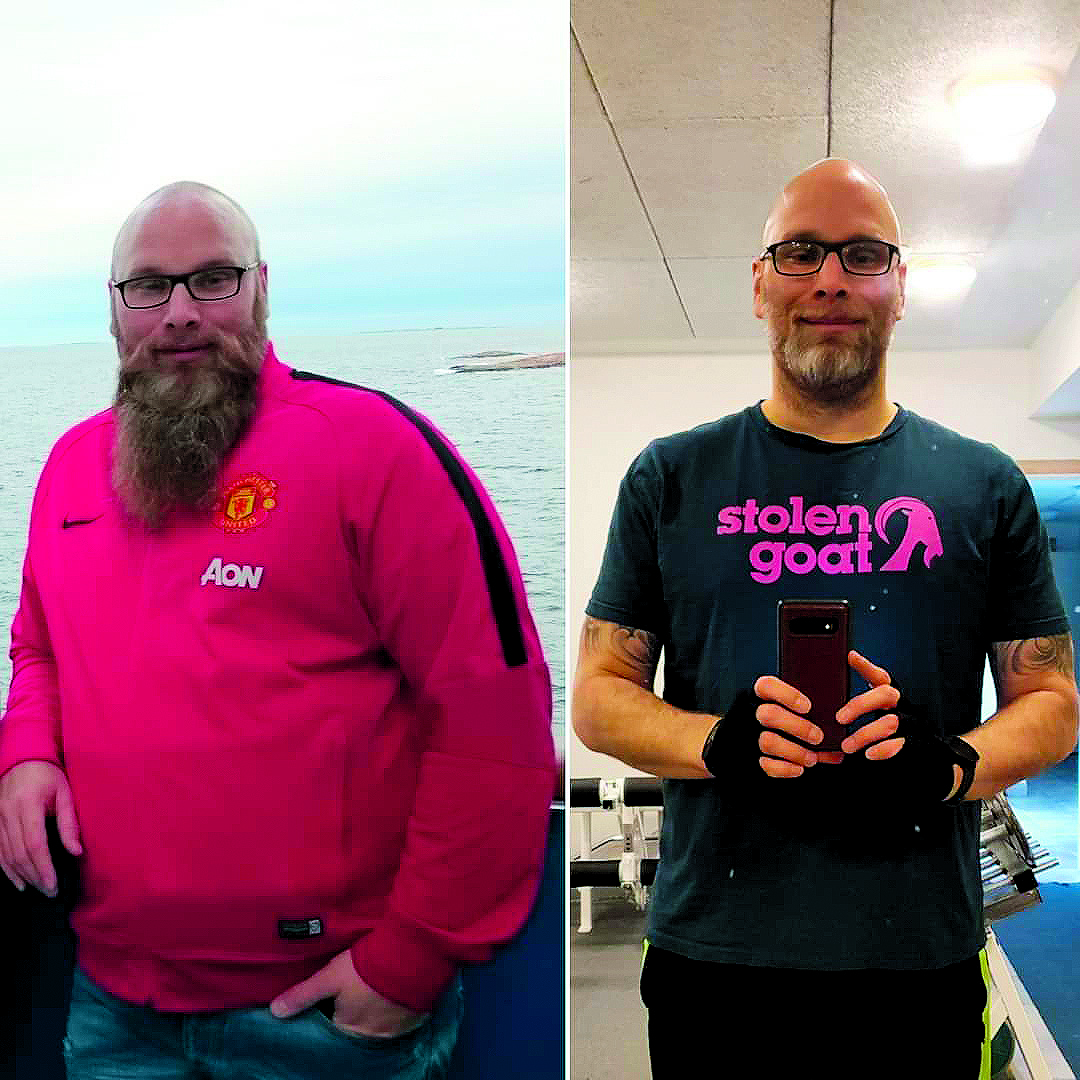
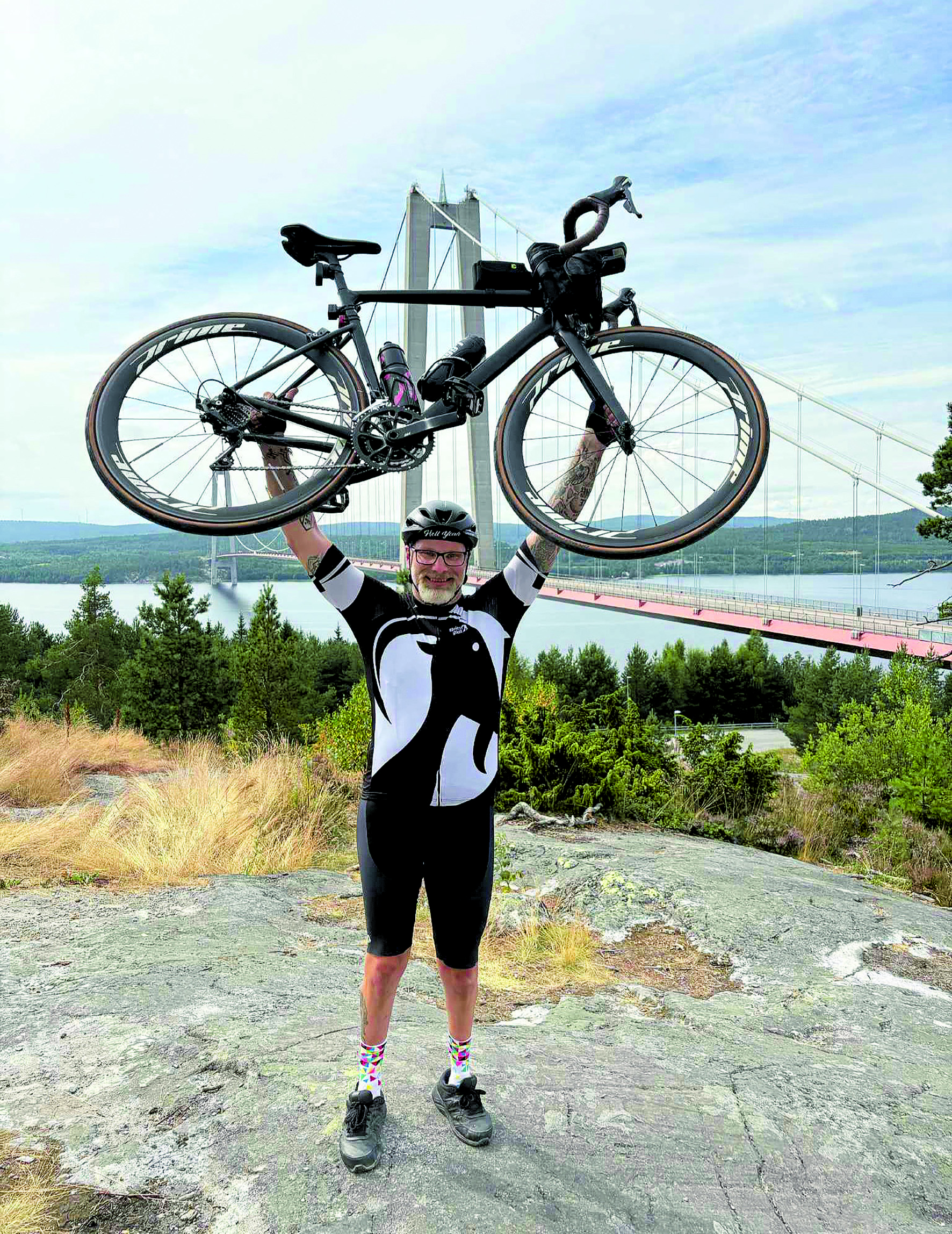
Ronny Jansson is one such rider who appreciates the importance of strength training. Now 48 and living in Alunda, Sweden, Jansson started cycling 10 years ago. At the time, he weighed 121kg. “My first ride was only 7km,” he recalls, “but it wasn’t long before the rides became 40 or 50km.” Cycling transformed his life. Within a year, simply by cycling several times a week and eating a little better, he had lost 31kg.
(Image credit: Ronny Jansson)
Take the CW reader survey

(Image credit: Future)
We know that like us you love riding your bike, but habits, technology, circumstances and life changes all around us. So our riding changes too. That’s why we want to know more about where, when and why you ride, and how CW can help you with that. Take a few minutes to fill in our reader survey and tell us what you love, like and don’t like about CW in all it’s forms. Complete the survey and you’ll be in with a chance of winning some fantastic prizes. The survey closes at the end of May.
Jansson was born with clubfoot – feet curved into an unusual position – and has undergone 24 surgeries. Walking, standing and running had always been painful. Weight gain, he says, was hard to avoid. Since losing weight, keeping it off has been a challenge during the Swedish winter. “There’s snow, extreme cold, and much less time on the roads,” he says.
Whenever his riding volume dropped, the weight crept back on. Eventually, he found a solution – lifting weights. “At first I did three sessions [of strength training] a week,” Jansson says. “Mostly free weights, some machines. I can’t do everything because of my feet – deadlifts, for example [are impossible] – so I adapt.” This winter he upped the ante to four or five sessions a week, complementing seven to 10 hours of riding during peak season. In 2024, he rode 6,666km – almost 300 hours.
The difference wasn’t just visible. It was functional. “I feel so much better in my body,” he says. “I don’t get nearly as tired as before.” That became obvious during his solo endurance challenges. Jansson regularly rides 24-hour events to raise money for charity. Last summer, he rode 480km in 27 hours. “Compared to previous years, I noticed the difference straight away,” he says.
“No problems with my back or shoulders. I felt much stronger.” Today, Jansson weighs around 96kg – much lighter than before, but more importantly, he is stronger and the strength work hasn’t led to weight gain. His focus is no longer chasing a number. “It’s about building a body that can handle riding,” he says.
Time-limited approach
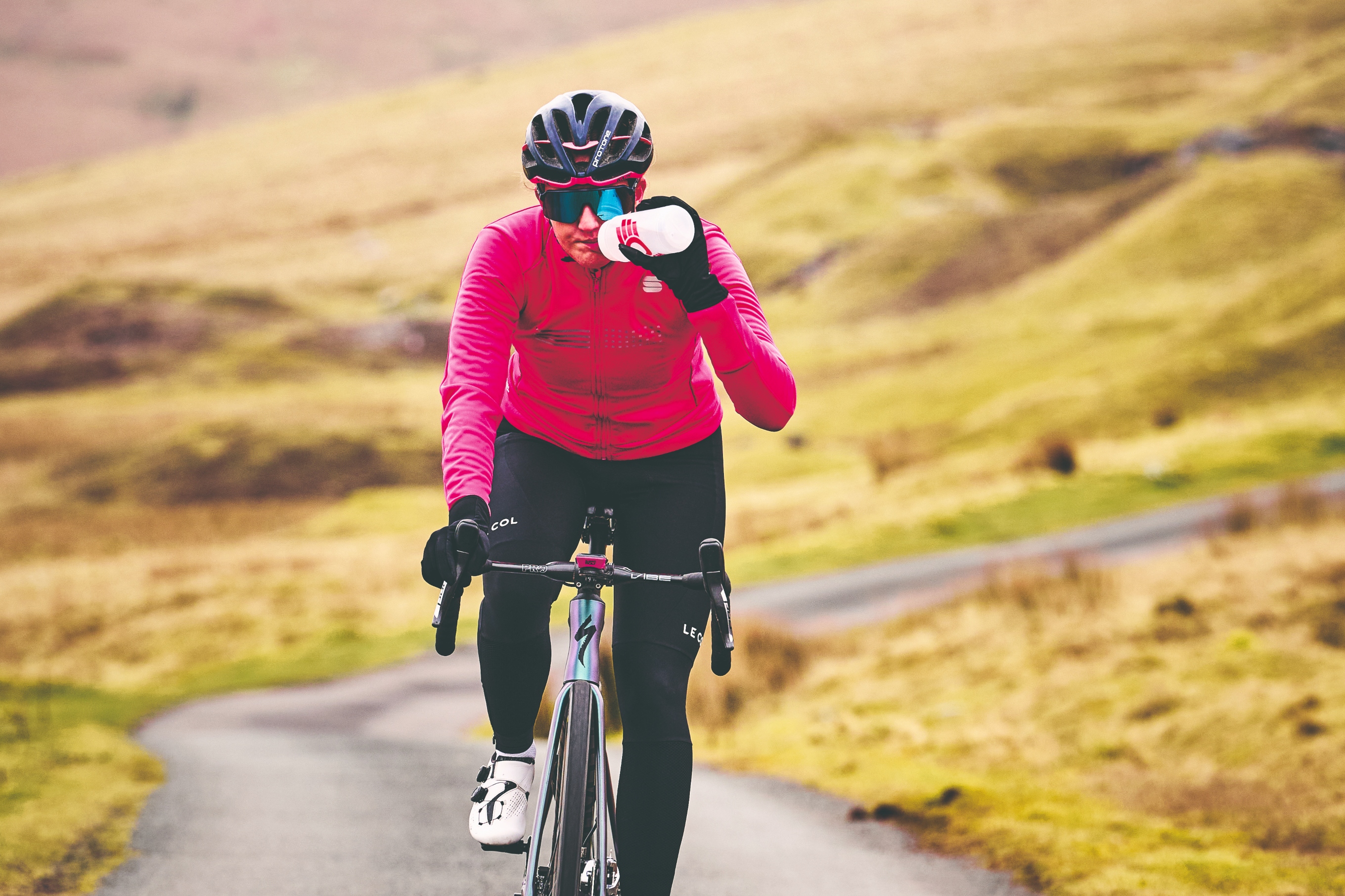
Fuelling rides properly is essential to progress
(Image credit: Philip Barker for Future)
Across the Atlantic, USA Cycling certified coach Will Kirousis (tri-hard. com) has witnessed many amateur riders pay the price of weight fixation. “People hear ‘race weight’ and think there’s a magic number. Often, they just keep eating less, and performance and health both suffer. You’re better off slightly heavier and consistent than a little too light and unable to train,” he says. The practice, he adds, has now taken on a pharmaceutical dimension. “I’ve had a handful of athletes using GLP-1s [weight loss drugs Ozempic, Wegovy and Mounjaro] while training for cycling and triathlon,” he says.
Kirousis stresses that the cultural narrative is often exaggerated. While marketing around weight loss drugs promises dramatic transformations, most committed athletes aren’t chasing overnight results. “The ones focused on health and performance over the long haul are usually fine with slower change.” Where problems arise is when large training loads meet suppressed appetite. “The biggest challenge is fuelling,” Kirousis says. “Trying to do high training volume when you don’t feel like eating is really hard. If you can’t fuel or recover, you can’t progress.”
His solution mirrors the growing consensus: treat weight loss as a time-limited phase, not a constant background process. Athletes starting medication are encouraged to begin in the off-season, learn how their body responds, and adjust expectations before chasing performance goals. “Work, it needs fuel,” Kirousis says. “If you try to do lots of work with less energy coming in, the body will fuel that with your own tissue.”
Keep it gradual
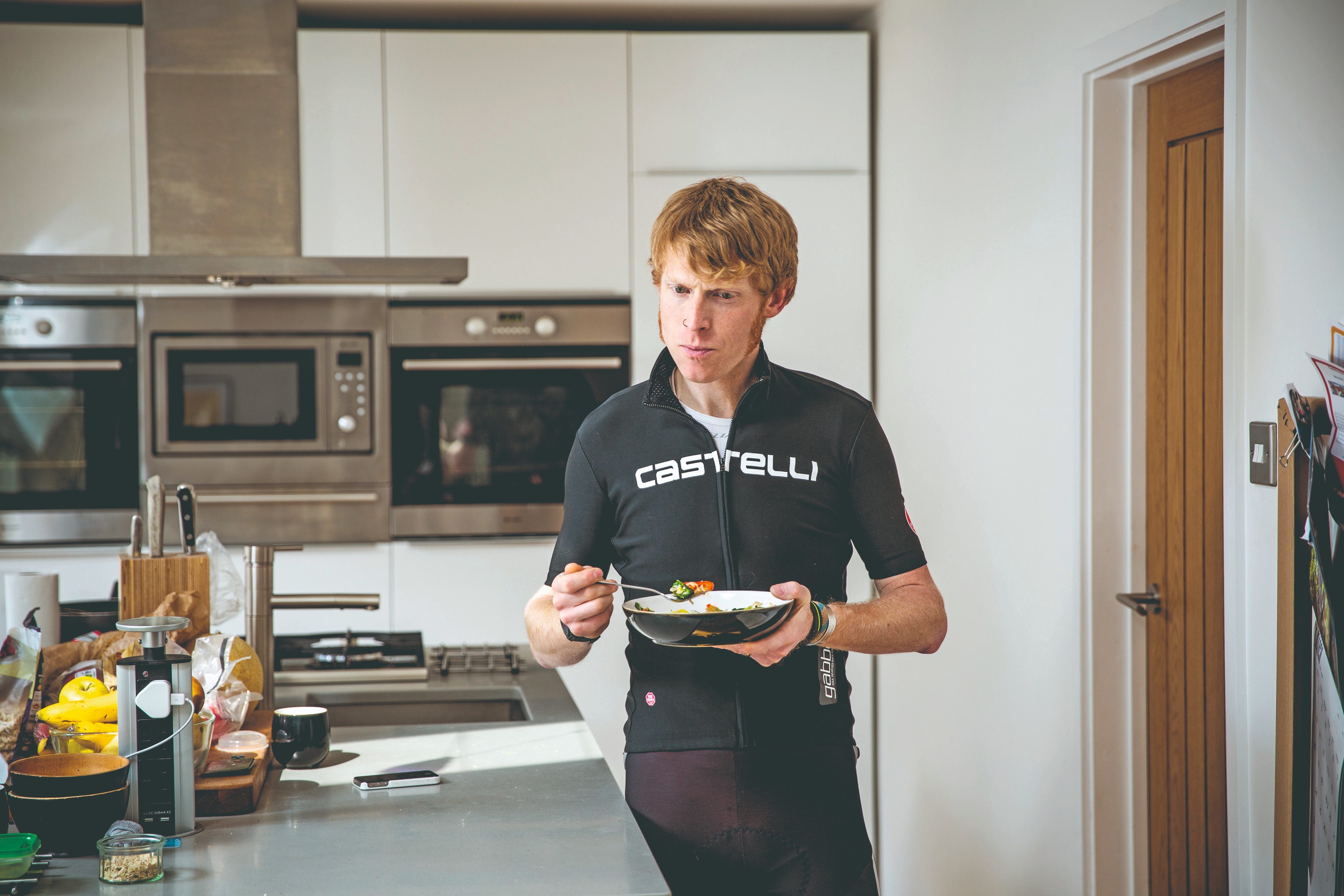
Protein intake should be prioritised during a fat-loss phase
(Image credit: Daniel Gould for Future)
If you want to lose weight without sacrificing performance, there are some “non-negotiables” in Phillips’s view. “Keep the calorie deficit modest – around 500kcal per day on average – and think in weekly terms,” he says. “Aim for slow, steady loss rather than rapid drops. The more aggressive the deficit, the greater the risk to training quality, recovery and lean mass.”
Protein intake is equally critical. “Consume at least 1.6g/kg/day, and often 1.8-2.2g/kg/day during a fat-loss phase,” Phillips advises. “Spread it across the day, ensure each meal contains a meaningful amount, and include 30–40g after training.” Just as important is fuelling key sessions. “Don’t try to diet through your hardest workouts,” he says. “Take on carbohydrates before and during intense sessions, and prioritise a proper post-training meal to support recovery.”
In terms of maintaining strength, riders should “train muscles with two brief resistance sessions per week,” Phillips continues. “Keep them consistent, heavy enough to matter, and not so high-volume that they get in the way of riding.” He suggests riders monitor performance and recovery, not just weight. “If power at a given effort is slipping, perceived exertion is climbing, or sleep and mood are worsening, adjust quickly. Fat loss can only be deemed successful if you can keep training productively.”
Problems arise when weight loss becomes the primary goal, rather than performance and well-being. Obsessing over the scales brings pressure, under-fuelling, and loss of enjoyment. McCubbin advises a broader view: “Focus on building a body that works well on and off the bike. Performance comes from consistency, not chasing numbers.” Perhaps the case of Ronny Jansson sums it all up best: some strength training, coupled with careful, focused and longer-haul weight management, is the key to balance. “My body feels better than ever,” says Jansson. “That’s what matters.” How good you feel is the real metric of success – it’s not about how little you weigh, but how well your body works.