

Your support helps us to tell the story
From reproductive rights to climate change to Big Tech, The Independent is on the ground when the story is developing. Whether it’s investigating the financials of Elon Musk’s pro-Trump PAC or producing our latest documentary, ‘The A Word’, which shines a light on the American women fighting for reproductive rights, we know how important it is to parse out the facts from the messaging.
At such a critical moment in US history, we need reporters on the ground. Your donation allows us to keep sending journalists to speak to both sides of the story.
The Independent is trusted by Americans across the entire political spectrum. And unlike many other quality news outlets, we choose not to lock Americans out of our reporting and analysis with paywalls. We believe quality journalism should be available to everyone, paid for by those who can afford it.
Your support makes all the difference.Read more
Enjoying the arts may be as vital as exercise in slowing the ageing process, new research suggests.
Academics behind the study propose that arts and cultural engagement should be “recognised as a health-promoting behaviour in a similar way to exercise”.
Researchers found a variety of activities beneficial, including reading, listening to music, or visiting a gallery or museum.
This is likely because each activity offers distinct physical, cognitive, emotional, or social stimulation.
Previous work has shown arts engagement can lower stress, reduce inflammation, and improve heart disease risk. The study, led by University College London (UCL) academics, examined biological markers of ageing in DNA.
Specific sites in DNA that regulate gene expression, known as DNA methylation, were examined as markers of ageing.
As the years go by, methylation patterns shift, forming the basis for what scientists term “epigenetic clocks”.
The study, published in the journal Innovation In Aging, saw academics examine seven of these epigenetic clocks.
Researchers looked at survey responses and blood test data from 3,556 UK adults.
They compared people’s engagements with arts and culture to chemical changes in the DNA.
They found that people who engaged with such activities more often, and had a broader range of cultural activities, appeared to have a slower pace of ageing and a younger biological age.
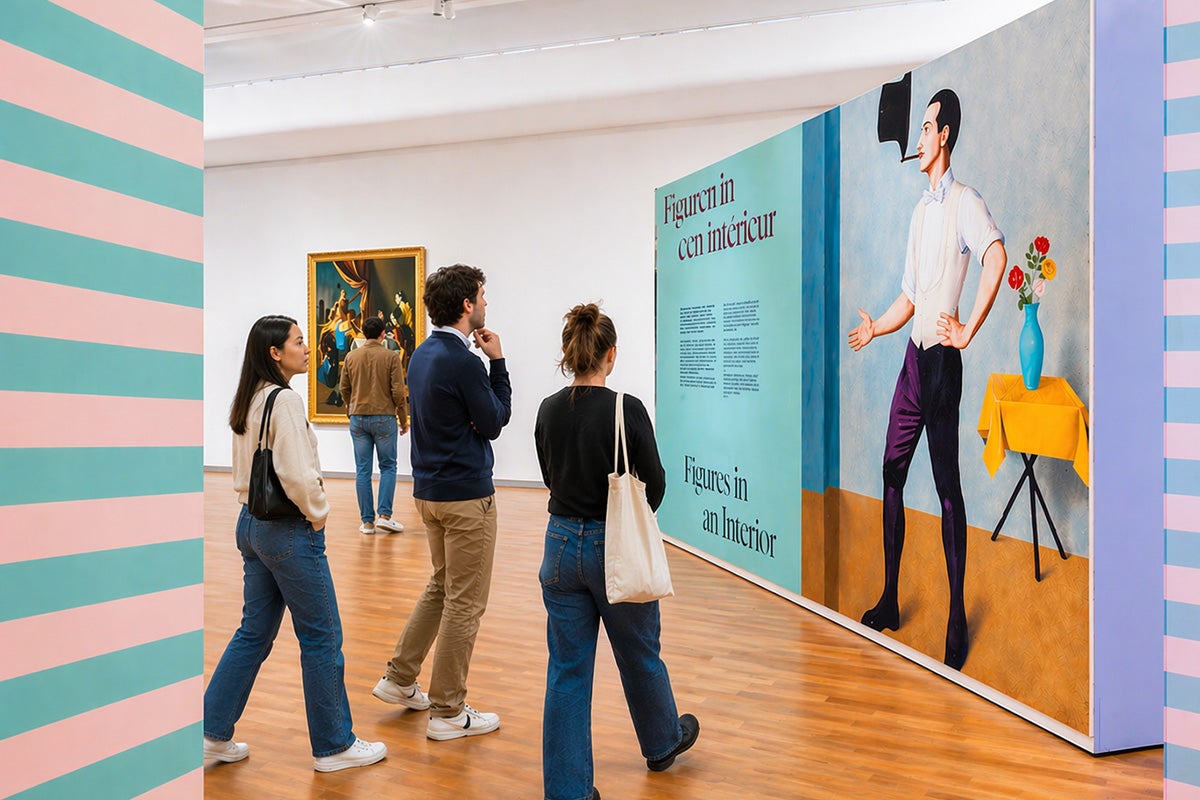 Researchers looked at survey responses and blood test data from 3,556 UK adults (Museum More)
And they said these changes are comparable with the changes linked to exercise – those who took part an arts activity at least once a week appeared to age up to 4% more slowly than those who rarely engaged with the arts.
This was the same as those who exercised at least once a week compared with those who did no physical activity.
After studying one of the “clocks”, researchers said that doing an arts activity at least three times a year was linked to ageing 2% more slowly, monthly engagement was linked to 3% slower ageing, and weekly activity to a 4% slower ageing rate, compared with those who engaged with arts fewer than three times a year.
And after examining data on another of these clocks, researchers found that people who engaged in arts and cultural activities at least weekly were a year younger on average compared with those who rarely engaged.
“These results demonstrate the health impact of the arts at a biological level,” said lead author Professor Daisy Fancourt, from UCL’s Institute of Epidemiology and Health Care.
“They provide evidence for arts and cultural engagement to be recognised as a health-promoting behaviour in a similar way to exercise.
“Our study also suggests that engaging in a variety of arts activities may be helpful.
“This may be because each activity has different ‘ingredients’ that help health, such as physical, cognitive, emotional or social stimulation.”
Senior author Dr Feifei Bu added: “Our study provides the first evidence that arts and cultural engagement is linked to a slower pace of biological ageing.
“This builds on a growing body of evidence about the health impact of the arts, with arts activities being shown to reduce stress, lower inflammation and improve cardiovascular disease risk, just as exercise is known to do.”