
These days, with emerging studies on its health benefits, one might wonder what can’t magnesium do for us? From lowering type 2 diabetes risk and blood pressure levels to preventing cardiovascular disease and supporting brain health, magnesium is proving itself to be a super food in its own right. Specialist dietician and heart health expert Michelle Routhenstein points out that magnesium can also help ease PMS symptoms like migraines.
“It’s typically not difficult to get enough magnesium if you are eating a well-balanced, varied diet, but if you have a limited diet or a condition that limits your ability to absorb nutrients properly, you may be at risk for deficiency, and you may need to consider a magnesium supplement,” says Elizabeth Moore, a nutrition expert at Beth Israel’s Hospital’s Center for Nutritional Health in the US.
It’s also important to note that magnesium doesn’t work alone. One of magnesium’s friends is vitamin D, which helps to increase intestinal absorption of magnesium. Similarly, magnesium is necessary to maximise absorption of calcium. Routhenstein also points out the importance of magnesium for potassium absorption. “Potassium plays a key role in regulating blood pressure and supporting healthy muscle function.”
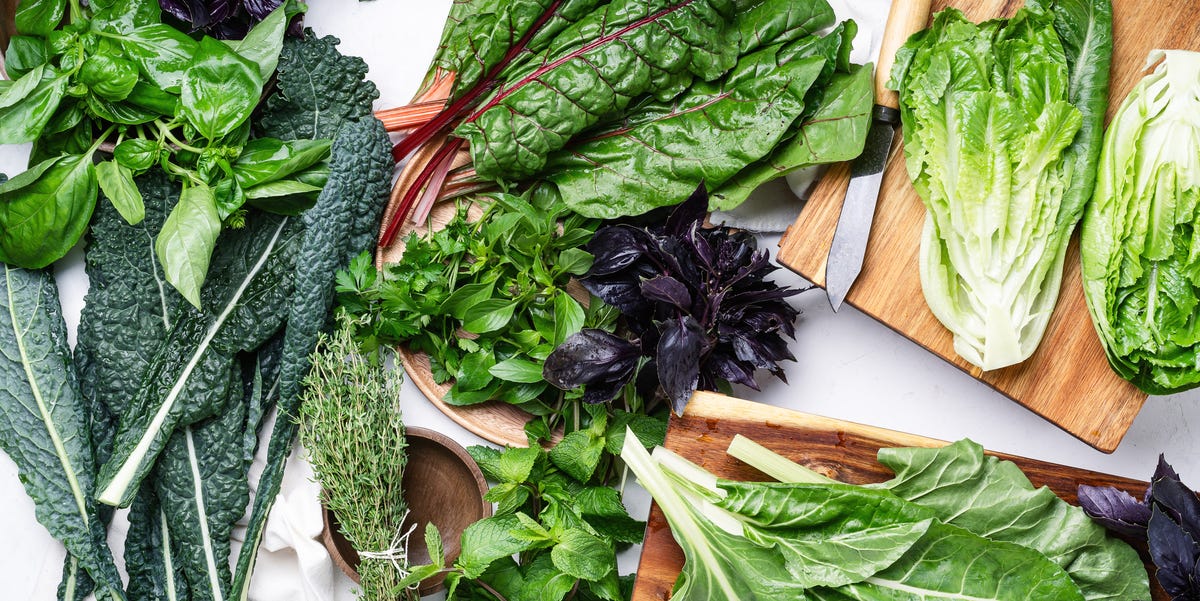
In order to maintain the well-balanced diet that promotes healthy magnesium levels, Moore suggests focusing on leafy green vegetables as well as the other magnesium-rich foods like whole grains, legumes, nuts and seeds and fortified foods. Moore likes to think of it as “focusing on different colours to maximise the variety of nutrients we get from them!” One of her favourite meals to include is a grain bowl with a nutrient-dense base like quinoa or buckwheat and rotate a variety of magnesium-rich vegetables, beans, nuts and seeds. “Making it a little different each time helps make sure you don’t get tired of the same foods and meals each day,” she explains.
Here’s a list of vegetables with the highest levels of magnesium that can be a great (and delicious) addition to your diet:
 Chard
Chard
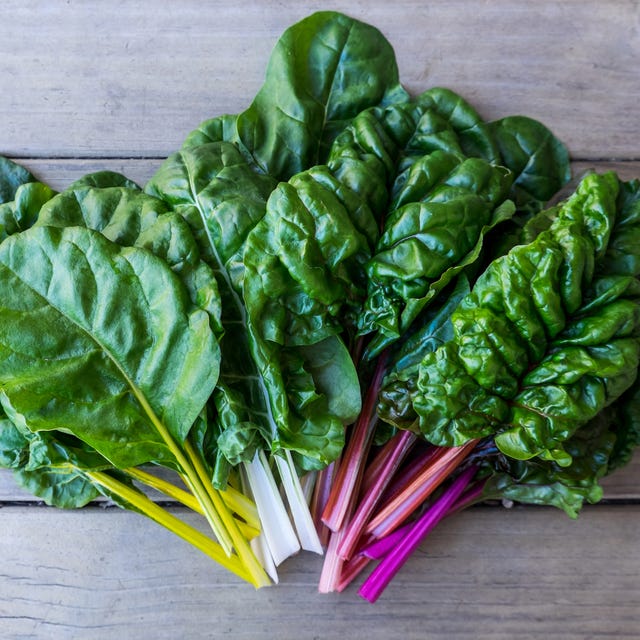
An 80g serving of cooked chard contains around 150mg of magnesium and, interestingly enough, different parts of the plant offer different health benefits. Chard leaves hold the majority of the plant’s fibre content, sodium, magnesium and flavonoids, while stems are high in potassium.
corners74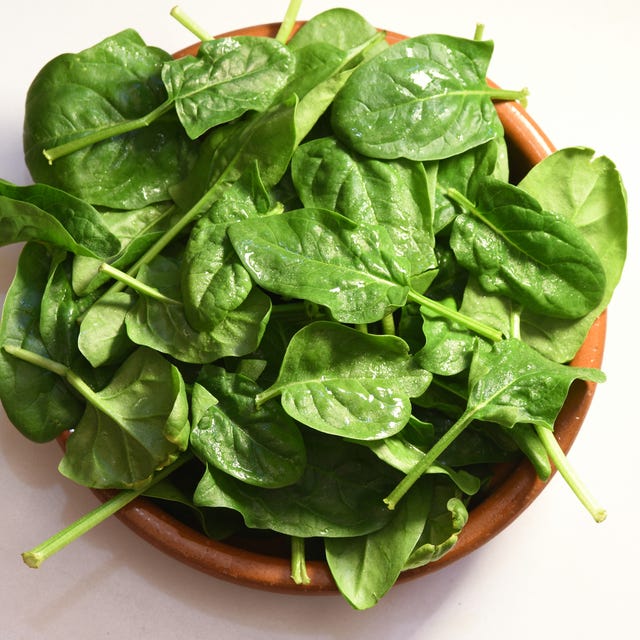 Spinach
An 80g serving of cooked spinach provides around 80mg of magnesium, and is an excellent source of vitamin A, C, K and folate (vitamin B9). Spinach is also known for its high levels of antioxidants and polyphenols, and was found to have protective effects against liver diseases.
Popeye wasn’t wrong when he knocked back a can of spinach — it’s high in nitrate oxide, and research shows it works as a great supplement for athletes who are looking to enhance their physical performance.
Minh Hoang Cong / 500px Artichoke
An 80g serving of cooked artichoke hearts contains around 35mg of magnesium, and is a powerhouse of folate and vitamin C. According to a recent study, an important component of artichokes is inulin, which is known to have a prebiotic effect by stimulating the growth of healthy bacteria in our guts.
LauriPatterson Parsnips
An 80g serving of cooked parsnips contains around 23mg of magnesium. The root vegetable is also packed with vitamin C, vitamin K, folate and potassium. Research suggests that one of the parsnip’s most important health benefits is its flavonoids and polyacetylenes, phytonutrients which give parsnips anti-inflammatory and antifungal properties, relieve spasms, increase blood flow, and may even enough act as an antidepressant.
BHOFACK2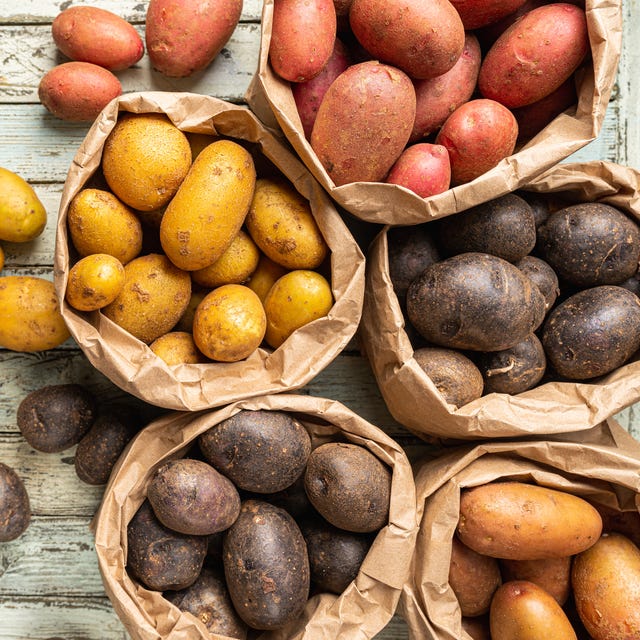 Potatoes
An 80g serving of boiled potatoes with the skin on contains around 17mg of magnesium. Potatoes are also a good source of vitamin C and potassium. These hearty vegetables are rich in resistant starch, which research has shown might help reduce the risk of diabetes, obesity and high cholesterol as well as improve gut health.
Roxiller Kale
Kale
An 80g serving of cooked kale contains around 15mg of magnesium. It’s a nutrition superstar with vitamins A, B6, C, K, folate, fiber, carotenoids, and manganese and has been shown to treat stomach ulcers and help with the management of obesity — long before GLP-1s hit the scene.
RELATED: Different Ways to Eat Kale When You Can’t Get Enough Leafy Greens
VeselovaElena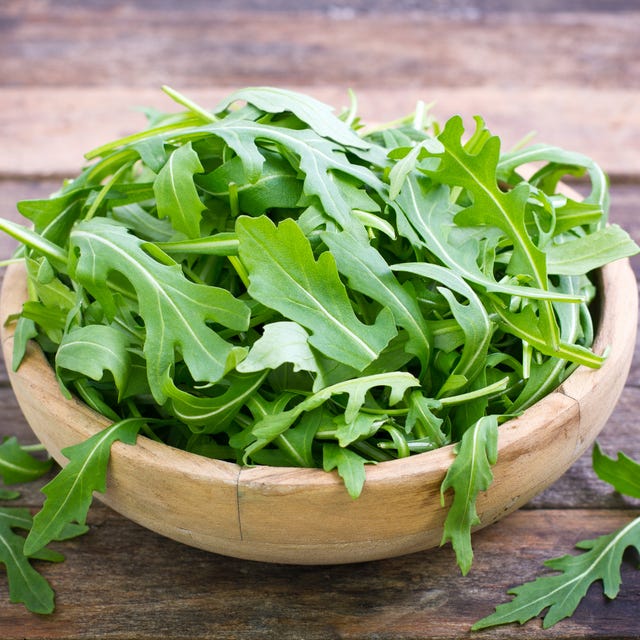 Rocket
An 80g serving of rocket contains around 5mg of magnesium. and also offers vitamins A, C and K. This dainty leafy veggie has plenty of antioxidants and glucosinolates as well, which are shown to delay and possibly prevent the onset of chronic diseases and certain cancers.
Nitrate-rich vegetables, such as rocket, may also support oral health by promoting beneficial nitrate-reducing bacteria. This helps prevent an imbalance that can contribute to various problems like cavities, gum disease and bad breath.
pilipphoto