
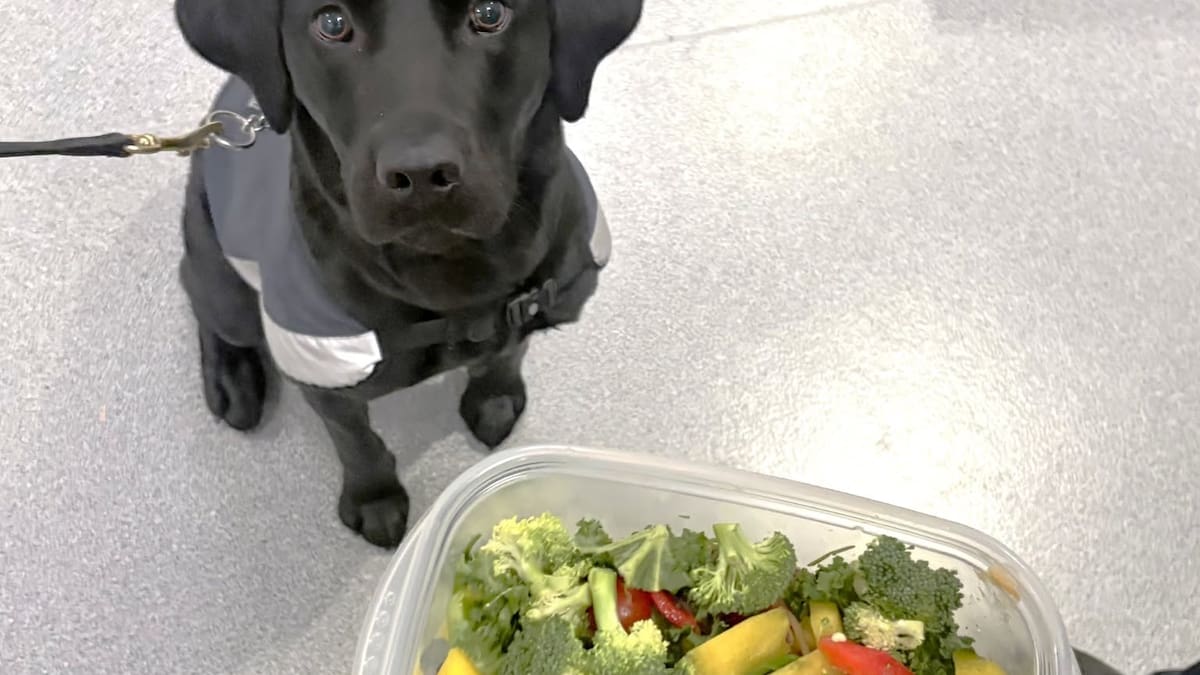
In the same month, Sophie also sniffed out fresh betel nuts and banana leaves in a passenger’s pocket, earning the traveller a $400 fine.
MPI said Sophie had been “rewarded” for her hard work.
“Keep up the fantastic job, Sophie.”
Travellers have been reminded to declare any food, plant material or animal products or face an instant $400 infringement fee.
These include salt, oils, syrups, and even human breast milk, all of which are allowed into New Zealand provided they don’t contain biosecurity risk materials.
The bat head was declared by an incoming visitor.
In 2018, a deceased bat’s head was declared by a traveller from Apia who had wanted to show the remains to relatives.
Biosecurity NZ North passenger manager Craig Hughes said the incident was a “biosecurity nightmare”.
“You see some strange things carried by passengers in this job and this one is definitely up there.”
The mummified bat was described as being in a poor condition when it arrived in Aotearoa.
“Bats have a terrible reputation as disease carriers and the remains could have harboured hitchhiker pests.”
Biosecurity officers stopped someone carrying fruit fly-infested chillies at the border in 2015, a costly mistake for the French passenger.
A tiger tooth, dried frogs, and a range of fresh produce were among the other 6700 items intercepted that year.