
I invested in Rocket Lab on day one, not because it made sense, but because of the story. Kiwi-ingenuity and space rockets were just the right blend to short-circuit my better judgment.
For two years after I bought it, though, it sat below the price I paid, then only recently shot up over 800% this year.
And yet, if I’d run the same rigorous analysis on Rocket Lab that I now apply to SpaceX, I almost certainly would have talked myself out of it. That’s the uncomfortable truth: sometimes good outcomes come from bad process, and good process occasionally gets in the way of good returns.
SpaceX puts that theory front and centre. When I started digging into it, a few things stood out.
Only a tiny slice of the company was released to the public on day one. This creates artificial scarcity and potentially makes the price highly sensitive to demand.
Index fund rule changes that were rushed through, which meant passive funds had to buy in regardless of price, would potentially kick in after more of the shares hit the market.
Then came the eye-watering valuation, dependent on almost everything going right for the next decade.
As more shares are gradually released to the market, recent index rule changes rushed through to allow for the inclusion of SpaceX mean some passive funds will have to buy it, regardless of the price.
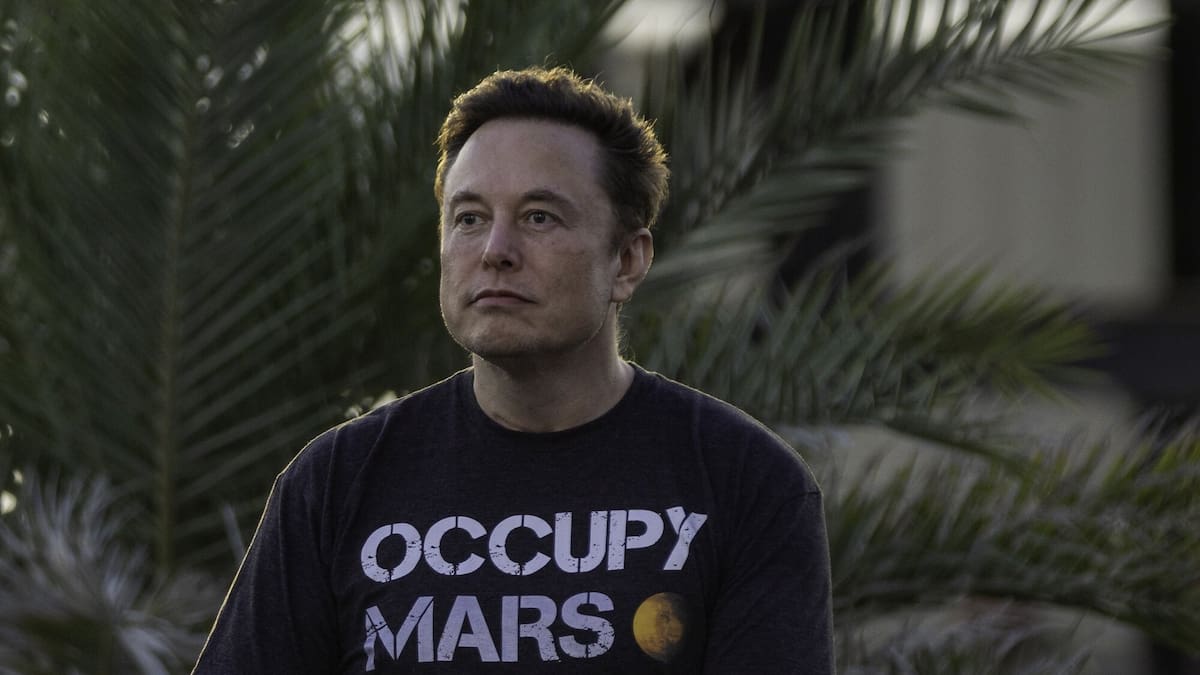
And the biggest red flag of all: Key person risk. If this investment lives or dies, it’ll potentially be down to just one person, the love child of Iron Man and Howard Hughes … Elon Musk. These are legit concerns that aren’t easily overcome. Yet, within the first trading day, the share price jumped 20%. What am I missing?
At some point, an Earth-based AI build‑out runs into hard limits: energy, cooling and land. “Data centres in space” sounds insane, but if you want abundant power, natural cooling and almost infinite real estate, space is the obvious place to look.
Then there’s the Musk factor I need to revisit: it’s a huge key‑person risk, but he’s also the reason my car partly drives itself to work, and why many people finally get high-speed internet. He’s a bit “eccentric” for sure, but he gets stuff done.
The adviser in me also keeps coming back to diversification. On Earth, that means owning lots of different things, but they’re all still exposed to the same planet‑level risks. Space offers the opportunity to get money working off‑planet, away from Earth‑bound resource constraints, wars and recessions.
It’s still tempting to write the whole idea of SpaceX off as speculation, but with a 20- to 30-year horizon, this could turn into a special kind of blind spot.
And I think that over time, space will become a very normal thing to invest in. At current price levels, SpaceX may well be a good investment, but I just don’t see it as an opportunity that disappears in a few weeks or even months.
For me, the key question is when to buy, not whether to buy. You’ll soon be able to get exposure to SpaceX through some KiwiSaver schemes, but whether it’s right for you depends on your timeframe, your ability to stomach big swings in the share price and how strongly you believe in the story.
For most of us, investing is a marathon, not a sprint, so I’m happy to miss the first rocket if it means I’m still in the space race when it really counts.
Catch up on the debates that dominated the week by signing up to our Opinion newsletter – a weekly round-up of our best commentary.