

Throw a stone, and you’re bound to cross paths with someone who has jumped on the recent sauna bandwagon.
But can sitting in a sweaty wooden box really improve your health? And can that really be hygienic?
With too many questions to ask before I dare grab a towel and step foot in one, I asked the experts my burning questions to find out if the trend is actually worth the hype.

The word “sauna” is the Finnish word for bathhouse. iStock
What exactly are the health benefits?
According to experts, the strongest case for saunas lies in cardiovascular health.
Exercise physiologist Laith Cunneen tells me while the evidence is solid, heat therapy shouldn’t substitute for healthy habits like a good diet, sleep and exercise.
“A sauna session raises heart rate, dilates blood vessels, and can temporarily lower blood pressure afterwards,” Cunneen says, adding that lower rates of dementia and respiratory disease have also been reported.
Industry expert Sonia Rendigs, from sauna manufacturer Orans Wellness, says the benefits extend to mental well-being and rest.
“The drop in core body temperature after leaving the sauna signals the brain that it is time to sleep, deepening sleep onset and quality.”
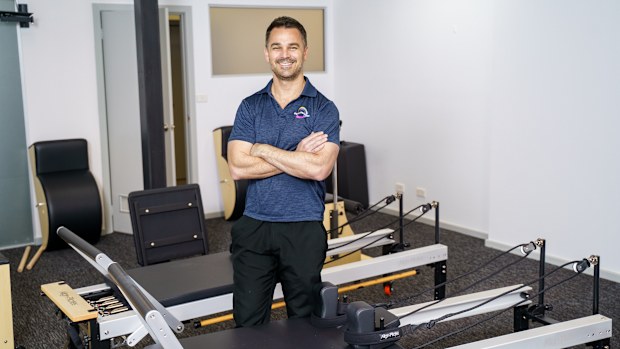
Laith Cunneen, founder of Arcane Physio, says there’s no one-size-fits-all approach to sauna use. Laith Cunneen
Tell me the truth: Are they hygienic?
For anyone hesitant to share a public sauna with strangers, the good news is the heat actually works in your favour. (I know, it was a surprise to me, too!)
Rendigs says the temperatures inside a traditional sauna – typically between 80 and 100 degrees – creates an environment where most bacteria struggle to survive.
Still, that doesn’t mean hygiene can be ignored.
“Best practice is simple: shower before and after, always sit or lie on a personal towel, and avoid synthetic fabrics like nylon and polyester, which trap heat and bacteria against the skin,” Rendigs explains.
So just how often should you use a sauna?
“For the average healthy person, around 10 to 20 minutes per session, two or three times per week, is a reasonable starting point,” Cunneen says.
“Beginners should start with five to 10 minutes and gradually increase based on tolerance.”
Always leave sooner if you feel dizzy, nauseous, weak or light-headed.
I’ve seen people sauna and ice bath, but which is better?
Although often lumped together, saunas and ice baths work in completely opposite ways – which is why Rendigs says using them together is so powerful.
“A sauna accelerates recovery by increasing blood flow to fatigued muscles … an ice bath works in reverse. The cold causes blood vessels to constrict, which reduces inflammation and numbs acute pain.”
But when it comes to exercise recovery alone, Cunneen says one choice stands out.
“Ice baths have better evidence for reducing muscle soreness and perceived fatigue over the next 24 to 48 hours, particularly after intense endurance or team-sport exercise,” he says.
There is a catch, though. Regular ice baths right after strength training can reduce muscle gains, so they aren’t ideal if building muscle is your primary goal.
Are there any mistakes we should avoid?
Rendigs says the most common mistake is treating your first session like a test of endurance.
“People push through discomfort, overstay, and then feel depleted or unwell rather than restored … longer is not necessarily better and can be counterproductive.”
She stresses that proper preparation is vital: “Hydration before and after is non-negotiable and routinely ignored,” noting that alcohol is an absolute no-go.