
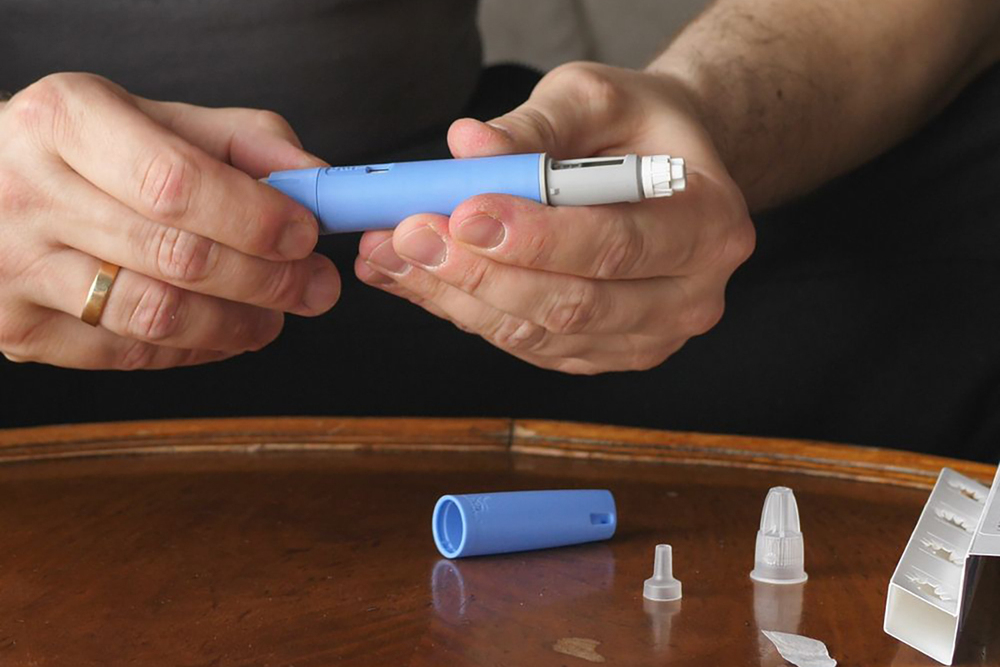
The popularity and success of weight-loss drugs has dramatically changed the role exercise plays in helping people maintain a healthy weight. Once considered a vital part of any weight-loss strategy, exercise has taken a back seat to drugs, whose success is the result of appetite suppression, not burning calories at the gym.
But the benefits of exercise far exceed those related to weight loss, a message the American Heart Association wants to make clear to anyone who has stopped working out while on weight-loss drugs.
“It is important to emphasize that physical activity and exercise (a planned structured, and repetitive subset of physical activity performed to maintain or improve health, fitness or both) have cardiometabolic health benefits independently of weight loss,” said the authors of a scientific statement published by the American Heart Association.
Being active improves cholesterol levels, lowers blood pressure and reduces the risk of heart disease and increases overall fitness. It’s also a boost to mental health, improving mood, sleep and lowering anxiety. But a study of 700 adults found the majority exercised less once they started on weight-loss drugs, which is why the American Heart Association is offering a reminder about the additional health benefits of exercise.
For some, the side effects of their drug regime— nausea and fatigue — can make exercise difficult, especially long or high-intensity bouts of aerobic exercise. But it doesn’t take a lot of physical activity to reap the added health benefits exercise has to offer. And once the numbers on the scale start to fall, physical activity becomes easier with less body mass to move through space.
The American Heart Association suggests following the general recommendation of 150 minutes of moderate to vigorous activity per week. But they also stress weight training be included in any regular exercise program.
When people lose large amounts of weight they lose muscle as well as fat, which has implications beyond a loss of strength. Muscle mass naturally decreases with age, so any premature decline in muscle can result in increased risk of fragility and reduced function in the last few decades of life — arguably a time when you need more, not less, strength.
Obesity experts have also suggested individuals who carry large amounts of excess weight are likely to have higher levels on fat in their muscle, which can be moderated by being active.
Admittedly, research into the long-term effects of the newest class of weight-loss drugs is scarce, so there are no firm guidelines as to the optimum volume, intensity and type of exercise it takes to maximize health benefits. But there is consensus physical activity remains an important part of any weight-loss journey.
“By leveraging the unique, multifaceted health benefits of physical activity, we can improve the likelihood of long-term success of comprehensive obesity treatment options and help reduce the prevalence of obesity and obesity-related cardiovascular outcomes,” the American Heart Association said.
Finding the right workout while getting used to how your body feels while taking weight-loss medications can take some trial and error. Moderate to high-intensity aerobic exercise may be too much on days when energy levels are low. And weight training may be intimidating if you’ve never lifted weights. But yoga or Pilates classes can keep you moving while you adjust to your new reality. And daily walks, with short bursts of speed on days when you feel like you have some gas in the tank, can get your heart rate into the training zone.
Hiring a personal trainer to help build a strength workout that can grow with you as you lose weight is a great investment. So is a smart watch that can objectively monitor your activity and help you set up daily goals to ensure you’re accumulating enough physical activity over the course of the week. If 150 minutes seems too ambitious to start, scale it back. Several studies have noted health benefits even when the number of exercise minutes per week fall below what’s recommended — especially in individuals who were inactive.
Editor’s Picks
If you’ve tried and failed at establishing an exercise routine in the past, it’s time to give it another go. Losing a few pounds will add some much-needed spring to your step and provide a boost of confidence that may have been lacking in the past. Invest in new workout clothes, join the gym, try a new activity or rekindle your love of a sport or activity you once enjoyed.
Physical activity doesn’t need to be vigorous to improve health. Consistency trumps volume and intensity. And once you’ve made exercise a habit, the more confidence you’ll have in your ability to sustain the occasional vigorous workout and challenge yourself more in the weight room. Underneath those unwanted pounds is an active person just waiting to realize their full potential.