
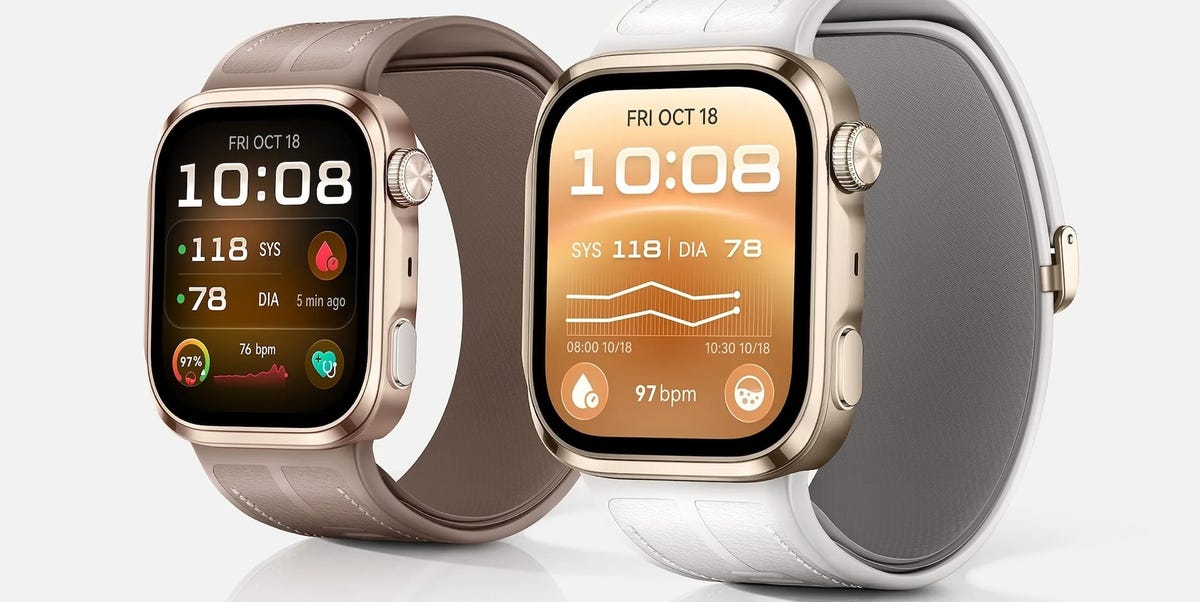
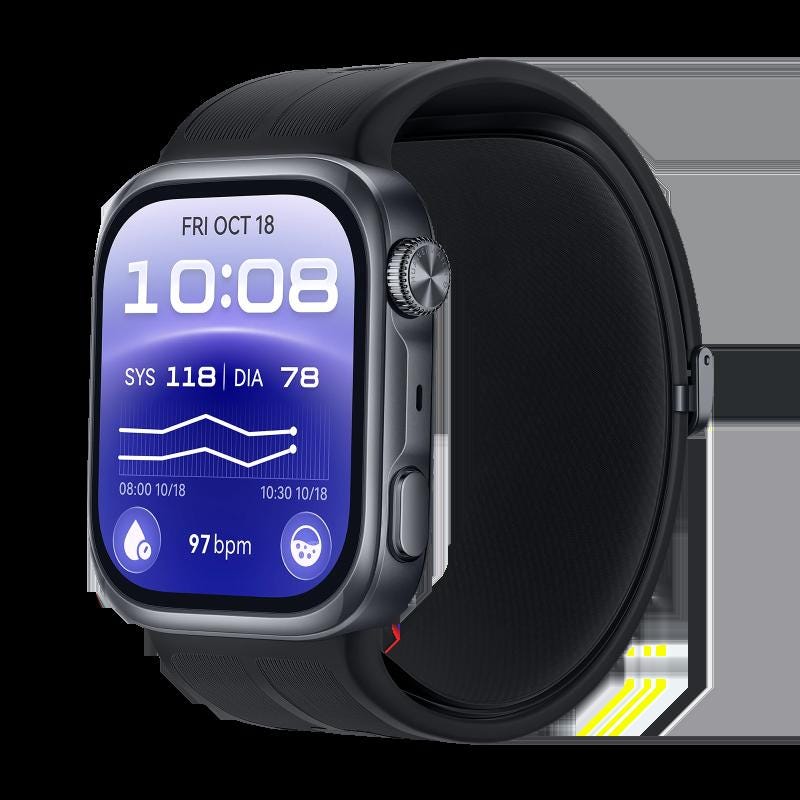
The Huawei Watch D3 looks, from the outside, like just another smartwatch. Rectangular screen, digital crown, various ways of nagging you that you haven’t walked enough today. It costs £399.99 and does most of the usual stuff you know and love: heart rate, ECG, blood oxygen, sleep, exercise, notifications.
Huawei is hardly a bit player in this space. The Chinese tech giant is the world’s biggest maker of wrist-worn devices by shipments, helped considerably by its enormous home market. And the D3 is the third generation of its more medically-minded Watch D line.
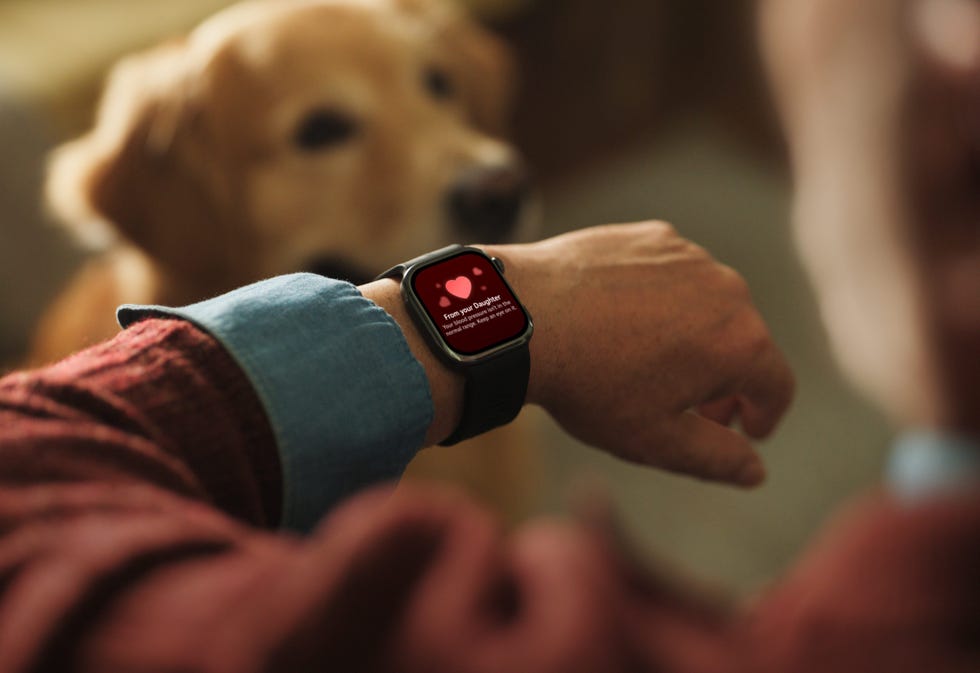
Huawei
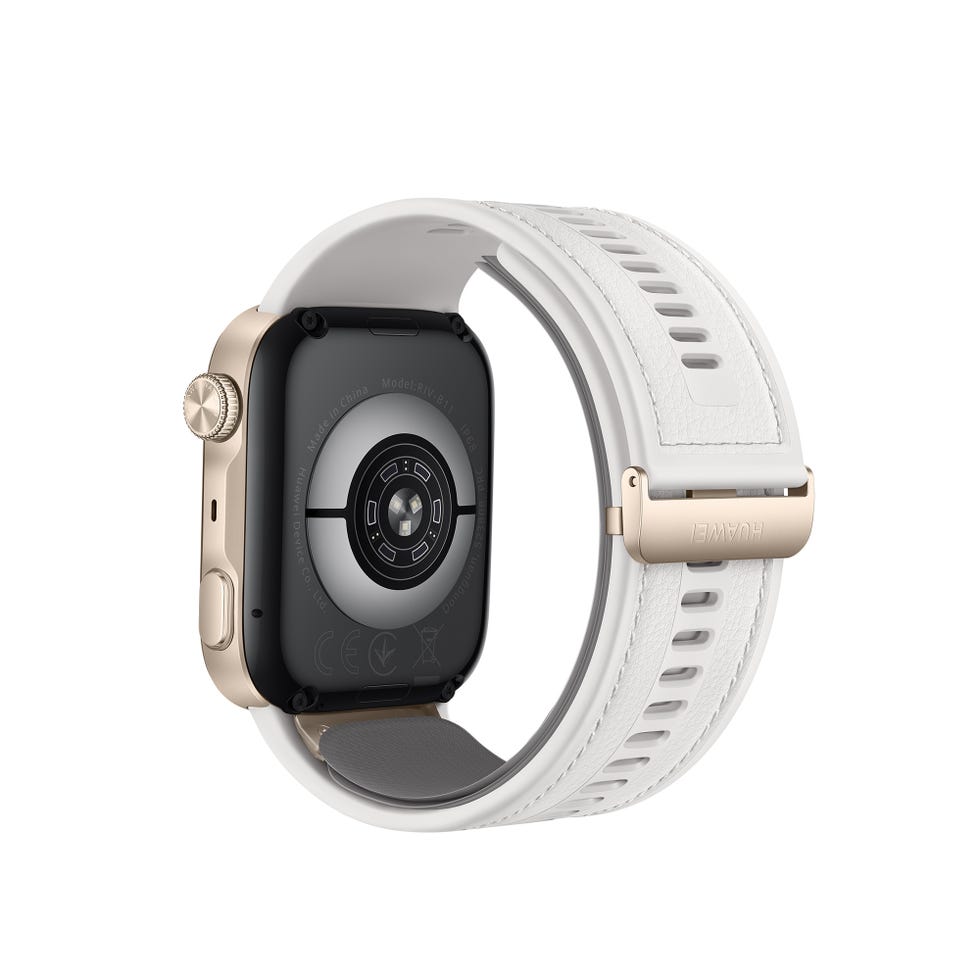
And with the one, the headline feature isn’t on the dial. It’s in the strap.
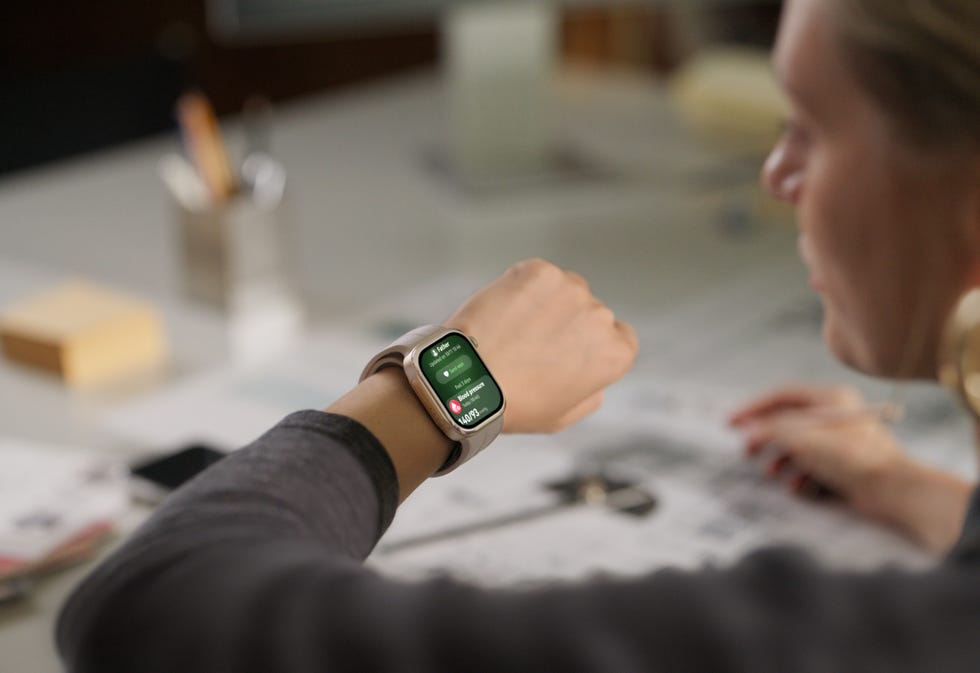
Hidden inside is a tiny airbag that inflates around your wrist and measures your blood pressure in much the same way as the cuff at your GP’s. Rather than estimating it from other signals, it produces actual systolic and diastolic readings. It can also perform ambulatory blood-pressure monitoring, taking readings over 24 hours, including while you sleep.
This interests me because I’m 54, have high blood pressure and take medication for it every day. I also suffer from what’s known as “white coat hypertension” – the bias that means GP readings shoot up in the surgery (I can practically feel my blood pressure rising as soon as somebody in a doctor’s surgery starts measuring it).
I own a home monitor, but it lives somewhere in a cupboard. Using it involves finding it, attaching the cuff and remembering to do the whole thing regularly. Having the machine already attached to your wrist is clearly a more appealing, or at least convenient, proposition.
So I wore the D3 for 24 hours and gave its 24-hour monitoring a go.
Huawei
The first time the strap inflated was peculiar. You sit still, hold your wrist across your chest and the airbag slowly tightens. It’s surprisingly quiet. Then the numbers appear.
After that, if fun isn’t quite the word, certainly repeat use becomes oddly compelling.
I tried it at my desk, before bed, after exercise and during a particularly stressful meeting. And yes, my blood pressure really did rise. After a run, the graph headed upwards. Later, sitting around doing very little, it came back down. Hardly Nobel Prize-winning medical research, but there is something pleasing about seeing your body responding to your day in real time. And you can keep track of the figures, and flag any worries.
The 24-hour mode isn’t completely passive. During the day the watch prompts you to stop and hold your arm in the correct position. At night it can take readings automatically. The more you wear it, meanwhile, the more data Huawei’s Health app can combine with your sleep and activity to show longer-term patterns. (This is both true, and a neat bit of marketing to get you to wear your watch as much as possible.)
Huawei.
There are compromises. The strap is thicker than usual, you can’t swim or shower in it and intensive blood-pressure monitoring eats into the battery. But Huawei has squeezed all this into an 11.3mm-thick watch that weighs 40g without its strap.
After a few days, I found myself less interested in individual readings than the pattern. I’m not going to change my medication because of something my watch tells me. But turning up at my next appointment with a picture of what my blood pressure does during an ordinary day seems considerably more useful than one anxious reading in a surgery.
Most importantly, the D3 removes the faff. For a health gadget that only works if you actually use it, that may be its smartest trick this smartwatch has.