

I know a lot of people say this about their dads, but mine really isn’t like his age. He is one of the most active people I know — and I should know, as I train him twice a week. On top of that, he lifts weights, runs and gardens, so you could say his overall daily activity score is pretty high.
One component of fitness that has taken us years of hard work to improve is mobility, which declines with age naturally and accelerates if you aren’t very active. Combined with resistance training, which can involve lifting weights or moving with your bodyweight (think squats, push-ups and pull-ups), this is one of the best anti-aging tools we have, and it’s crucial for longevity.
I use a few staple exercises in his strength program because our number one goal is consistency. With that in mind, I thought I’d share one of the exercises I swear by; it truly is a game-changer. Here’s how it works, and why you’ll need just one dumbbell. I recommend the best adjustable dumbbells. But that’s optional.
You may like
What is the dumbbell exercise?
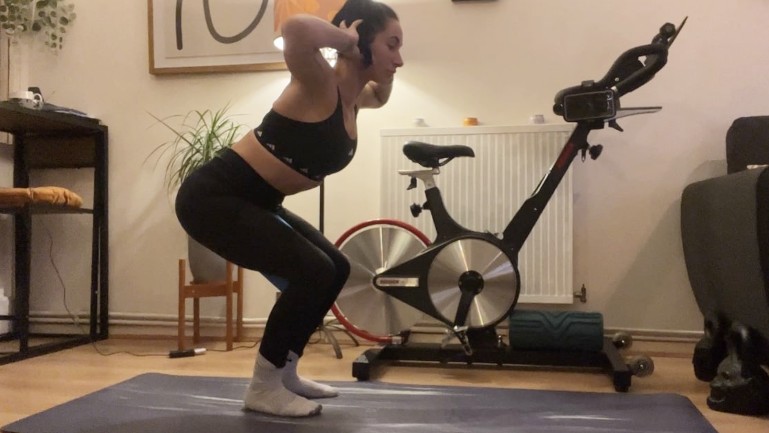
Sam performing prisoner squat on yoga mat with a block between her thighs (Image credit: Future)
This dumbbell exercise tests thoracic, hip, knee and ankle mobility because it combines a weighted prisoner squat with the good morning exercise. The prisoner position (hands behind head) forces a more upright torso, engages your mid- and upper-back muscles and shoulders, and opens the front of your shoulders and chest. It’s harder to squat like this, which is why it’s so good for improving mobility and engaging your upper body.
You’re also squatting, which works your core, hips, glutes, quads and hamstrings. The good morning exercise famously hits the posterior chain, engaging the muscles along your back, glutes and hamstrings. The weight adds load, but also counterbalances the exercise.
All in all, this combo strength exercise builds strength and mobility all over, and there are a few ways to measure how well you can perform it, but more on that shortly.
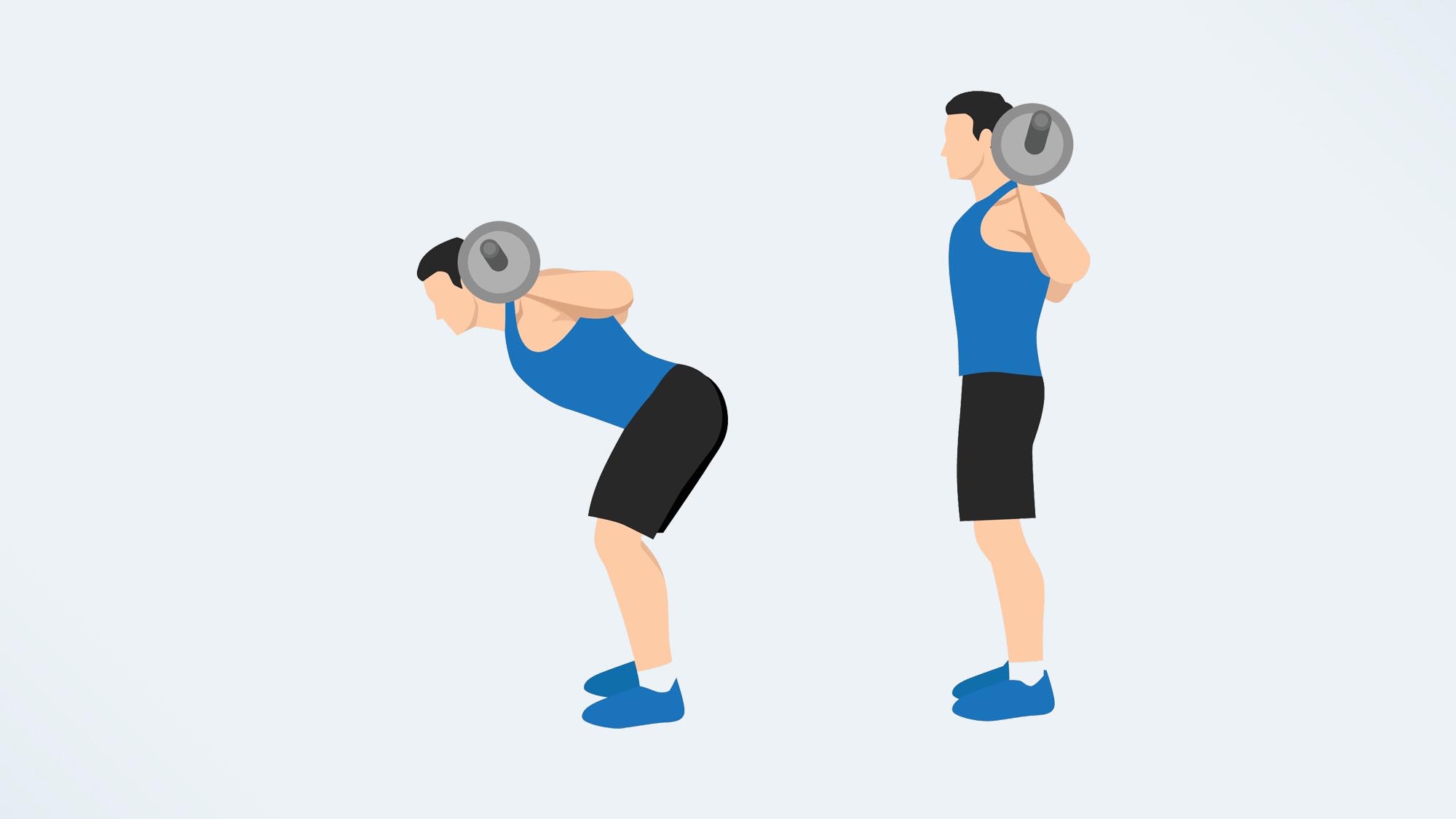
(Image credit: Shutterstock)How to do the weighted prisoner squat and good morning exercise
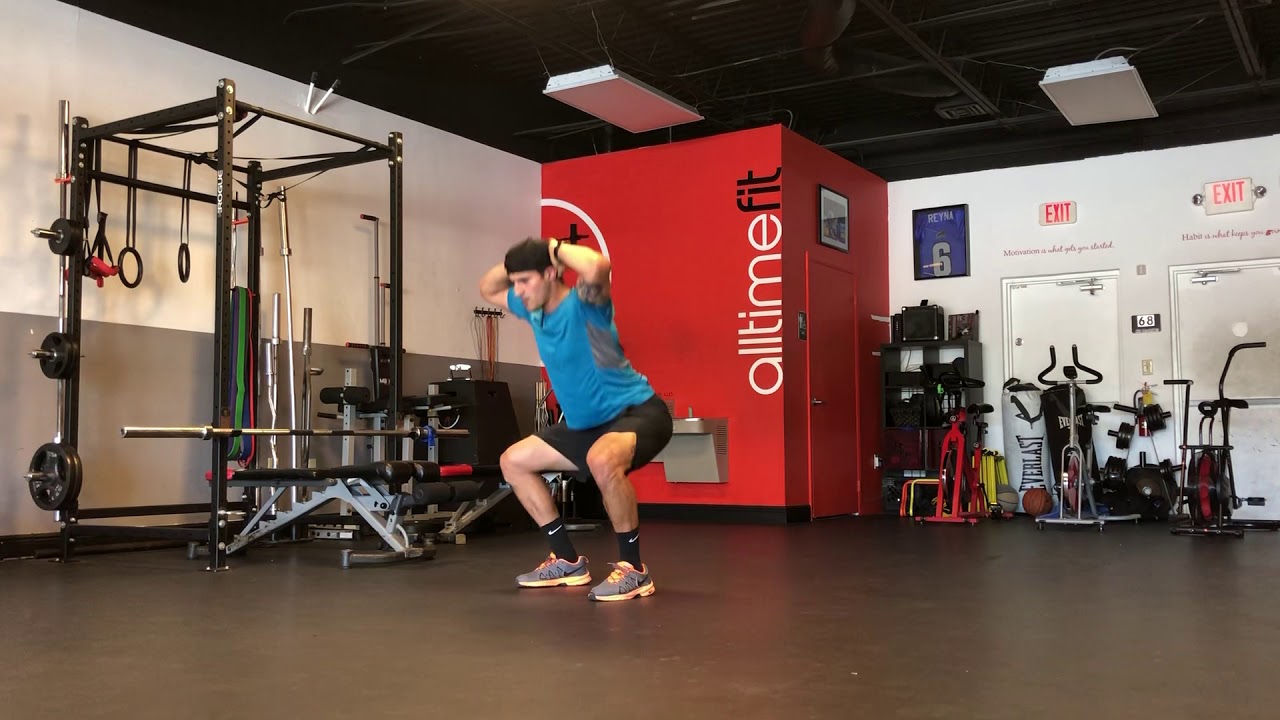
Prisoner Squat to GoodMorning – YouTube
Watch On
Stand with your feet roughly shoulder-width apartGrip a dumbbell with both hands across your upper back. Avoid resting it on your neckPull your elbows back and shoulder blades together, opening your chestEngage your coreSit your hips back and lower into a deep squat as far as you can manage. Spread the weight through your feet without lifting your heelsKeep your chest upright and torso straightPause at the bottom of the squat, then tilt your chest forward until parallel to the floor and lift your butt to push it backward. Keep a soft bend in both knees; this is the bottom of a good morningReverse back into a squat by lifting your chest and lowering your buttDrive up through your legs to stand, extending the hips and knees fully.Common mistakes I see
As you can see, there’s heaps to think about during this exercise, which makes you very aware of what your body is doing — this is a good thing, as it stops you from going through the motions without engaging correctly.
I see a few common errors during this exercise. The first is the knees caving in, which signals limited mobility and possibly a muscular imbalance. Try to imagine pushing the ground apart with your feet and keeping your knees aligned with your toes.
Another sign of poor mobility? Your heels are lifting as you squat; this could be originating from the hips, knees, or ankles, but can even originate higher up the body around the spine, so it might be worth practicing your squats first before trying variations of them. I also recommend working through some hip mobility exercises several times a week to help increase your range of motion.
Two signs that your upper body isn’t coping: elbows drawing forward and your chest lowering toward the ground as you squat, which is common when your hands are positioned behind your head. At the bottom of the squat, as you transition to the good morning, your chest should come forward, but otherwise, it should remain upright and forward-facing.
You may like
The thoracic spine is crucial for providing the attachment points for muscles in your chest, back and shoulders and aiding movements like rotation, flexion and extension through all planes of motion. You’ll need thoracic mobility to support actions like twisting or stabilizing weight overhead, but your thoracic spine is less mobile than the neck, lower back and shoulders, for example, which can make exercises like the prisoner squat harder to do.
Focus on adding full-body mobility sessions into your regimen when you can, focusing on posture, opening the shoulders and chest and working the back muscles.
I recommend 8-12 reps of this exercise and 2 sets. We use an 8kg dumbbell, but this is optional. You can scale the weight accordingly or focus on your bodyweight first.

Follow Tom’s Guide on Google News and add us as a preferred source to get our up-to-date news, analysis, and reviews in your feeds.
More from Tom’s Guide