
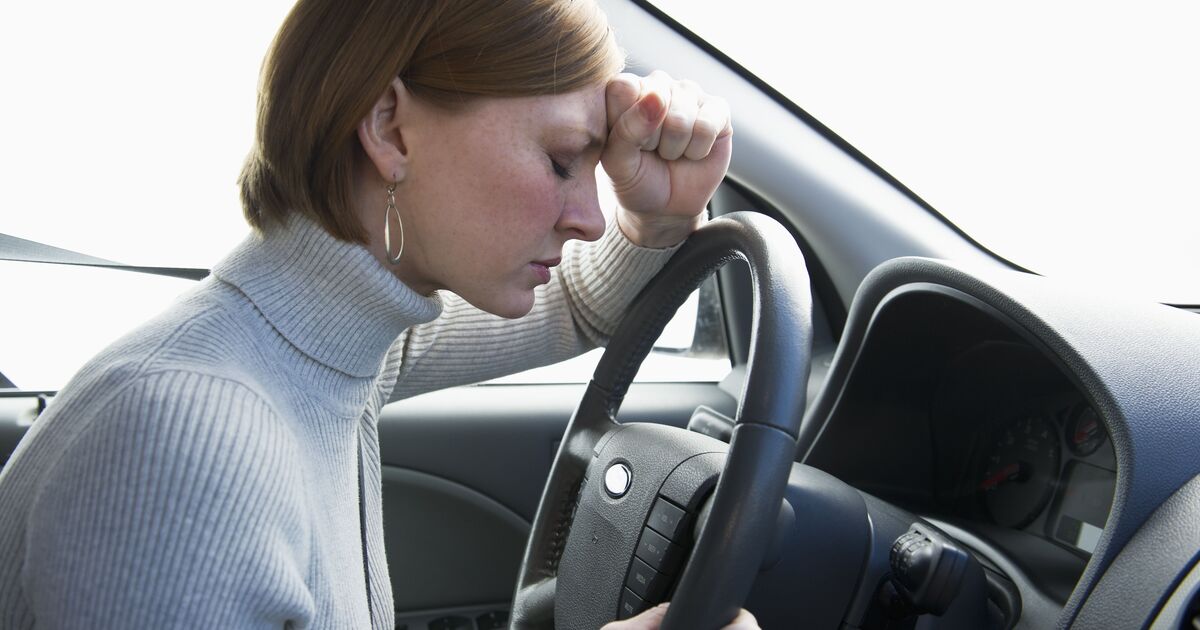
Motorists are warned that they could be hit with a fine of up to £1,000 if they fail to tell the DVLA a certain thing. Failing to disclose particular mental health conditions could result in a hefty punishment.
According to the Government website, you must notify the DVLA about some medical conditions that can affect your driving. These include a whole host of physical health issues, including some that are fairly common such as diabetes, arthritis and high blood pressure. It also includes mental health conditions and illnesses such as anxiety and depression. However, this is only the case if they would affect your ability to drive.
If your driving is not affected by your mental health condition, you do not need to tell DVLA. GOV.UK says: “Ask your doctor if you’re unsure.” DVLA rules clearly state that road users must report any medical conditions that affect their driving to officials as soon as possible.
It warns: “You can be fined up to £1,000 if you do not tell DVLA about a medical condition that affects your driving.” Once drivers have declared a condition, experts will analyse the evidence and decide a course of action.
The Government website explains: “Your application may take longer than usual if it needs to be referred to a doctor (unless you’re applying for a bus or lorry licence). You can usually keep driving while DVLA are considering your application.”
Notifiable conditions are classed as anything that could affect your ability to drive safely. Mental health conditions that are listed by the DVLA as potential notifiable conditions include:
Anorexia nervosaAnxietyBipolar disorderDepressionEating disordersManic depressive psychosis (severe episodes in bipolar disorder)Obsessive compulsive disorderParanoiaParanoid schizophreniaPersonality disorderPost traumatic stress disorder (PTSD)PsychosisPsychotic depressionSchizo-affective disorderSchizophreniaSevere depression
Some physical medical conditions included in the list are:
Diabetes or taking insulinSyncope (fainting)Heart conditions (including atrial fibrillation and pacemakers)Sleep apnoeaEpilepsyStrokesGlaucomaBlood pressure issuesBlood clots
You can choose to voluntarily give up your licence. You might choose to do this if, for example:
Your doctor tells you to stop driving for three months or moreYour medical condition affects your ability to drive safely and lasts for three months or moreYou do not meet the required standards for driving because of your medical condition
To check if your health condition qualifies, you can search on the Government website here.