
Listen and subscribe to Opening Bid Unfiltered on Apple Podcasts, Amazon Music, Spotify, YouTube, or wherever you find your favorite podcasts.
Don’t tell gym industry legend Mark Mastrov that GLP-1s will crush his beloved space like a 100-pound dumbbell being dropped on one’s foot.
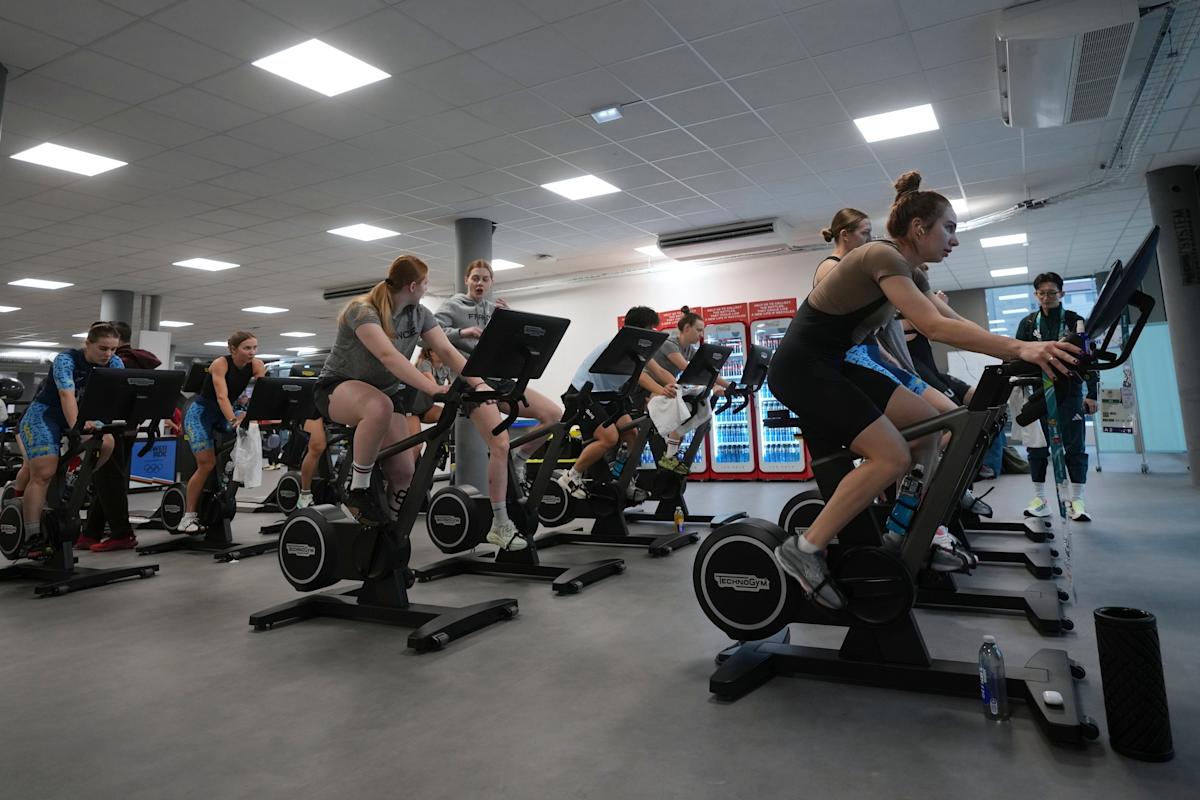
“I’ve seen a lot of people out there I know personally who’ve said, look, I’ve gone on a GLP-1, I’ve lost 30 pounds,” Mastrov said in a new episode of Yahoo Finance’s Opening Bid Unfiltered podcast (see video above; listen below). “But what’s so interesting is all of them are getting into the gym. Like they come to me saying, I want to join a gym, I want to get a trainer, I want to get after it.”
Mastrov is one of the gym industry’s OGs.
Now 68 years old and worth a reported $400 million, Mastrov co-founded 24 Hour Fitness in 1983. He transformed it from a single gym into a global powerhouse with over 420 clubs and 4.5 million members before selling it in 2005 for $1.6 billion.
Born in Oakland, Calif., Mastrov identified a critical market gap — gyms weren’t open 24/7 — and revolutionized the fitness industry by increasing accessibility.
After selling 24 Hour Fitness in 2005, Mastrov went on to gain control of Crunch Fitness and founded UFC Gym with Dana White. He even became an owner of the NBA’s Sacramento Kings.
In January 2026, Mastrov teamed up with LongRange Capital to repurchase 24 Hour Fitness and continue its post-2020 bankruptcy rejuvenation campaign.
On the docket is upgrading 24 Hour Fitness locations to include amenities like cold plunges and saunas, both of which are starting to pop up at competitor Planet Fitness (PLNT) locations.
The entire gym industry has to improve its suite of offerings to contend with people seeing rapid weight loss fueled by GLP-1 medications. Increasing use of the drugs is remaking industries from fast food to retail to gyms.
The long-term sales outlook for GLP-1 medications is exceptionally robust, with global market projections surging toward $150 billion by 2030 and potentially exceeding $250 billion as they become the world’s bestselling drug class.
Such growth is driven by the expansion of clinical uses beyond weight loss — including treatments for cardiovascular disease, sleep apnea, and chronic kidney illness.
But exercise is still recommended.
“Anytime you lose weight, you also lose muscle mass. Muscle loss is a concern for some important reasons,” health and wellness coach Lisa Keer said. “Muscle strength supports physical independence. It mitigates the risk of falling. And it is a key factor in maintaining bone density, which is achieved through movement. Strength training has the greatest effect building muscle mass.”