
“This is reacting to public pressure and scrapping one aspect of it does not make this bill acceptable. The most significant and alarming aspects of this bill remain,” he said.
New Zealand First leader Winston Peters and Prime Minister Christopher Luxon spoke to Jones on Wednesday and told him the section of the bill which sought to remove size limits for commercial operators needed to go.
Oceans and Fisheries Minister Shane Jones has been forced into a U-turn.
Jones said he had to listen to the concerns raised by his boss, and said Peters didn’t want the whole bill tainted by “one relatively small issue”.
Jones said he also spoke to Luxon, who opposed the scrapping of size limits.
Asked who exactly made him change his mind, Jones said he “had to listen to the rangatira, the New Zealand First leader”.
As revealed by the Herald on Friday, the scrapping of size limits was a clause buried in the bill, which was published online last week.
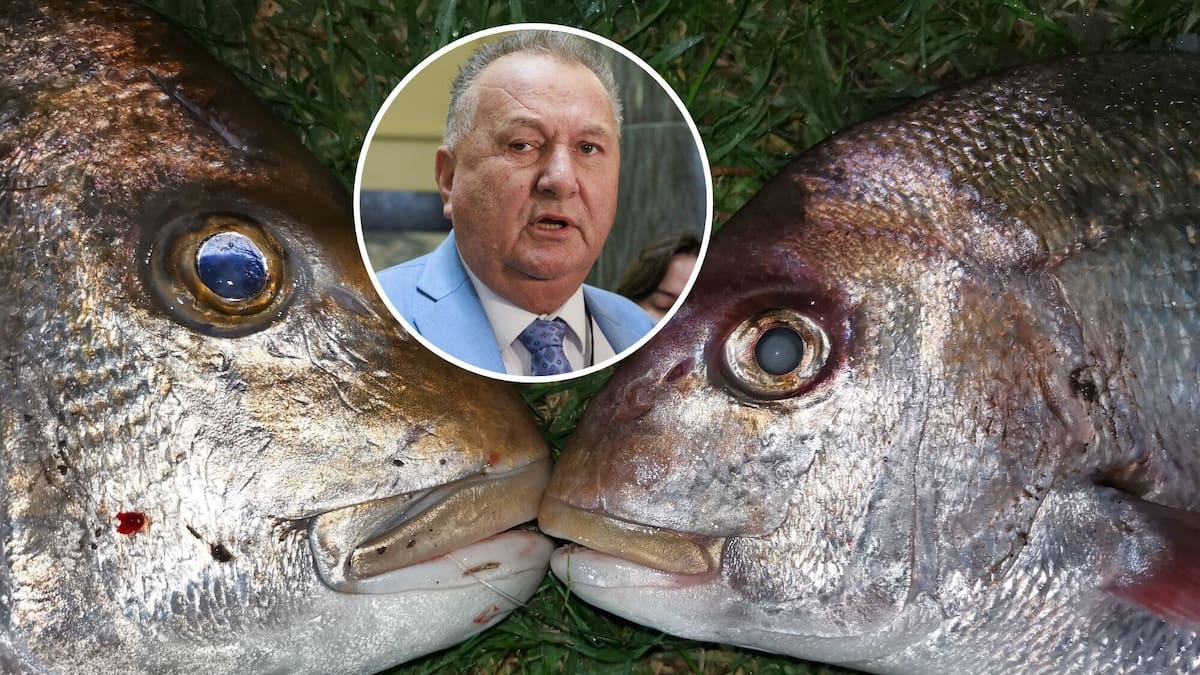
The proposal would have allowed commercial vessels to land and sell baby fish, including snapper, tarakihi and trevally.
The U-turn follows a public backlash over the issue, including from LegaSea, and host of Ultimate Fishing TV Matt Watson, who said removing minimum size limits for commercial fishers was “outrageous and crazy”.
Watson accused Jones of introducing rules to benefit his “mates” in the commercial sector – a claim Jones has denied.
In a post on X announcing the reversal, Peters said: “We believe in democracy, and the most important part of democracy is listening to the people.”
Meanwhile, Luxon said he, too, had concerns about the plan.
“As a recreational fisher, I share Kiwis’ concerns on the impacts to juvenile fish stocks.”
Luxon described his conversation with Jones about the matter as “constructive” and said it was important the “most egregious” part of the bill was removed.
He said the plan to scrap size limits hadn’t been made clear, resulting in serious concerns from recreational fishers.
Luxon urged the public to have their say on other controversial aspects of the bill to “make it even better”.
Act leader David Seymour called it a “great day” for small snapper and recreational fishing.
He said the details about scrapping size limits were “hidden” in legislation and, once he learned of it, he made his concerns known.
Legasea’s Sam Woolford is urging lawmakers to kill the bill.
Woolford said the suggestion that the Government had listened to New Zealanders wasn’t true.
“We have not been heard at all,” he told the Herald.
He noted the U-turn on size limits was only one part of a much larger issue.
“The reality is that this is not a concession and this is not democracy at work. Twelve months ago, 25,000 New Zealanders put in submissions opposing the bill. This was ignored.”
Hooper likened the legislation to an “ocean exploitation bill” and said it should be rejected in its entirety.
“All the Prime Minister and coalition partners have done is remove one aspect of this bonfire of a bill,” she said.
Labour says the Government’s U-turn on the Fisheries Amendment Bill is embarrassing. Photo / Darren Shields
Labour’s fisheries spokeswoman, Rachel Boyack, said Labour would oppose the bill in its entirety, and the removal of size limits should never have made it into legislation in the first place.
“This is an embarrassing backdown from the Government,” she said.
Boyack said it showed the Government was out of step with the public when it comes to fisheries reform.
“We still think the bill is not good, and we will continue to oppose it,” she said.
Other controversial changes in the bill include plans to block the public from obtaining footage of fish dumping under the Official Information Act.
It’s also proposed that quota owners would have the right to carry forward an increased amount of uncaught catch into another fishing year; there would be more flexibility to dump unwanted catch at sea, and the ability for fisheries decisions to be challenged in court would be reduced.
The Environmental Law Initiative has several legal cases against Jones regarding fisheries management.
The group’s director of research and legal, Dr Matt Hall, said the strict limitations on the ability to seek a judicial review of decisions were one of his key concerns.
He said not allowing the public to access footage, along with huge penalties against those who leak such videos, will create a “transparency black hole”.
“All up, these are major changes to the Fisheries Act, which would have an alarming impact on New Zealand’s ability to sustainably manage its fisheries,” he said.
Michael Morrah is a senior investigative reporter/team leader at the Herald. He won News Journalist of the Year at the 2025 Voyager Media Awards and has twice been named reporter of the year at the NZ Television Awards. He has been a broadcast journalist for 20 years and joined the Herald’s video team in July 2024.