
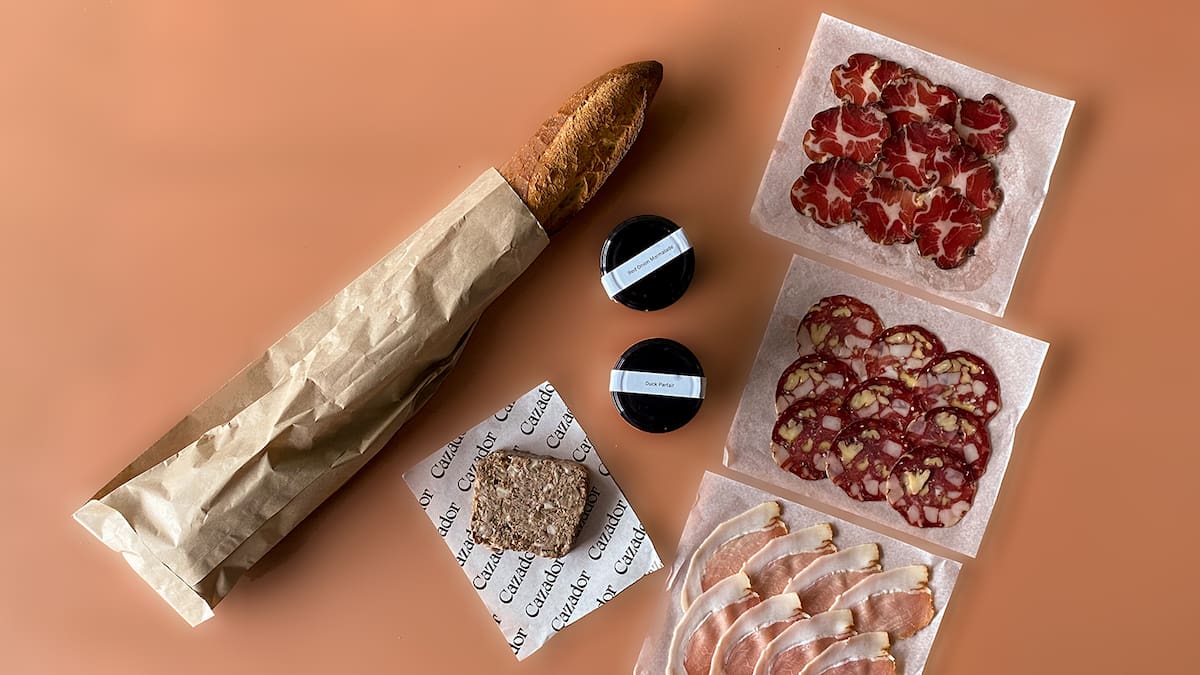
Processed and ultra-processed deli meat often makes for concerning health headlines. But can looking at how our meats are made help us make better decisions on what and how to buy?
Current health advice from the World Health Organisation says to “limit or avoid processed meats”. Strong and consistent
evidence shows a link between their consumption and the development of colorectal (bowel) and stomach cancers.
“It doesn’t mean eating a ham sandwich will cause cancer, but it does mean regular, daily intake increases your risk,” says Lily Henderson, an NZ registered dietitian and spokeswoman for Dietitians NZ.
“Every daily 50g serving of processed meat is linked to about an 18% increase in colorectal cancer risk.”
Henderson says that’s because processed meats are commonly preserved using nitrate or nitrite, containing additives that keep the meat fresh for longer.
“The reason they are an issue is they can form compounds [‘N-nitroso’] in the body that damage gut cells over time, and it’s the accumulation of this damage over time that increases cancer risk,” she says.
The research and news stories we see usually focus on ultra-processed meats, such as the pre-packaged products we buy from the supermarket. But are artisan products, like those available from specialist delis and producers, any better?
Rebecca Smidt, with husband Dariush, owns Auckland restaurant and deli Cazador. The couple produce their own range of charcuterie and deli meat products and believe the healthiest approach is to use local, free-range meat and traditional artisanal processes.
Nitrosamines are what most studies are referring to when citing carcinogens (cancer-causing organisms and substances), Smidt says.
“Nitrosamines occur when ultra-processed meats are cooked, which is not how quality charcuterie is served,” she says. “Examples include ultra-processed bacon, sausages and cooked salamis.”
Cazador’s Rebecca Smidt and her husband produce their own range of charcuterie and deli meat products. Picture / Babiche Martens
She says when a charcutier adds nitrates to cured meats, it’s in trace amounts from curing salts, which dissipate over time. That’s because the artisanal process takes time, anywhere from five days to two to three weeks or even years, depending on the product, style and desired outcome.
Small-scale production, she adds, also often avoids the additives and accelerated processing methods used in ultra-processed food production. According to the Bloomberg School of Public Health, ultra-processed food production includes one or more ingredients that wouldn’t be found in a kitchen, such as chemical-based preservatives or emulsifiers.
While some shoppers look for nitrate-free options, they are often more expensive, and there are risks if they aren’t produced and stored safely, says Dietitians NZ’s Henderson. These risks can include food poisoning and a reduced shelf-life.
“Nitrates provide a critical safety barrier against botulism,” agrees Smidt.
When used traditionally, as in Cazador’s production process, nitrates are added at lower levels than those you would find naturally occurring in common vegetables such as spinach or rocket, and ensure food safety without compromising health.
“For reference, 20g of celery contains up to 30 times the amount of nitrates found in a 20g portion of charcuterie, which would be a standard serving in most restaurants,” Smidt says.
Smidt says products labelled “no added nitrate” may be misleading.
“Labelling laws allow for much higher nitrate levels in vegetable powders, which don’t need to be declared,” she explains. “Chemically, these nitrates are identical to standard curing salts but are harder to measure, so vegetable salts are almost always much higher in nitrates than curing salts.”
Hannah Miller, aka A Lady Butcher, says it’s always good to read the labels. Photo / Dean Purcell
Hannah Miller, better known as A Lady Butcher, is another Kiwi food producer with specialist charcuterie skills.
Like Henderson and Smidt, she believes moderation, natural processes and high-quality products are worth considering when it comes to choosing deli meats.
“We produce cured meats. We’re doing everything in a traditional way, and… even though we are using nitrate and nitrite, we’re using them in a controlled, small amount that is protecting the meat during that initial drying stage when it’s the most dangerous,” she says.
“But then also, through the drying, those nitrates are then able to half-life [or decrease significantly]. So, by the time it’s actually consumed, there are trace amounts, if any, left.”
Miller encourages consumers to read labels and understand what’s in their products.
“In New Zealand it’s more regulated, but I have seen other places where they’ll say ‘uncured’, but actually they’ve used something like celery juice or a celery powder, which doesn’t have the same testing requirements as curing salt does.
“You can actually end up with much higher levels of nitrates than you would if you were using a more controlled one that’s extracted in a lab.”
What about salt?
Processed meats are also often high in saturated fat and sodium (salt), both of which can contribute to heart disease and high blood pressure.
“Salt in our diet comes from many sources and, given most New Zealanders have too much salt, it’s a good idea to think about the different foods you eat that add salt to your diet and how you can ease back,” Dietitians NZ’s Henderson says.
According to the Heart Foundation, people who have a sodium-reduced diet have a 26% lower risk of heart disease and a 21% lower risk of high blood pressure.
Mass-produced and cheaper processed meat often uses additional ingredients such as brines, binders, emulsifiers and other additives, and is usually higher in sodium and preservatives.
Traditionally made cured meat, which is often more expensive, is likely to have a shorter list of additives but is still high in salt.
Henderson says it’s important to note that individual risk depends on a range of factors, including overall diet quality, body size, lifestyle, other health conditions, family history and genetics.
“It’s not just about what we exclude, but just as important to be thinking about what we include in our daily eating. If processed meats like ham and salami make it into your shopping trolley, think about ways that you can reduce or limit the amount you consume.”
Hannah Miller has built her business on quality NZ meats. Photo / Dean Purcell
Miller says the products she makes are meant to be enjoyed in moderation.
“Our serving size is 30g, and people are usually having that on a night out or a shared platter at home rather than every day eating a whole pack.”
Miller’s business is built around using New Zealand meat, which she says is also something consumers should look for.
“Knowing exactly where everything’s coming from, I think that’s really important. But I also understand everyone’s on a different budget, and so sometimes being able to trade up isn’t an option, or maybe it’s only an option sometimes,” she says.
“Overall, in New Zealand, if you’re prepared to pay a little bit more, you’ll usually get a better-quality piece of meat.”
The most important thing to pay attention to is basing your diet around whole foods, not processed ones.
“The bigger picture is how often [processed] foods are eaten and what they replace in the diet,” Henderson says. “Rather than trying to find the ‘healthiest’ processed meat, a better strategy is to try to eat them less frequently and prioritise whole foods more often. It is the overall quality of your diet that matters most.”
Tips And Swaps
If you’d like to reduce your consumption of processed meats, Henderson advises looking out for realistic and affordable swaps towards whole or less processed foods, including:
Instead of ham, try a mashed boiled egg, hummus, cottage cheese, canned tuna or salmon with a bit of mayo, leftover protein from dinner (eg cooked chicken, falafel or lean meats).
Shaved asparagus, chive and egg sandwiches. Picture / Babiche Martens.
Instead of pepperoni or salami, try chicken, frozen prawns, fresh or roast veges or lean meats.
It can sometimes pay to think about alternative pizza toppings to pepperoni or salami. Photo / Babiche Martens
If you choose to eat processed meat:
Keep it occasional, not dailyChoose smaller portionsBalance meals with nourishing high-fibre whole foods such as vegetables, whole grains and legumes.Look at ways to instead include high-quality sources of protein such as eggs, chicken, dairy, lean meats etc.
More On Food And Wellbeing
From diet swaps to great recipes, discover how food and the body go hand in hand.