
This aligns with a wider national need. New Zealand’s aviation, energy and infrastructure sectors are already urging rapid action on sustainable aviation fuel after Australia committed A$1.1 billion ($1.31b) to low-carbon fuels and moved to strengthen future supply chains. The SAF Industry Roundtable has urged New Zealand to move quickly on policy and regulation so we do not watch investment shift offshore.
There is also already practical work underway. The New Zealand Brazil Business Chamber (NZBBC) has been developing the Northland ethanol-to-SAF concept, and its chief executive, Marcelo Menoita, has been championing New Zealand-Brazil relationships with key industry stakeholders, including engagement with Brazil’s corn-ethanol industry body, União Nacional do Etanol de Milho, or UNEM. That matters because New Zealand does not need to build this capability alone; it can learn from a country that already has deep ethanol expertise.
A domestic fuel strategy, centred on Marsden Point, is urged to boost sustainable fuel production and New Zealand’s fuel supply resilience.
The concept being advanced through NZBBC’s briefing and strategic framework envisages an initial 50 million litres a year of ethanol production, support for more than 100 farming contracts or operations, and 200 to 400 direct jobs, with 51% New Zealand and iwi ownership. Those are projected outcomes, not guarantees, and they would need to be tested through a full feasibility process.
Still, the potential is significant. For Nicola Willis, this is about reducing long-run exposure to imported fuel shocks and inflation pressure. For Shane Jones, it aligns with the strategic role he sees for Marsden Point and Northland industry. For Energy and Climate Change Minister Simon Watts, it is about whether New Zealand will create regulatory settings that support domestic fuel alternatives and greater resilience. For Prime Minister Christopher Luxon, it is a practical answer to a live resilience challenge.
Brazil’s ethanol programme shows what real fuel security looks like: ethanol output there is now equivalent to more than 30 billion litres of gasoline, while actual gasoline imports were about 2.87 billion litres in 2024.
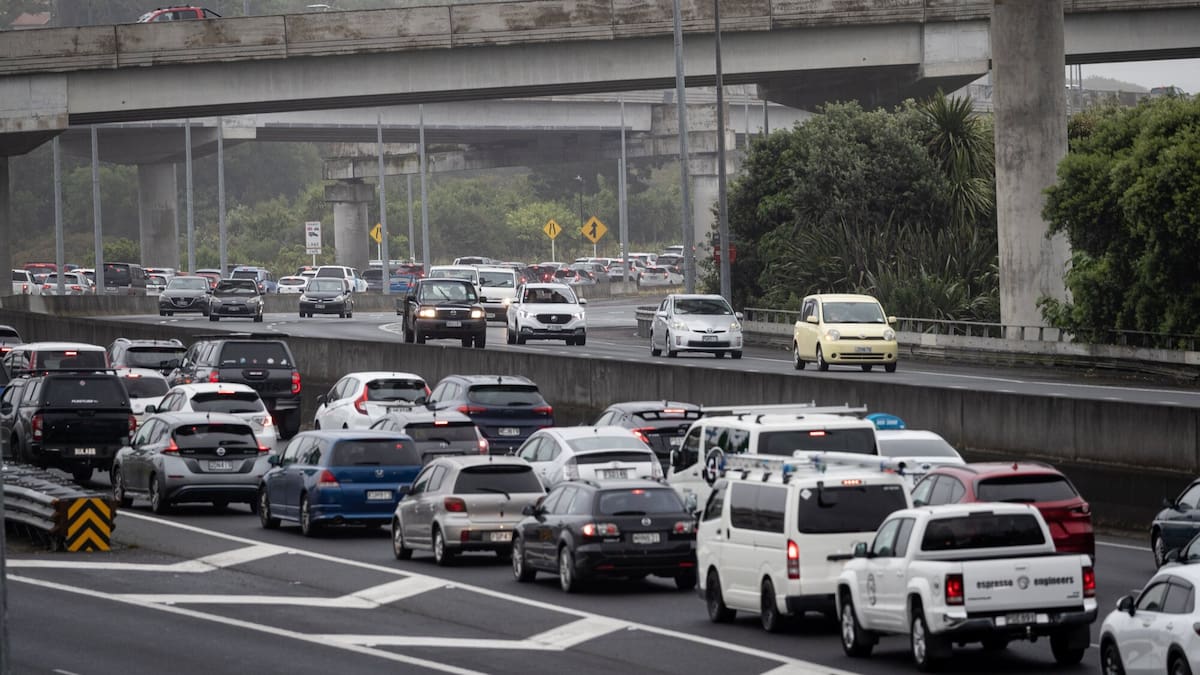
The Government emphasises healthy national fuel stocks but notes only 18 days of diesel onshore. Photo / Michael Craig
None of this means ethanol is a silver bullet. It will not replace all imported fuel, and any project must prove its environmental integrity, economics and community benefit. But doing nothing leaves New Zealand just as exposed when the next shock hits.
So the Government should do three things now: back a formal feasibility study for a Northland ethanol-to-SAF platform, review whether the long-standing 10% ethanol blend ceiling is still fit for purpose, and align agencies around how Northland can strengthen both fuel resilience and future SAF capability.
New Zealand does not need to copy Brazil exactly. But it should learn from countries that have built domestic fuel capability instead of accepting permanent vulnerability. If the Government wants a practical place to start, it is Northland.
Catch up on the debates that dominated the week by signing up to our Opinion newsletter – a weekly round-up of our best commentary.