
As at June 30, its controlling port stake was worth $2.5b and it also had $470m in “non-port” and special-purpose assets, such as the $161m Rangiuru Business Park.
The council has said its preferred restructure option is a “hybrid” model, splitting port and non-port assets from special-purpose assets in two CCOs.
It has also proposed changes to how the money is spent; capping the annual amount for rates reductions, environmental work and other council functions at $50m plus inflation, and putting any leftover income towards regionally beneficial infrastructure development.
A third aim was the ability to recycle capital. The council was using $200m of debt to finance the Rangiuru Business Park development, to be repaid as the land was sold and developed.
Other restructure options included creating a CCO trust to house all investments held by Quayside, partnering with an existing community trust, or retaining the status quo.
Greater protection needed for ‘regional taonga’
Drysdale told the Bay of Plenty Times the fund had “significant potential” to benefit future generations and the “regional taonga” needed to be protected.
He said in his view there was “a little bit of a risk” with “too much direction” from elected members to the investment arm.
For example, the regional council was required to own at least 28% of shares in the Port of Tauranga, as set by elected members.
This was a decision where the political arm was “influencing what the investment arm can do”, the mayor said.
“Obviously, if you’re set to deliver the maximum return, you’ll make the decisions that you think are best around that.”
The city council’s submission said it did not support a hybrid model.
Drysdale said the investment arm should be “more separated and insulated” to make investment decisions, while the political side focused on spending the generated income.
While the current structure “works fairly well”, it “could be made better if you took more of the political out”.
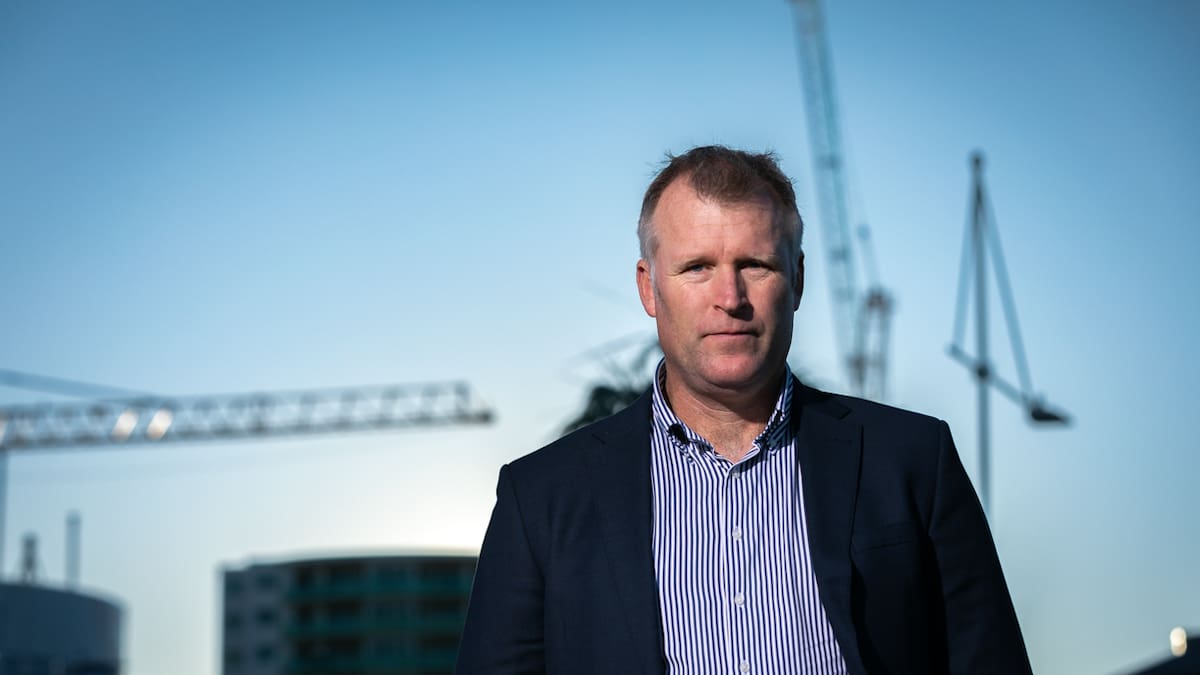
Tauranga mayor Mahé Drysdale, pictured in 2025. Photo / David Hall
The council’s submission said legislative ring-fencing was “critical” to long-term regional benefit.
It said legislation could set clear obligations to maintain the real value of capital, require a super-majority before any capital could be reduced, and mandate independent investment governance over investment decisions.
In contrast, councils holding investment funds without legislative safeguards remained exposed to short-term decisions to use capital for debt repayment, rates pressure or funding one-off projects.
The submission said the New Plymouth Perpetual Investment Fund was protected by specific legislation and the Auckland Future Fund was pursuing “similar” protections.
Drysdale said changing the structure alone “does not give you any further protection than there is today”.
Legislative protection was “the next step if you truly want to protect it as a taonga for the region”.
Bay of Plenty Regional Council chairwoman Matemoana McDonald.
In a statement, regional council chairwoman Matemoana McDonald said the council could not comment on submissions because they were intended to inform its decision-making on the proposals.
This stage of the consultation process had not yet taken place. Consultation closed on April 2.
Tauranga City Council’s feedback and other submissions would be considered through the consultation process, including hearings and deliberations, before final decisions were made and the documents were adopted in June, McDonald said.
Megan Wilson is a health and general news reporter for the Bay of Plenty Times and the Rotorua Daily Post. She has been a journalist since 2021.