
You’re not a flamingo, so why would you worry about your ability to balance on one leg?
“Balance is one of the clearest indicators of how well the body is functioning day to day,” says Yancy Culp, Spartan DEKA co-creator and senior director, who’s also trained many of the top obstacle course racers.
“It underpins confidence in movement, reduces risk of falls, and becomes increasingly important as we age.”
Latest Videos FromFit&Well
It’s why standing on one leg while doing a task is the first of Culp’s five fitness litmus tests, a way of helping people assess if they’ve got all the bases covered (the others cover cardio fitness, strength and mobility).
“If you struggle to stay steady while doing a task such as tying your shoe, it can be a sign that your balance and coordination need attention. The good news is that balance is something you can improve with practice—standing on one leg regularly can help you build your balance and coordination.”
You may like
I’m proof that this simple prescription works.
After I edited an article on the old man test, I tried it and realized I couldn’t put on a sock and shoe while standing on one leg.
All I did to remedy this was to almost always put on my socks while standing on one leg. It took months, but my balance has noticeably improved.
However, what if you’re not comfortable standing on one leg at all?
Culp has suggested two simple drills that, when practiced consistently and with the difficulty progressed gradually, should help you see a similar improvement.
What to read next
Two balance drills1. Delayed walking
“Many don’t think about it, but walking requires balance and coordination skills that we developed at a very early age,” says Culp.
“It’s a contralateral movement that requires opposite limbs working together to produce movement.
“For several minutes every day, do what I call delayed walking. Walk very slowly so that you’re forced to balance on one foot for a longer period of time compared to your normal walking pace during your leg transitions.
“During every session, challenge yourself to increase the amount of time for each step transition. Your balance will definitely improve!”
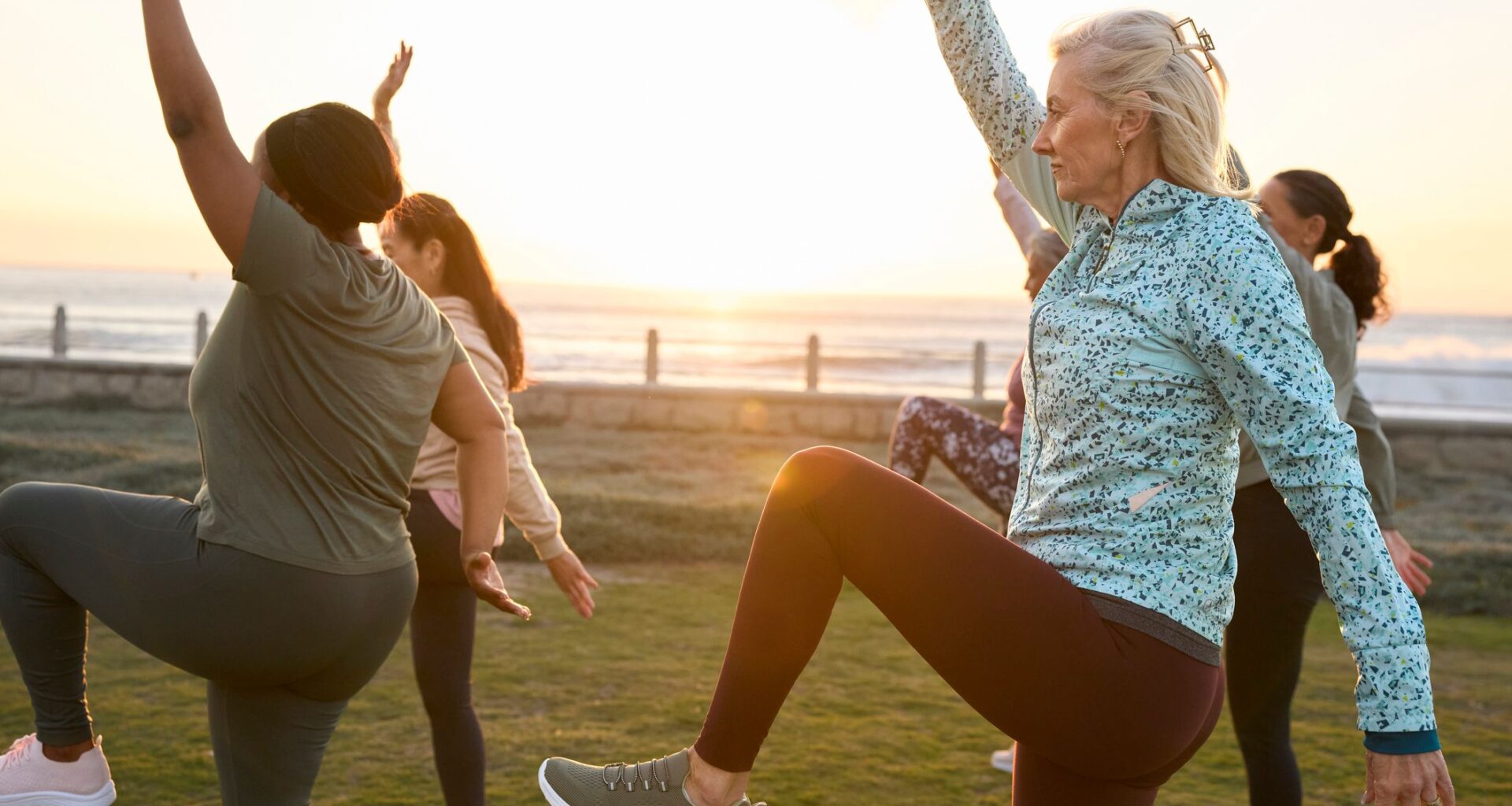
“Take the traditional high knee drill and slow it way down,” says Culp.
“Slowly raise your knee and take three seconds to cycle the high knee before returning the foot to the ground.
“Continue cycling for two minutes daily.
“Every fifth day, increase your leg cycle time by one second. In 35 days you’ll be doing 10-second leg cycles and your balance will be greatly improved.
“Challenge yourself during this drill by doing things like closing your eyes for a brief period of time and reaching down and touching your foot with both hands during your leg cycles.”