
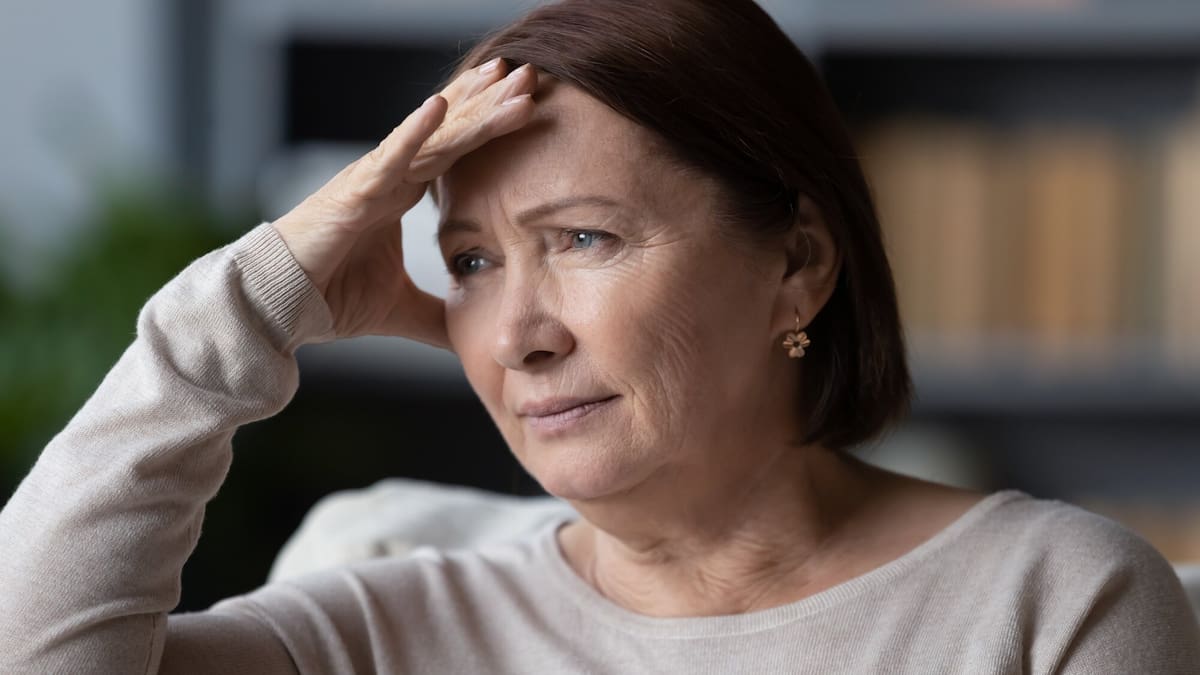
“We have known for a long time that oestrogen affects our experience of pain,” said Gillian Goddard, an endocrinologist and adjunct assistant professor at NYU Grossman School of Medicine and author of The Hormone Loop.
Research dating back to 1999 shows that pain sensitivity can fluctuate throughout a woman’s monthly menstrual cycle, specifically when oestrogen levels fall. Hormonal shifts during puberty and after pregnancy can also influence inflammatory and autoimmune processes that can contribute to pain, Goddard added.
During perimenopause, oestrogen levels can fluctuate dramatically (for months or even years) before settling at consistently lower levels. Those changes can affect pain in several ways.
For one, oestrogen helps regulate how the nervous system interprets pain signals. As levels decline, the brain may become more sensitive and interpret those signals as more significant, said Heather Huddleston, a reproductive endocrinologist and director of the PCOS Clinic and research programme at the University of California at San Francisco.
Oestrogen also plays a role in joint and connective tissue health, immune activity, and inflammation, so related pain tends to worsen during hormonal shifts. Fluctuating oestrogen could trigger or worsen existing autoimmune conditions, Goddard said, “but the immune system is complex, and exactly how it changes in response to oestrogen is still being worked out”.
Sleep adds another layer. Hot flushes and night sweats can disrupt sleep, which may heighten your brain’s sensitivity to pain, Huddleston said. Discomfort from chronic pain can make it harder to get restorative sleep, creating a vicious cycle. Lack of sleep can also leave you feeling too tired to exercise or maintain other healthy habits, which could amplify certain kinds of pain, Huddleston said.
These types of chronic pain tend to be the most common during perimenopause and menopause:
Joint and muscle pain
Aching knees, stiff hands and sore shoulders are common complaints during the menopause transition. In a 2024 review, researchers proposed the term “musculoskeletal syndrome of menopause” to describe the changes in muscles, joints and bones associated with declining oestrogen. Research suggests that the rates of osteoarthritis, the most common type of arthritis, in postmenopausal women are nearly twice those of men of a similar age.
Back pain also appears to become more common during this time. A 2026 research review found that, compared with premenopausal women, perimenopausal women had a 15% higher risk of back pain and postmenopausal women had a 20% higher risk.
Rheumatoid arthritis, a chronic inflammatory and autoimmune disease that primarily causes joint swelling, pain and stiffness, may also worsen or develop for the first time during menopause. In fact, a research review in the journal BMC Rheumatology found that postmenopausal women had a 35% increased risk of developing RA compared with premenopausal women, and that those who went through menopause early were almost three times as likely to develop RA as those who experienced it at a typical age.
Frozen shoulder is more common in peri- and postmenopausal women. Photo / 123rf
Frozen shoulder, a condition that causes pain and severely restricts shoulder movement, is also more common in peri- and postmenopausal women. Experts believe oestrogen deficiency may play a direct role, but most studies that have looked at whether taking hormone therapy can reduce the risk have been small and inconclusive (though research in this area is ongoing).
Migraine
Migraine, a neurological disorder that can cause throbbing headaches, light sensitivity and visual changes, is particularly sensitive to oestrogen fluctuations. During perimenopause, sharp drops in the hormone can lower the threshold for triggering a migraine attack, Goddard explained. Attacks may become more frequent or severe, especially around menstrual periods.
But migraine often improves – with episodes happening less frequently – after menopause when oestrogen levels remain consistently low, rather than spiking or falling dramatically during the transition time of perimenopause, she said.
Migraine can cause throbbing headaches, light sensitivity and visual changes. Photo / 123rf
Fibromyalgia
This condition – which experts believe may be caused by central sensitisation, or when the central nervous system becomes hypersensitive to pain – causes widespread pain, fatigue and sleep disturbances.
Its symptoms can overlap considerably with those of menopause, according to a 2026 study, and women with fibromyalgia may also find that their symptoms worsen during the menopausal transition, affecting their quality of life, according to the IMS research report.
Although researchers and experts know that hormonal changes can influence how the nervous system processes pain and may heighten pain sensitivity, researchers have yet to establish whether declining oestrogen directly worsens fibromyalgia.
While fibromyalgia is not officially classified as an autoimmune disease, recent studies suggest the immune system does play a role. Goddard noted that people with fibromyalgia are probably dealing with some immune dysregulation and systemic inflammation that could additionally exacerbate pain and other symptoms.
Pelvic pain
Declining oestrogen also commonly causes genitourinary syndrome of menopause (GSM), which leads to symptoms like vaginal dryness, irritation, urinary urgency and discomfort with penetrative sex.
Meanwhile, conditions such as endometriosis (when endometrial-like tissue grows outside the uterus) and adenomyosis (when endometrial tissue grows into the wall of the uterus) may worsen during perimenopause, Huddleston said. That’s because the rapid spikes in oestrogen that occur in perimenopause can fuel the growth of tissue that is implicated in these conditions.
For women already managing pelvic floor dysfunction or other pelvic pain conditions, hormonal shifts can intensify existing symptoms, Huddleston said.
What to do if you’re experiencing symptoms
Because menopause symptoms overlap with numerous other conditions, determining the source of pain isn’t always straightforward. For instance, fatigue, brain fog and body aches can be linked to menopause, fibromyalgia or even an underlying thyroid disorder.
“Not everything you’re experiencing when you’re 50 is menopause,” Huddleston said. And even if it is, you don’t have to just suffer through it. The experts we spoke with recommended discussing any new, persistent or worsening pain with your healthcare provider, especially if it interferes with your sleep, exercise routine or quality of life.
They can help determine if a specialist – such as a rheumatologist, neurologist, gynaecologist, pain specialist or a combination of these experts – might be better suited to treat you.
The best treatment depends on your specific symptoms and any underlying conditions, and relief often requires addressing several contributing factors rather than searching for one magical solution, said Goddard.
For example, strength training may help improve musculoskeletal pain; medical treatments such as migraine medications, treatments targeting nerve-related pain, pelvic floor physical therapy or vaginal oestrogen may be appropriate for other causes of pain.
Acceptance and commitment therapy can help people maintain meaningful activities. Photo / 123rf
Psychological treatments can also help. “Cognitive behavioral therapy (CBT) is an evidence-based treatment for chronic pain,” said Patricia Pedreira, a licensed psychologist specialising in chronic pain and women’s health. Acceptance and commitment therapy can similarly help people maintain meaningful activities despite persistent symptoms. Both of these talk therapy methods can help address how the nervous system, stress and daily behaviours interact with physical symptoms.
Although oestrogen influences pain processing and musculoskeletal health, systemic menopausal hormone therapy (MHT) isn’t an established treatment for chronic pain itself.
Goddard noted that some findings from the Women’s Health Initiative suggested fewer joint and muscle complaints among women receiving hormone therapy. And a 2013 analysis found modest reductions in joint pain among postmenopausal women receiving oestrogen compared with placebo. However, neither study was designed to assess chronic pain relief specifically, and the hormone formulations differed from those commonly prescribed today.
“I would love to say that hormone therapy will heal what ails you, [but] it’s not always true,” Goddard said. For some women, hormone therapy may improve symptoms associated with menopause, Nappi said, or indirectly ease pain by improving sleep. Others may see little or no benefit.
Ultimately, Pedreira encourages women to seek help early, as soon as they start feeling off. “Women deserve to have their pain taken seriously, especially when they are already managing other health conditions,” she said. “Pain can be real and debilitating even when medical testing doesn’t identify one clear cause.”