

Dr Amir Khan is urging anyone taking the common medication to make themselves aware of the risks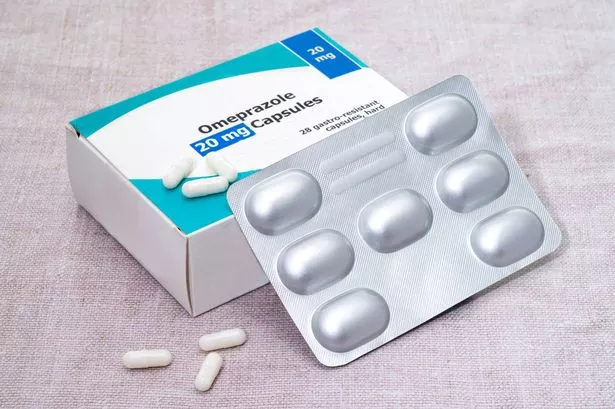 Always speak to your GP or pharmacist if you have any concerns(Image: Getty)
ITV’s resident medic and NHS GP, Dr Amir Khan, has issued a cautionary message to anyone taking a widely used medication called omeprazole. The drug is commonly prescribed to patients dealing with excessive stomach acid, which can trigger issues such as heartburn, acid reflux, and stomach ulcers, amongst other conditions.
Omeprazole is also recognised as a proton pump inhibitor (PPI). It assists in alleviating symptoms and allows damaged digestive tissues an opportunity to heal. Achieving complete symptom relief may require several days to several weeks of consistent use, depending on the ailment being addressed.
Taking omeprazole long-term is generally considered safe for certain health conditions when prescribed by a medical professional. However, there are potential hazards associated with its use, particularly as it can reduce stomach acid levels in the system during extended periods of treatment, according to the Mirror.
Taking to his Instagram profile, where he routinely shares informative and educational health content, Dr Amir Khan alerted his 788k followers about the dangers of prolonged medication use. In the caption, he wrote: “All meds can have possible side effects. Here are some things you need to know and what to do.”
In the video, he explained: “Lots of people are on medication, and for the vast majority, they do a world of good. But sometimes they can bring side effects you might not have expected. So I’m going to share three common ones and, more importantly, what you can do about them.
Content cannot be displayed without consent
“But always remember, don’t just stop your medication suddenly. Always speak to your GP or pharmacist if you have any concerns.”
He went on: “The first ones are PPIs, proton pump inhibitors, like omeprazole or lanzaprazole. People use them for acid reflux, heartburn, those kinds of symptoms. They’re brilliant for settling acid.
“But long-term use can mean your body absorbs less vitamin B12, magnesium and calcium. That can leave some people feeling tired or at risk of weaker bones. You don’t need to panic, but if you’ve been on them for a while, it might be worth checking your vitamin levels.
“But make sure your diet is rich in green leafy vegetables, nuts and dairy. Sometimes you can reduce the dose if your symptoms are well controlled, always while speaking to your GP. And you might be able to use them on and off instead of all the time. Always speak to your GP first.”
 The NHS GP told viewers “here are some things you need to know”(Image: ITV)
For anyone taking omeprazole over-the-counter, the NHS says: “Do not take omeprazole for longer than two weeks if you bought it without a prescription. See a GP if your symptoms get worse or do not get better.”
What health problems can prolonged omeprazole use trigger?
Omeprazole can disrupt your body’s capacity to take in vital nutrients. This could result in a vitamin B12 shortage, potentially leading to nerve problems, mental fog, and lightheadedness.
It may also trigger reduced magnesium levels, otherwise known as hypomagnesemia, which can leave you feeling fatigued, cause muscle spasms, an erratic heartbeat, and potentially seizures. There’s also a risk of becoming deficient in iron and calcium.
This can harm your bones and other bodily functions. Long-term use of omeprazole may also heighten your risk of infections. As stomach acid levels decrease, which typically helps to kill off germs, it could raise the risk of Clostridioides difficile (C. diff) infection. C. diff is a severe gut infection that can cause severe diarrhoea.
Some research also indicates a short-term increased risk of catching pneumonia, but long-term data is mixed. Another risk is bone fractures. Using it for an extended period, such as a year or more, particularly in high doses, has been associated with a higher risk of breaking bones in the hip, wrist, or spine, likely due to reduced calcium absorption.
There’s also an elevated risk of kidney issues, which have been linked to long-term use and have been associated with a higher likelihood of developing chronic kidney disease (CKD). Additionally, there are stomach growths, like fundic gland polyps (which are usually harmless growths on the stomach lining) might form with long-term use.