
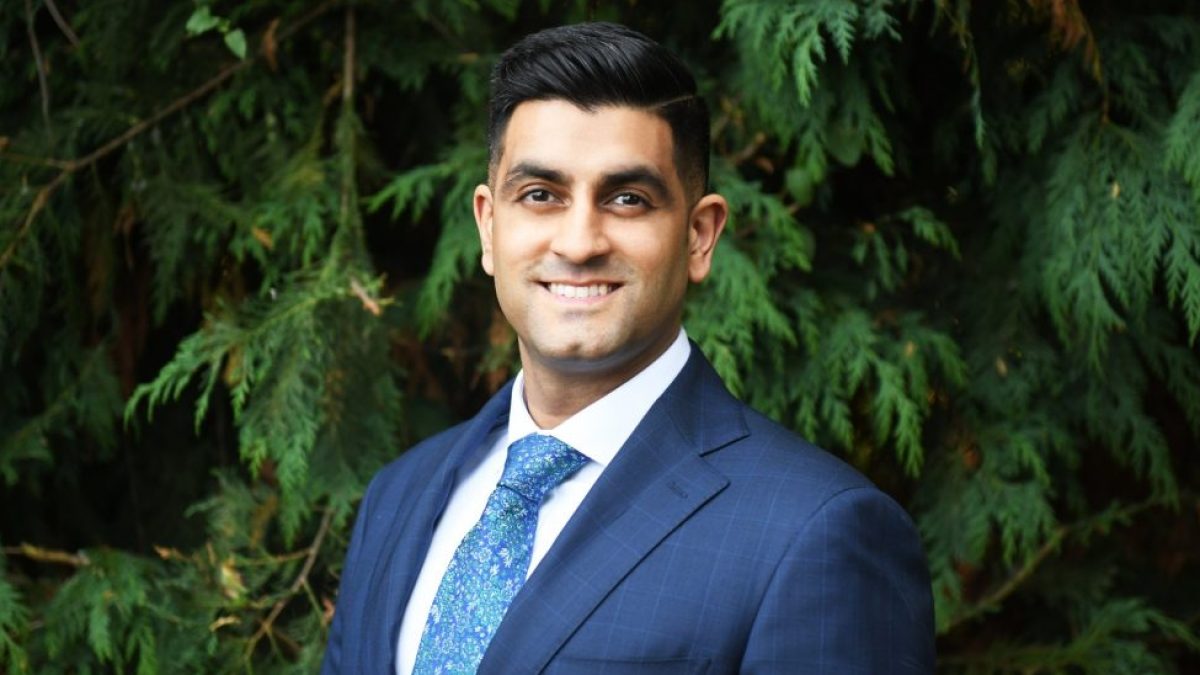
Over half of colorectal cancer cases are preventable. Here, one doctor outlines what they do everyday to reduce their risk
Colorectal cancer is rising in the under-50s. While experts don’t yet know exactly why, some theorise lifestyle factors including obesity, physical inactivity, changes in diet, with an increased focus on ultra-processed foods (UPFs), as well as changes in gut bacteria, could be to blame, says Dr Arif Hussenbux, a consultant gastroenterologist and PB Endoscopist for Buckinghamshire Healthcare NHS Trust.
“The figures are concerning when I’m the one holding the endoscope and breaking the news,” he says, adding that while genetics play an important role, lifestyle has an influence. “Up to 60 per cent of colorectal cancers are preventable. Almost all cancer starts as a polyp, but not all polyps become cancer. Most remain benign, silent passengers. The difference is often the daily choices we make.”
Here, Hussenbux shares how his expertise influences his daily lifestyle choices, from diet to exercise to sleep hygiene and supplements.
New FeatureIn ShortQuick Stories. Same trusted journalism.
I check my poo
Every morning. “What comes out of the back passage is essentially a free and useful clue to your gut health. Hard pellets and straining? A sign you may have constipation. Loose stools with blood and mucus? If it continues, seek a specialist opinion,” Hussenbux says.
“Please don’t be embarrassed. There is nothing you can say about your bowels that will shock any gastroenterologist. We’ve heard it all. The earlier we catch changes, the simpler the solutions. A polyp removed during colonoscopy takes 20 minutes. Stage three colon cancer requires a lot more.”
The kinds of things he’s looking out for, he explains, include pencil-thin stools “which could signal obstruction”, persistent diarrhoea or constipation lasting more than two weeks, blood in the stool (bright red or dark), unexplained urgency, or tenesmus, “that frustrating feeling of incomplete emptying even after a bowel movement”.
Night-time symptoms that wake you are a red flag, he says, as is new incontinence. “Any of these, warrant a conversation with your doctor.”
I start each day with seeds to feed my gut bacteria
For Hussenbux, each morning starts the same way: two tablespoons of ground flaxseed stirred into water, left to soak while he showers. “The soaking releases the mucilage, that gel-like substance that soothes the gut lining and helps the omega-3s become bioavailable [meaning able to have an active effect in the body],” he explains.
“I rotate between flax, chia and pumpkin seeds. Pumpkin seeds bring zinc, crucial for gut barrier function. Hemp hearts add complete protein. Sunflower seeds offer vitamin E. Each seed carries compounds that reduce inflammation and feed beneficial bacteria.”
I drink black coffee every morning
Along with seeds, “I drink a cup of black coffee each morning. The polyphenols in coffee feed Akkermansia muciniphila, a bacterium that strengthens the gut barrier. Regular coffee consumption has been associated with a reduced colorectal cancer risk by up to 26 per cent in some studies. Plus, it improves liver health.”
I eat at least one kiwi a day, it’s ‘nature’s laxative’
Research has linked chronic constipation with an increased risk of colorectal cancer, Hussenbux says. “The pathophysiology behind this is not fully understood. Perhaps when waste lingers, toxins concentrate and inflammation builds.”
With this in mind, he takes a three-pronged attack to stave off constipation: drink enough water, incorporate daily movement – “Even 10 minutes walking stimulates peristalsis,” – and eat more fibre. “In my opinion, kiwis give you the most bang for buck. Each kiwi packs around 2-3g of fibre; plus kiwi fibre holds water exceptionally well, creating bulkier, softer stools that transit faster,” he says. “If you don’t like kiwi, six prunes provide around 3g of fibre plus sorbitol, a natural osmotic laxative, while figs bring ficin, an enzyme that aids digestion.”
I use olive oil for everything
“Cooking, dressing, drizzling, you name it (heat may destroy some of the compounds, however, there is still a net benefit). The polyphenols in extra virgin olive oil actively reshape the microbiome toward anti-inflammatory species,” Hussenbux says, pointing to studies which suggest following a Mediterranean diet rich in extra virgin olive oil is also associated with a reduced cardiovascular risk. “Your arteries literally age slower – it’s liquid gold.”
I eat plenty of cruciferous veg
His favourites include broccoli, Brussels sprouts, cauliflower and kale. “Population studies consistently show reduced colorectal cancer risk with regular consumption. The vitamin K, folate, and vitamin C are bonuses.”
If you experience gas and bloating, that’s the fibre and raffinose fermenting, he explains. “Think of it as your gut bacteria feasting,” Hussenbux says, adding it’s best to start small to build tolerance to avoid too much discomfort.
 “There is nothing you can say about your bowels that will shock any gastroenterologist,” he says
Mixed nuts are my snack of choice
“Nuts are the ideal snack, regular consumption has been associated with a reduced cardiovascular risk. I eat 30g (around a handful) daily,” Hussenbux says. “Almonds lead for vitamin E and fibre content, while walnuts are a rich source of omega-3 fatty acid alpha-linolenic acid (ALA). Two Brazil nuts give you your entire selenium requirement (which supports the immune system and protects against cell damage), while pistachios are a good source of potassium (essential for healthy blood pressure, nerve and muscle function).”
Snacking on nuts, a good source of protein, fibre and healthy fats, really is a “no-brainer,” according to Hussenbux. “They improve endothelial function (which is crucial for maintaining vascular health), reduce oxidative stress, and modestly lower LDL cholesterol.”
I eat plenty of kefir
Fermented foods are great for your gut. “If you’re new to them, start with kefir. It has the most research backing its benefits, including improved lactose digestion, enhanced immune function and reduced inflammatory markers,” Hussenbux says. “For context, kefir contains more than 30 probiotic strains versus yogurt’s two or three. Start with small amounts, around 100ml, and build slowly.”
Unpasteurised sauerkraut (meaning it’s kept in the fridge), aged cheddars (look for ‘contains live cultures’), miso, sourdough bread, kimchi and tempeh all count too.
And full-fat dairy
“Yes, full-fat. Greek yogurt, butter from grass-fed cows. The fat carries fat-soluble vitamins (A, D, E, K) that support immune function and gut healing. More importantly, full-fat dairy contains butyrate, that same short-chain fatty acid your good bacteria produce.”
I take three supplements daily
Omega-3: In an ideal world, Hussenbux says he’d eat oily fish two to four times per week. “Sadly I don’t (but I do try to get close), so I also supplement every day.” As well as the studied cognitive and cardiovascular health benefits, he explains: “Omega-3s reshape the gut microbiome, increasing bacterial diversity and reducing inflammatory species. I take them with breakfast and always with food.”
Vitamin D: “It benefits mood and helps prevent respiratory tract infections and fatigue.”
Creatine (5g daily): “Not just for muscles; emerging evidence suggests it supports muscle and brain health. I mix it with water.”
But he largely avoids probiotic supplements. “I’ll take these very, very sparingly, possibly after travel. For me, food-based probiotics (found in fermented foods) come first. If I had to recommend a probiotic it would be one that survives stomach acid, like Symprove or VSL#3.”
I take my sleep very seriously… 9pm, screens off, 10pm, bed
“Poor sleep decimates the microbiome within days, increasing intestinal permeability, or ‘leaky gut’. Your microbiome has a circadian rhythm, and it syncs with yours. Disrupt one, you disrupt both,” according to Hussenbux.
“I keep the bedroom cool at around 18°C. Darkness is non-negotiable; even small amounts of light interfere with the melatonin that helps regulate gut function. I take magnesium glycinate before bed.”
I lift weights three times a week, run and play badminton
It’s estimated regular exercise cuts your bowel cancer risk by up to 12 per cent. “I strength train three times per week, with one to two sessions of badminton or running. Exercise increases microbial diversity,” he says.
“Consistency is more important than intensity. The gut responds better to regular, moderate movement than sporadic marathons. Your gut produces 90 per cent of your body’s serotonin.”
And what I avoid…
Ultra-processed foods
“Each additive, emulsifier and preservative disrupts the mucus layer protecting your gut wall.”
Fruit juice and sugary drinks
“Liquid sugar feeds pathogenic bacteria and yeast. Whole fruit is best (or blend it into a smoothie, the fibre changes everything).”
Red and processed meat
“I eat red meat once a week, maximum. The heme iron and compounds formed during cooking increase colorectal cancer risk. When I do indulge, it’s grass-fed, paired with a large salad. The chlorophyll helps neutralise harmful compounds.”
Trans fats
“Hidden in most takeaways, baked goods and anything ‘partially hydrogenated’, trans fats are inflammatory and can alter gut permeability.” For this reason, he tries to cook from home as much as possible “to control ingredients”.
Alcohol
“I avoid alcohol completely. Alcohol is a group one carcinogen, in the same category as tobacco. It’s terrible for the liver, too.”
Smoking
“I have never smoked. It doubles colorectal cancer risk and destroys the gut microbiome.”