
There’s growing awareness that microplastics are building up in our bodies – research shows that the amount present in human brains has doubled in less than a decade.
We still don’t know what effect this is having on human health, though correlations have been drawn between microplastic exposure and dementia, and falling sperm counts.
I’ve been growing steadily more curious, and alarmed, about how much plastic has been quietly accumulating inside my own body. And I’m not the only one: since at-home testing arrived in 2023, thousands of people in the UK and US have used the technology to find out the level of microplastics they’re carrying around.
New FeatureIn ShortQuick Stories. Same trusted journalism.
“With recent studies detecting microplastics in human blood, lungs, and even placental tissue, people are understandably anxious about what’s in their bodies,” says Dr Nirusha Kumaran, GP and chief medical officer at Founders Health longevity clinic.
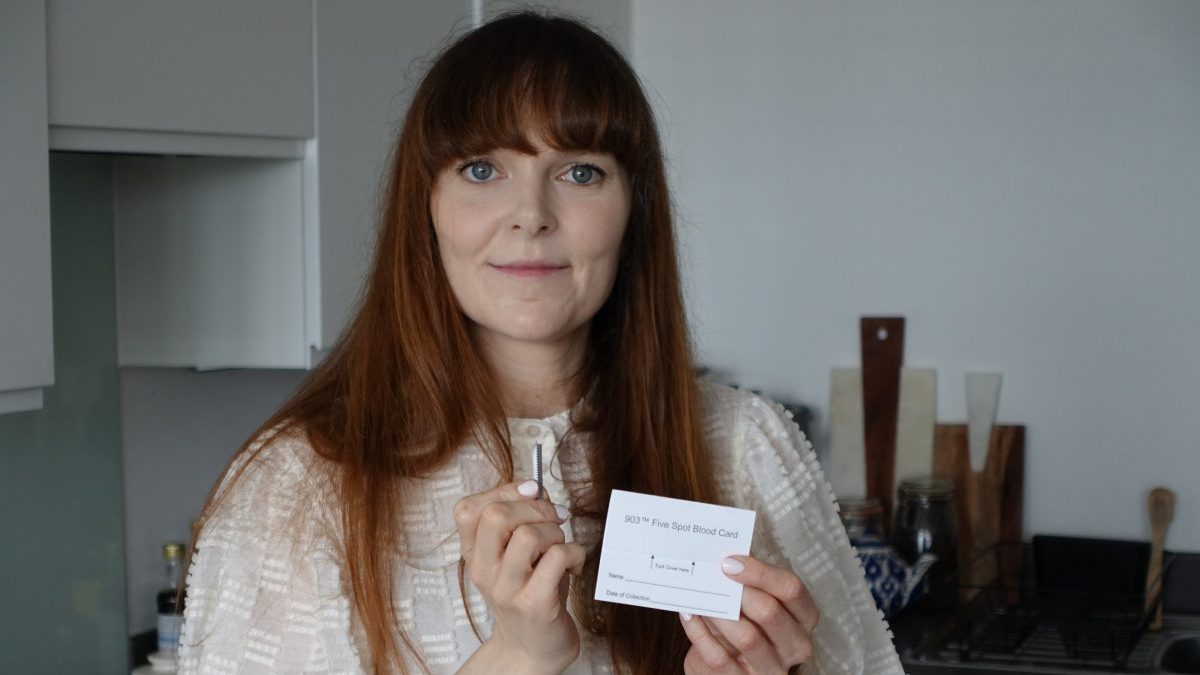
I order a test from Plastictox, which costs £144 and is a simple finger-prick test that takes around 10 minutes: you just need to squeeze a few drops of blood onto a testing card, and send it off to the lab in the Netherlands.
Having given up unnecessary single-use plastics like cling film and plastic water bottles years ago, I naively thought I’d be on the lower side. But when I received my results by email two and a half weeks after taking the test, I’m flummoxed to see that my sample contained 50 microplastic particles. A chart shows this is high compared with other people who have been tested around the world: only 7.09 per cent of tests showed higher concentrations of microplastics than mine.
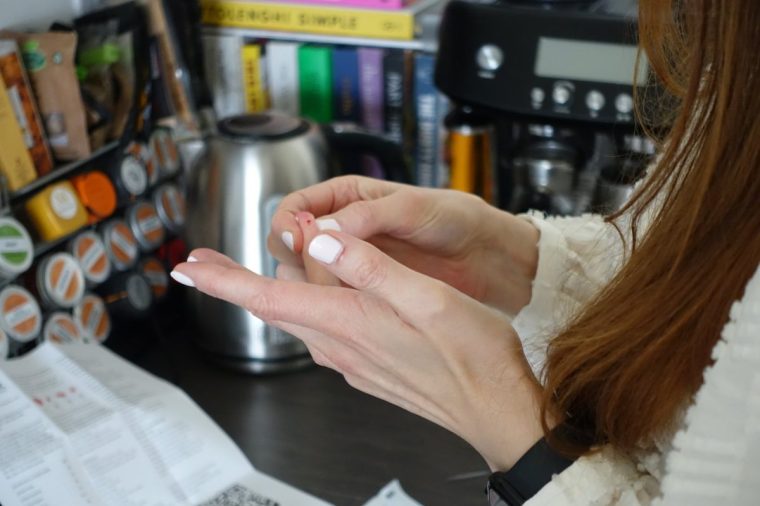 Clare took a finger prick blood test which is analysed for the presence of microplastics
My results are split into three categories based on particle size. The largest (30-70μm) are believed to make their way directly into the blood through, for example, intravenous medication or blood transfusions. My results showed seven of these larger particles; I’m guessing these came from a hospital stay earlier this year for back surgery.
The smallest (less than 10 μm) are believed to enter the body through breathing. My test shows I have five of these. But the vast majority of mine – 38 of them – are mid-sized (10-30μm), believed to be introduced through the “blood-gut barrier” via food and drink.
I ask Kumaran if I should be worried. “Early research suggests microplastics could contribute to inflammation, oxidative stress and hormone disruption, all of which are linked to long-term health concerns. We don’t yet know the full extent of their impact but it is clear that chronic, low-level exposure isn’t ideal for human health.
“However, rather than cause alarm, this is a ‘call to action’ for more research, better regulation, and conscious lifestyle choices that reduce our overall toxic load.”
She says it’s a positive that mine are mostly mid-sized, given that the smallest particles are the most harmful. These are the particles found in the air, particularly in cities like London. “The tiny plastics can cross the blood-brain barrier and get deposited in our brain.”
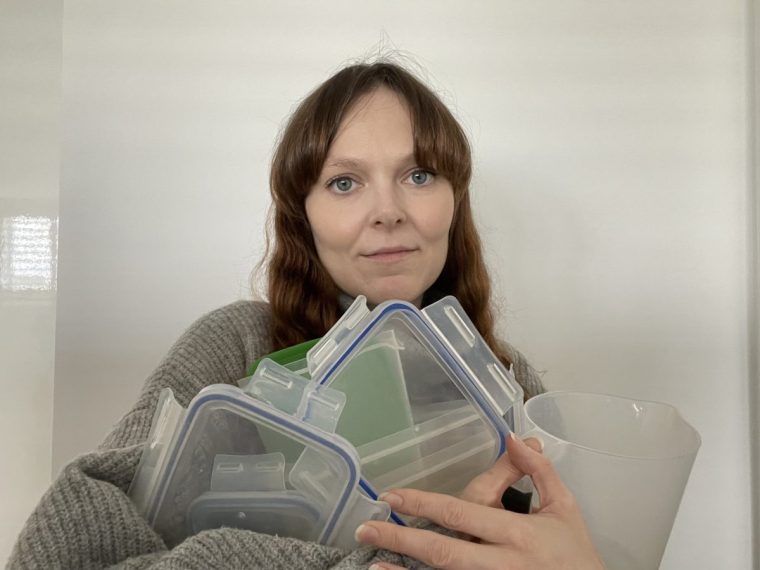 After her results found high levels of microplastics, Clare made some swaps in her kitchen
So what are the potential culprits for all those mid-sized particles? Kumaran recommends that I ditch my non-stick pans for another option, stop storing anything hot in plastic containers (in fact, stop using plastic containers wherever possible) and to make sure any tinned food comes in BPA-free cans, especially when it comes to acidic foods such as chopped tomatoes (the acidity raises the risk of chemicals leaching from the container).
Kumaran adds that at-home tests like the one I took should be marketed as tools for awareness. “Unfortunately, it is just the case that we’re all carrying around microplastics, which do stay in our systems. They are forever chemicals. People have a right to understand their exposure levels, but it is important to couple the testing with expert guidance, not just raw data.”
Michael Coleman, professor of toxicology at Aston University, agrees that more research needs to be done and that at-home test results should be read in the context that microplastics are now ubiquitous. “Regarding blood levels, what is high and low and what is more or less dangerous, are not really properly aligned yet. Overall, we do have a problem, and it is already inside all of us and has been since we were children,” he says.
“We cannot remove microplastics. Because we cannot destroy them and there is no means to remove them from cells, they just sit there and cause problems,” he says.
“Humans can withstand toxin pressure to a remarkable degree, but even the best defence systems can be defeated eventually. With plastics, unless we act to sort this, I think we might have added something to our lives which will shorten them significantly in the long run.”
Coleman’s top tip? “Never, ever drink from a plastic bottle again for the rest of your life. They contain thousands of times more plastic than tap drinking water.”
These conversations are enough for me to want to make some lifestyle changes. Kumaran’s advice is to follow a healthy high-fibre diet, which can reduce the likelihood of microplastics we consume being absorbed by the gut.
I replace plastic cooking utensils – such as our old measuring jug – with a glass one, and my collection of old plastic tupperware before with some stoneware Hokan Bowls, from £25, which are microwave and freezer-safe. I also learn that my bog-standard Brita water filter doesn’t filter out microplastics (though their top-of-the-range ones do). I swapped mine for a Tappwater PitcherProb for £55.90.
Given that microplastics are everywhere, small changes sound like the best way to go in order not to get totally obsessed or overwhelmed. Remembering Kumaran’s advice, I set myself reminders to keep on making more small changes – including phasing out any plastic utensils and non-stick pans – in the coming months, and then go from there.
How to cut microplastics exposure
• Use water filters that eliminate microplastics from tap water
• Buy an air purifier for the room you sleep in
• Replace non-stick cookware with stainless steel saucepans
• Invest in a vacuum cleaner with a HEPA filter, which can trap airborne microplastics
• Choose stoneware, glass or stainless steel containers to store food and drink
• Replace plastic utensils with wooden ones
• Avoid heating food in plastic containers – heat convenience food in glass instead
• Look for brands that use BPA-free tins in the supermarket, particularly for tinned tomatoes
• Limit ultra-processed foods, which often contain more microplastics
• Swap personal care products, for example, shampoo and toothpaste, for plastic-free options
• Ditch the tumble dryer, which emits microplastics into the air