

“Getting jacked” has always been shorthand for building significant, visible muscle while staying lean enough for that muscle to actually show. In 2026, the goal has not changed, but the way we approach it has.
The last two decades of resistance training, nutrition, and recovery research have given us a far clearer picture of what actually drives muscle hypertrophy and strength, and what is mostly noise.
This article is written for people who train seriously, not for beginners looking for motivational quotes or extreme shortcuts. Every recommendation below is grounded in peer-reviewed research. The tone is practical, the explanations are simple, and the goal is straightforward: help you build more muscle, more efficiently, over the next year and beyond.
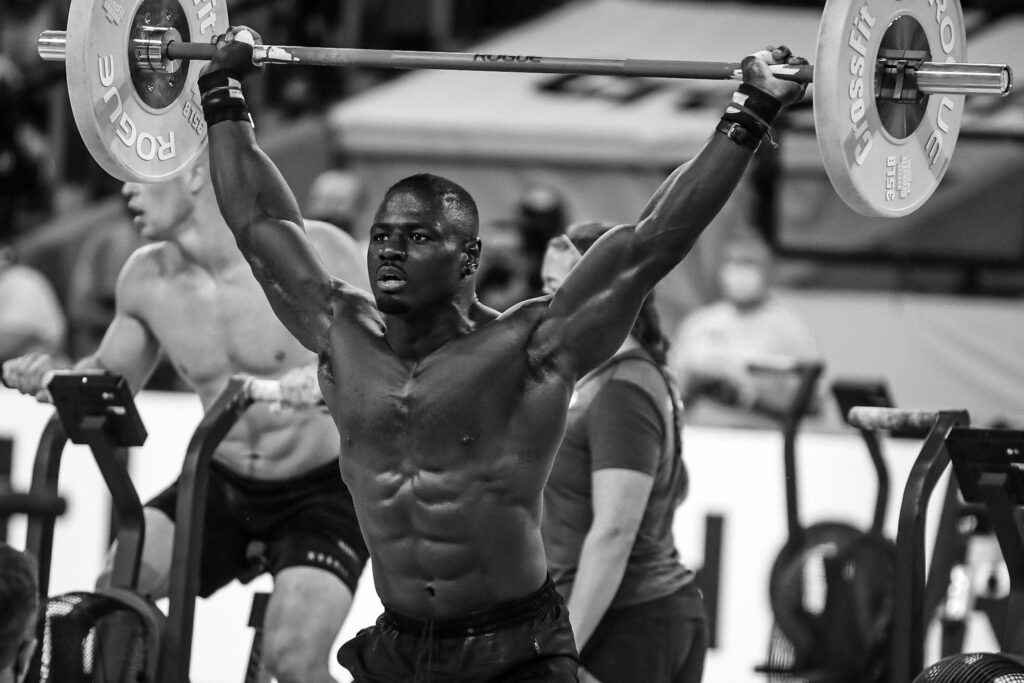
Getting jacked is not about novelty. It is about doing a small number of evidence-based things consistently, at a level of effort most people never maintain for long enough. The five tips below represent the strongest pillars of modern hypertrophy science: training volume and effort, progressive overload, protein and energy intake, recovery and sleep, and long-term consistency.
Tip 1: Train With Enough Volume and Proximity to Failure
Why volume is the primary driver of hypertrophy
Muscle growth occurs when the rate of muscle protein synthesis exceeds muscle protein breakdown over time. Resistance training is the main stimulus that increases muscle protein synthesis, but not all training produces the same effect. Research consistently shows that training volume, usually measured as hard sets per muscle group per week, is one of the strongest predictors of hypertrophy.
Meta-analyses comparing low-volume to higher-volume training demonstrate a clear dose–response relationship, with greater muscle growth occurring as weekly set volume increases, at least up to a point. Schoenfeld and colleagues found that performing 10 or more sets per muscle group per week resulted in significantly greater hypertrophy than fewer than 5 sets per week, with 5–9 sets falling in between (Schoenfeld et al., 2017).
This does not mean “more is always better.” Very high volumes can lead to excessive fatigue, reduced performance, and poorer recovery, which ultimately limit growth. Most trained individuals appear to grow best in the range of roughly 10–20 hard sets per muscle group per week, adjusted based on training age, genetics, and recovery capacity.
Training close to failure actually matters
Volume alone is not enough. The sets must be hard. Hypertrophy is strongly linked to the recruitment of high-threshold motor units, which innervate fast-twitch muscle fibers with the greatest growth potential. These motor units are recruited either by lifting heavy loads or by taking lighter loads close to muscular failure.
Studies comparing training to failure versus stopping far from failure show that sets performed with multiple repetitions in reserve produce less hypertrophy, even when volume is matched. Research by Lacerda et al. demonstrated that stopping sets with 3–4 repetitions in reserve resulted in less muscle growth than sets taken to momentary failure (Lacerda et al., 2020).
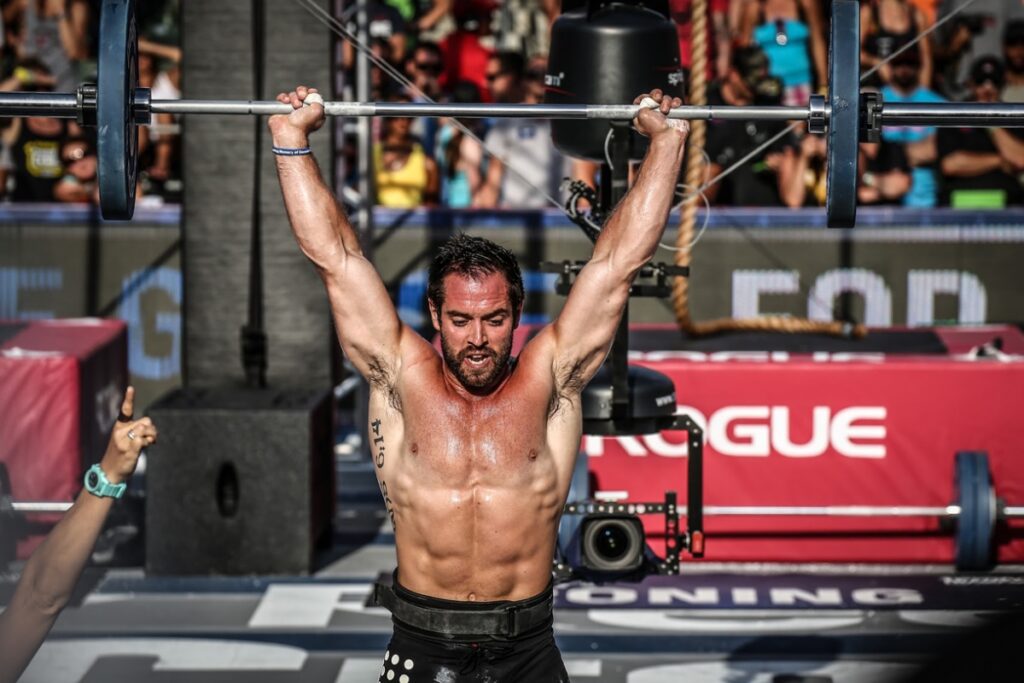
However, training to absolute failure on every set is not required and may be counterproductive due to increased fatigue. Most evidence suggests that training within 0–2 repetitions of failure on the majority of working sets provides a strong hypertrophic stimulus while still allowing adequate recovery.
Practical application in 2026
For most lifters aiming to get jacked in 2026, this means:
– Train each major muscle group 2–3 times per week.
– Accumulate 10–20 hard sets per muscle group weekly.
– Perform most sets within 0–2 reps of technical failure.
– Use loads that allow 5–30 repetitions per set, as hypertrophy has been shown to occur across a wide repetition spectrum when effort is high.
This approach aligns with modern evidence and avoids both extremes: minimalist training that lacks stimulus, and excessive volume that cannot be sustained.
Tip 2: Progressive Overload Is Non-Negotiable
Muscle adapts only when demands increase
Muscle hypertrophy is an adaptive response. If the training stimulus does not gradually increase, the body has no reason to build additional muscle tissue. Progressive overload simply means increasing the demands placed on the muscle over time, forcing continued adaptation.
Research consistently shows that increases in training load over time are associated with greater strength and muscle gains. A longitudinal study by Rhea et al. demonstrated that programs incorporating systematic load progression produced superior outcomes compared to non-progressive programs (Rhea et al., 2003).
Overload does not mean adding weight to the bar every session forever. It means creating a trend of increasing mechanical tension over weeks and months.
Different forms of overload
Mechanical tension is the primary driver of hypertrophy, but it can be increased in several ways:
– Increasing load while keeping reps constant
– Increasing reps with the same load
– Increasing the number of sets at the same intensity
– Improving exercise execution, such as greater range of motion or slower eccentrics
Studies comparing full versus partial range of motion have shown greater hypertrophy when exercises are performed through longer muscle lengths, likely due to higher mechanical tension and muscle damage (McMahon et al., 2014). This means improving technique itself can function as overload.
Tracking performance matters
One reason many people stall is that they do not objectively track performance. Without records, it is easy to train hard but not progressively. Evidence from behavioral research shows that monitoring performance increases adherence and outcomes in training programs (Van Hoye et al., 2015).
In practical terms, progressive overload in 2026 should look like:
– Logging sets, reps, and loads for main lifts
– Aiming for small improvements weekly or biweekly
– Accepting periods of maintenance during fat loss or high stress
Progression does not need to be aggressive. Even adding 2.5–5 lb to a lift every few weeks compounds dramatically over a year.
Tip 3: Eat Enough Protein and Calories to Support Growth
Protein intake sets the ceiling for muscle growth
Resistance training stimulates muscle protein synthesis, but dietary protein provides the raw materials. Without sufficient protein, muscle growth is blunted regardless of training quality.
Meta-analyses indicate that protein intakes of approximately 1.6 g per kg of bodyweight per day maximize gains in fat-free mass for most individuals, with potential benefits up to around 2.2 g per kg in some cases (Morton et al., 2018).
Higher protein intakes appear particularly important during energy restriction, aging, or very high training volumes, as protein breakdown is elevated under these conditions.
Distribution matters, but total intake matters more
Research suggests that spreading protein intake across the day, with doses of 20–40 g per meal, maximally stimulates muscle protein synthesis multiple times per day (Areta et al., 2013). However, total daily intake is the primary determinant. Perfect timing cannot compensate for inadequate overall protein.
The often-debated “anabolic window” is far less narrow than once believed. Studies show that protein consumed before or after training supports hypertrophy, with overall daily intake being the dominant factor (Schoenfeld et al., 2013).
Calories drive the rate of gain
Muscle can be built at maintenance calories, particularly in beginners, but a sustained caloric surplus increases the rate of hypertrophy. Energy availability influences anabolic hormone levels and the body’s willingness to invest resources in new tissue.
Research comparing hypocaloric, eucaloric, and hypercaloric diets consistently shows greater lean mass gains in a caloric surplus when training volume is sufficient (Garthe et al., 2013).
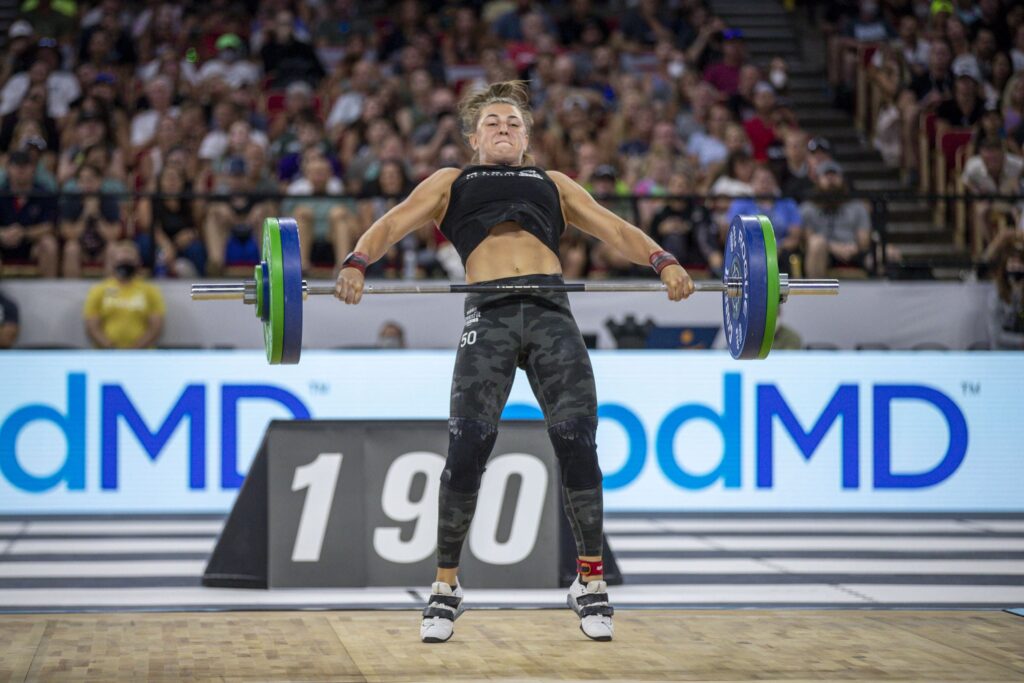 Source: Photo courtesy of CrossFit Inc.
That said, the surplus does not need to be large. A modest surplus of 200–400 calories per day appears sufficient to maximize muscle gain while minimizing fat accumulation in trained individuals.
Practical nutrition targets
To support getting jacked in 2026:
– Protein: 1.6–2.2 g per kg of bodyweight per day
– Calories: slight surplus during muscle-building phases
– Carbohydrates: sufficient to support training performance and volume
– Fats: adequate for hormonal health, typically 20–35% of total calories
This approach is simple, sustainable, and well supported by research.
Tip 4: Prioritize Sleep and Recovery Like Training Variables
Sleep is a powerful anabolic regulator
Sleep is not passive rest. It is an active physiological process that regulates hormone secretion, nervous system recovery, and tissue repair. Chronic sleep restriction has been shown to reduce testosterone levels, increase cortisol, and impair muscle protein synthesis.
A controlled study by Dattilo et al. found that sleep deprivation negatively affects muscle recovery and increases markers of muscle breakdown (Dattilo et al., 2011). Another study demonstrated reduced muscle protein synthesis after just a few nights of restricted sleep, even when protein intake was adequate (Saner et al., 2020).
More training is not always better
Recovery capacity places an upper limit on productive training volume. Exceeding this limit leads to stagnation or regression. Overreaching without adequate recovery increases injury risk and reduces training quality.
Research on resistance training frequency shows that similar hypertrophy can be achieved with different splits as long as volume is equated and recovery is sufficient (Schoenfeld et al., 2016). This suggests that how you distribute work matters less than whether you can recover from it.
Active recovery and stress management
Psychological stress influences recovery through hormonal and neural pathways. Elevated stress increases cortisol, which can interfere with muscle growth when chronically elevated. Studies in sports science populations show that stress management strategies correlate with improved training adaptations (Kellmann et al., 2018).
Active recovery methods such as light aerobic work, mobility training, and low-intensity movement can improve blood flow and subjective recovery without impairing strength gains when appropriately dosed.
Practical recovery guidelines
For maximal hypertrophy:
– Aim for 7–9 hours of sleep per night
– Maintain consistent sleep and wake times
– Deload volume periodically, especially after high-stress blocks
– Monitor performance and motivation as recovery indicators
Recovery is not optional. It is a limiting factor that determines how much productive training you can tolerate.
Tip 5: Be Relentlessly Consistent Over Years, Not Weeks
Muscle growth is slow, even when done right
One of the most important, yet least appreciated, findings in hypertrophy research is how slowly muscle is actually built. Longitudinal studies suggest that trained individuals may gain only 0.25–0.5 kg of lean mass per year under optimal conditions (Phillips and Winett, 2010).
This does not mean progress is invisible, but it does mean that short-term thinking undermines long-term results. Program hopping, extreme bulks and cuts, and frequent layoffs all reduce cumulative progress.
Consistency beats optimization
Research on skill acquisition and long-term adaptation consistently shows that adherence predicts outcomes better than minor differences in program design (Mann et al., 2016). A “good enough” program followed for years will outperform a theoretically optimal program followed sporadically.
This is particularly relevant in 2026, where information overload can make lifters feel perpetually behind. The science is clear: basic principles applied consistently drive results.
Periodization supports sustainability
Periodization, the planned variation of training variables over time, helps manage fatigue and maintain motivation. Studies comparing periodized and non-periodized programs often show superior strength and hypertrophy outcomes with some form of planned variation (Grgic et al., 2017).
Periodization does not require complexity. Simple approaches such as alternating accumulation and deload phases, or cycling rep ranges across blocks, are sufficient.
The long game
Getting jacked is not a 12-week transformation. It is a multi-year project. The lifters who look exceptional in 2026 are not doing anything magical. They are training hard, eating enough, sleeping well, and repeating that process for a very long time.
Conclusion
The science of muscle growth has matured. We now know with high confidence what works and what does not. Getting jacked in 2026 is about respecting evidence, avoiding extremes, and executing fundamentals with patience.
Train with sufficient volume and effort. Progress your lifts over time. Eat enough protein and calories. Sleep and recover like it matters, because it does. Above all, stay consistent long enough for these inputs to compound.
None of these tips are flashy. All of them work.
About the Author

Robbie Wild Hudson is the Editor-in-Chief of BOXROX. He grew up in the lake district of Northern England, on a steady diet of weightlifting, trail running and wild swimming. Him and his two brothers hold 4x open water swimming world records, including a 142km swim of the River Eden and a couple of whirlpool crossings inside the Arctic Circle.
He currently trains at Falcon 1 CrossFit and the Roger Gracie Academy in Bratislava.
Was this article helpful?