

Products featured in this Yahoo article are selected by our shopping writers. We will earn a commission from purchases made via links in this article. Pricing and availability are subject to change.

Creatine has quietly moved into the mainstream, with growing interest around its role in muscle loss, brain health and ageing – particularly for women in midlife.
(Brothers91 via Getty Images)
Creatine has become a staple for gym-goers in recent years, with the compound being attributed with improved muscle energy and brain health.
But it’s not just bodybuilders and athletes – it has slowly but surely become more mainstream, thanks to the power of social media and anti-ageing claims.
Creatine’s a compound produced by the body. It’s a natural energy source that supports your muscles, especially during workouts. There’s also evidence suggesting it can help with post-exercise recovery and potentially reduce the risk of injury.
When it comes to your brain specifically, creatine has been found to improve short-term memory and reasoning and to help keep brain cells healthy.
Creatine has also been linked to improved strength in post-menopausal women (more on that below) and increased bone density, and is therefore believed to help with ageing.
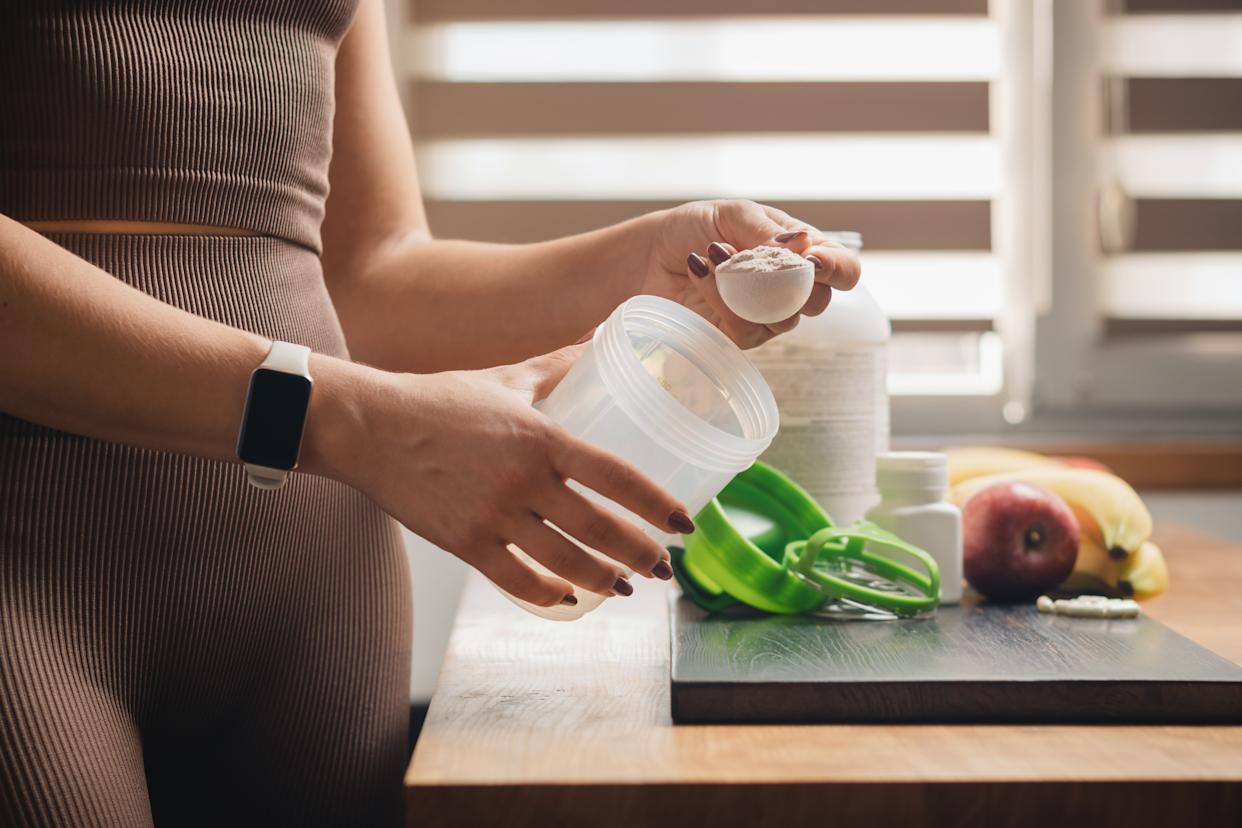
Creatine can not only enhance muscle strength, but it may also boost your brain.
(Farion_O via Getty Images)
Roughly 1-2 grams of your daily creatine supply comes from your diet, and your body produces the rest in your liver, kidneys and pancreas. Around 95% goes to your skeletal muscles to use during physical activity, and what’s left goes to your heart, brain and other tissues.
If you’re a gym-goer, you’ve likely heard the term a lot when pumping iron. That’s because there’s been a real uptick in the amount of manufactured supplements and powders, geared towards enhancing workout performance and muscle definition.
These can come in the following forms:
“It’s become so popular in recent years because it helps build strength,” celebrity personal trainer and fitness influencer, Peter Maciver (also known as PMac), explains to Yahoo UK. “The more strength you build, the more muscle you can build. And the more muscle you build, the more fat you can burn.”
Natural sources of creatine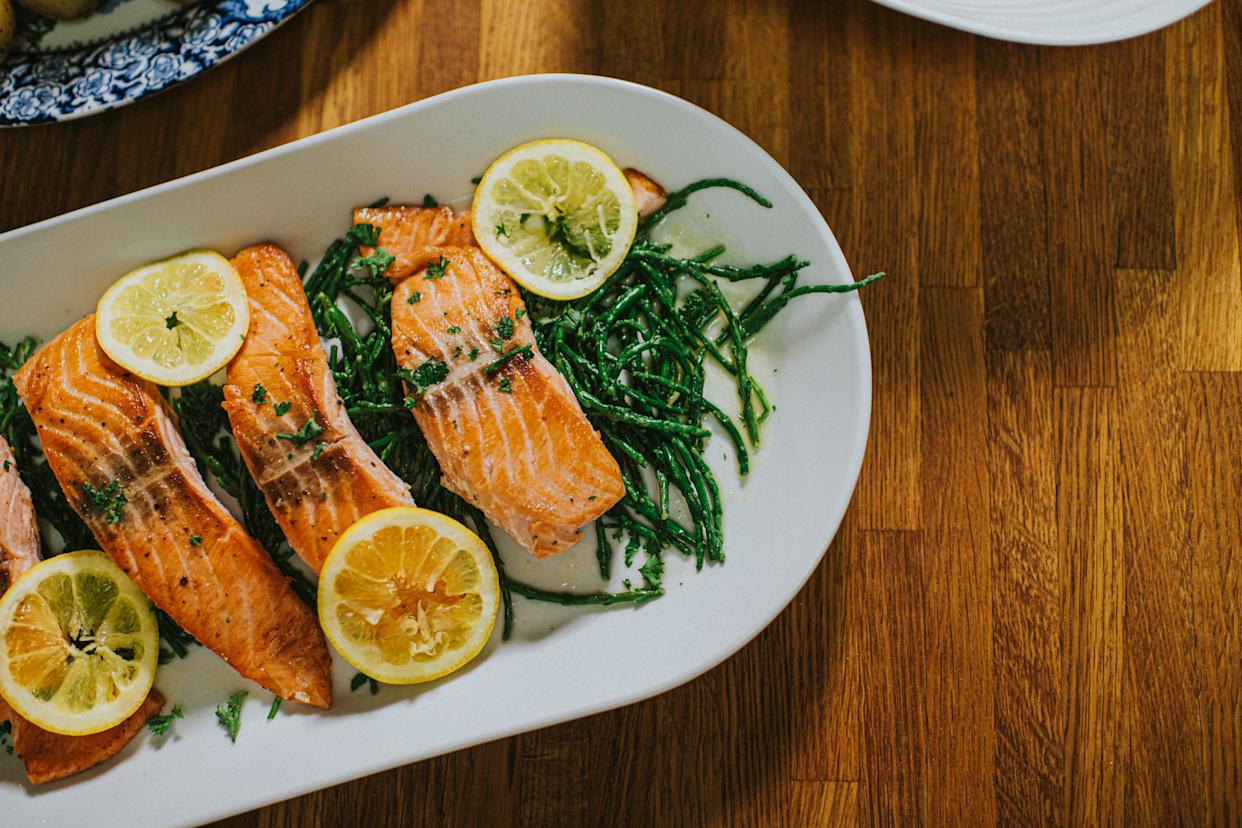
Creatine can be found in certain foods, such as salmon, herring and red meat.
(Catherine Falls Commercial via Getty Images)
Creatine can be sourced in various foods, including:
Meat, such as pork and beef
Fish, such as herring, salmon, plaice and tuna
Typically, you’ll find about 4–5g of creatine per kilo of raw meat. There’s significantly less in cow’s milk.
How to take creatine powder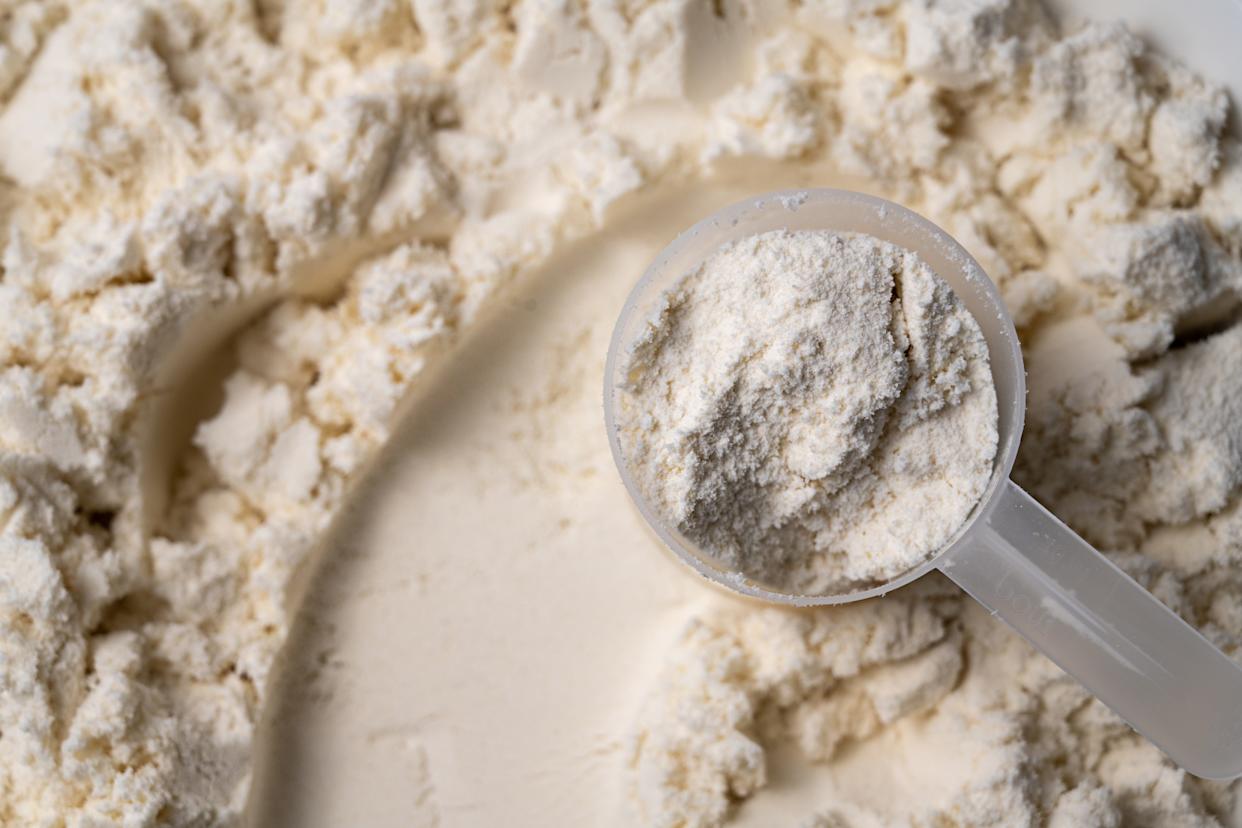
Maciver says powder is the best way to take creatine supplements.
(Gingagi via Getty Images)
While there are different forms of creatine supplements out there, Maciver recommends sticking to powders – and unflavoured ones at that.
“I would avoid gummies because there are added sweeteners and artificial flavourings to make them taste nice,” he advises. “When it comes to taking plain creatine powder, you want to add one scoop of it to approximately 200-250ml of water, shake well, then drink straight away,” the expert continues. “You should also take it every day for consistency.”
Most creatine powders come with their own little scoop, but if not, they generally hold 3–5g of powder.
Maciver says the best time to take creatine is in the morning. “I always recommend my clients take their supplements in the morning. That way, they won’t disturb their sleep,” he explains.
Another perk of taking it in the morning is that it becomes a consistent part of your routine, and you get it out of the way before you start your day.
How long does it take for creatine to work?
The PT recommends taking creatine daily to boost both your strength and brain.
(Philaiwan Wongnathi via Getty Images)
According to Maciver, you’ll start to really notice the difference within two weeks of taking creatine; however, there is a caveat to that.
“You have to actually push yourself at the gym, make sure you’re eating right and sleeping well. If you’re going to the gym and still doing exercises that make you feel comfortable, you could be taking creatine and not really noticing a difference,” he warns.
“But if you do all those things and have everything in place, then take creatine, you’ll notice its impact – you’ll start noticing how lifting heavier weights becomes ‘easier’. Sometimes, I’ll go to the gym thinking I’ll be able to do six reps, but end up doing 10. You may think you’ll do less, but actually, you can do a lot more.”
Creatine for men and women
While you may see powders and supplements specifically targeted at women, Maciver says that’s just marketing, and there’s no actual difference in how men and women should take creatine.
“What I will say is that creatine can have a positive impact for women during their cycle. It can help boost your energy levels if you’re feeling sluggish and don’t want to go to the gym. Of course, if you need to, you should take a break. But if you take creatine consistently, you may find you can do more than you initially thought,” the expert says.
He also says that women aged 35+ will especially benefit from taking creatine, as it helps build muscle and counteracts some of the natural decline.
Although it is true that everyone loses muscle mass from 40 onwards, the menopause can exacerbate this in women. “I believe that women from the age of 35 onwards should focus on building muscle more than other goals for this exact reason,” the PT adds.
Potential side-effects
Some potential side effects of creatine include:
Weight gain: As creatine can cause your muscles to retain water, this may artificially inflate your weight. It’s not fat gain.
An upset stomach: If you have high doses of creatine, it can cause an upset stomach, leading to diarrhoea and/or flatulence.
Headaches: You may have heard the term “creatine headaches”. While creatine is a contributing factor, it’s not entirely the cause. Creatine draws water into the muscle, which can shift hydration levels and trigger headaches if you’re not consuming enough water.

It is often claimed that creatine causes muscle cramps.
(Oleg Breslavtsev via Getty Images)
Common myths include:
Muscle cramps: Some people claim that creatine consumption has led to muscle cramps. However, a 2008 review found insufficient evidence linking creatine with increased cramping.
Dry mouth and dehydration: Similarly, it has previously been purported that creatine can cause dehydration. This was based on recommendations from the American College of Sports Medicine to avoid the supplement when exercising in hot environments, using limited data and information. However, a 2021 paper found that neither experimental nor clinical research validated these concerns.
Hair loss: This randomised controlled trial, which included 45 participants and examined the effects of creatine and a placebo on hair growth parameters over a 12-week period, found no significant difference between the two groups.
The best creatine to buy in 2026
There isn’t a whole load of difference between brands, which is reassuring, especially for those on a budget. However, Maciver says one of his personal favourites is Optimum Nutrition.