

A quarter of UK adults are affected by acid reflux, and NHS GP Dr Punam Krishan has warned that those prescribed omeprazole and other PPIs need regular medical reviews to avoid potential side effects from long-term use.Charlotte Smith Senior Lifestyle Content Editor, Robert Rowlands Deputy editor, Money and lifestyle hub and Dan Grennan Audience Writer
09:53, 08 Feb 2026Updated 10:53, 08 Feb 2026

Dr Punam Krishan issued the warning(Image: BBC)
BBC Morning Live’s Dr Punam Krishan has issued a warning to individuals taking proton pump inhibitors (PPIs) such as omeprazole for heartburn, acid reflux and indigestion. Throughout the UK, one in four adults suffers from acid reflux, with countless people experiencing episodes during their lives, frequently sparked by large meals.
For those battling ongoing symptoms, GPs may prescribe PPIs like omeprazole to ease discomfort. Nevertheless, Dr Punam has emphasised the necessity for vigilance on this treatment, especially for prolonged durations, underlining the vital importance of routine medical check-ups.
Dr Punam works as an NHS GP and acts as the resident medic on BBC’s Morning Live, reports the Mirror. She also functions as a media doctor, health presenter, and authors children’s books.
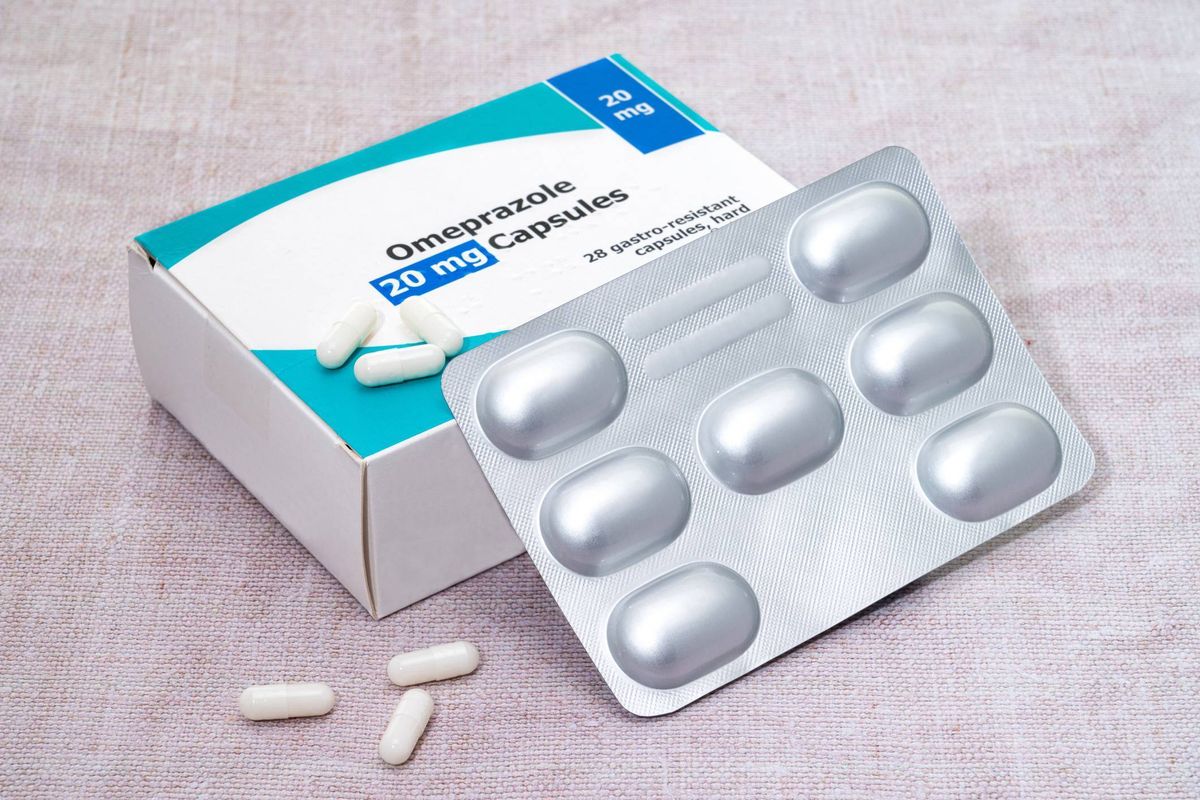
Omeprazole pills are commonly used in Britain (stock)(Image: Getty)
Speaking to BBC Morning Live presenters Gethin Jones and Helen Skelton, the healthcare expert commenced her caution by explaining to viewers what acid reflux involves.
She said: “Acid reflux is all about what happens in your stomach. So we all have acid in our stomach and it has a very important role. The role of that is to break down and digest the food. Now, at the top of the stomach, we have a little valve, a sphincter, and it acts like a trapdoor.
“And its job is to basically seal the contents so the acid is not essentially tracking back up the food pipe, your oesophagus. However, if that sphincter, that valve, becomes too loose, it can become very relaxed by things like heavy meals.
“If you’ve had alcohol, if you lie down straight after having a heavy meal, that can actually mean that that acid from the stomach can end up creeping back up the food pipe and cause that heavy pressured burning sensation that people get.”
When presenter Gethin enquired: “What about the most common ways to treat it then?” Dr Punam outlined the various treatment options available.

Omeprazole can be prescribed or sometimes purchased without a prescription(Image: Getty Images)
During the programme, which was broadcast late last year but whose guidance remains applicable today, she explained: “So there are lots of different things that we can do. If, of course, you’re having it just every now and then, then lots of people do get antacids or basically medications like alginates. Examples of that include Gaviscon. And these basically help to just kind of neutralise the acid. They’re very effective and you can just use them as and when needed.”
For more persistent discomfort, she explained that GPs frequently prescribe proton pump inhibitors, commonly known as PPIs, including omeprazole and lansoprazole.
“If the discomfort is persistent, we often prescribe proton pump inhibitors, PPIs for short. Examples of these are omeprazole, lansoprazole. And these are incredible and have really transformed the way that we treat acid reflux. They essentially help to treat the acid production at the source.”

Omeprazole can cause a numebr of serious side effects(Image: Getty Images)
The NHS doctor issued a caution to PPI users, stating: “Essentially these medications aren’t there to be used unnecessarily or for a long period of time. They do require us to review them. And that’s because if used over a long period of time, they can slightly increase your risk of things like low magnesium, low vitamin B12, but also increase the risk of gut infections, particularly Clostridioides difficile. We call that C. diff for short.”
Highlighting the crucial need for regular check-ups amongst long-term PPI patients, Dr Punam added: “Now, we have this bacteria in our bowel, you and I, we all have it, and it lives in balance. However, medications like PPIs can tip that balance. And if you get overgrowth of this bacterium, it can cause persistent diarrhoea. That is a red flag.
For the latest breaking news and stories from across the globe from the Daily Star, sign up for our newsletters.