
Health experts have warned those affected to limit their intake
Charlotte Smith Senior Lifestyle Content Editor
10:53, 10 Feb 2026Updated 10:53, 10 Feb 2026
Millions of people in the UK have the medical condition, and the sweet can cause more issues (stock image)(Image: Getty)
Millions of people across the UK are being advised to limit their consumption of a popular type of sweet. The warning comes from a health expert regarding a common medical condition, echoing guidance previously issued by the NHS.
Around one in three people in the UK currently suffer from high blood pressure, also known as hypertension. The British Heart Foundation reports that high blood pressure, frequently referred to as a ‘silent killer’, affects approximately 16 million adults in the UK as of 2025.
Blood Pressure UK estimates that five million UK adults aged 18–64 may be living with undiagnosed high blood pressure, putting them at greater risk of heart attack, stroke, and kidney disease, amongst other conditions. Unhealthy eating habits and poor lifestyle choices are driving up hypertension rates among younger adults in their 30s, 40s, and 50s.
High blood pressure is dubbed a ‘silent killer’ because it typically presents no symptoms while quietly damaging blood vessels. This can lead to severe and potentially fatal complications such as strokes, heart attacks, and kidney failure.
Many people remain unaware they have the condition until significant damage has occurred, highlighting the importance of regular blood pressure monitoring, reports the Mirror.
High blood pressure is one of the leading preventable causes of death in the UK, making self-monitoring essential. Regular testing increases the likelihood of managing the condition effectively and preventing avoidable premature deaths.
Why should those with high blood pressure limit black liquorice?
Those suffering from high blood pressure are advised to avoid or significantly limit their consumption of black liquorice. This well-liked sweet contains glycyrrhizic acid, which prompts the body to retain sodium and water while excreting potassium. This can lead to increased blood pressure, fluid retention, and potential heart complications. Even a small amount can affect those who are sensitive to it.
In a recently posted video, Dr Eric Berg, DC, cautioned that people with high blood pressure should refrain from consuming liquorice. Consuming large quantities of liquorice can deplete your body’s potassium levels, potentially leading to elevated blood pressure.
He warned that overconsumption could result in sodium retention and potassium loss, potentially causing muscle cramps and heart arrhythmias. Dr Berg specialises in healthy ketosis and intermittent fasting. He is also the Director of Dr Berg Nutritionals and the author of the best-selling book The Healthy Keto Plan.
He further noted: “Liquorice is commonly consumed in tea and candy, and some people take liquorice root for adrenal health. Liquorice contains a compound called glycyrrhizin, which blocks an enzyme in your body that protects you from producing too much cortisol. When you don’t have this enzyme, cortisol rises.”
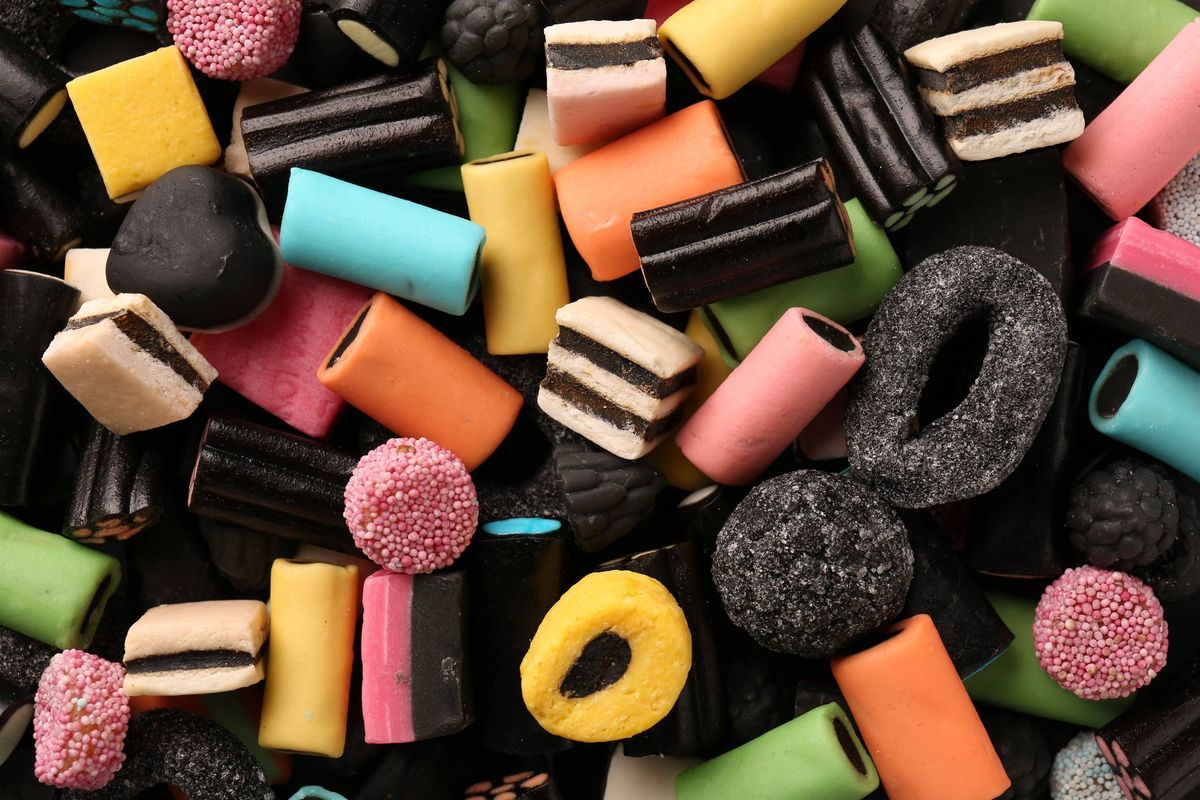
Liquorice can be harmful if you have high blood pressure
While most people can safely enjoy black liquorice, the NHS warns that consuming it in excess can pose a specific risk, particularly for people over 40 with a history of heart disease and/or high blood pressure. Consuming more than 57g (two ounces) of black liquorice daily for at least two weeks could lead to serious health complications.
These potential issues include a rise in blood pressure and an irregular heartbeat, known as arrhythmia. The NHS advises people of all ages to refrain from consuming large amounts of black liquorice in a short time frame.
What does the NHS advise?
The NHS specifically cautions certain people against consuming large quantities of liquorice, including those with high blood pressure. They state: “Can eating too much black liquorice be bad for you? Yes, particularly if you’re over 40 and have a history of heart disease or high blood pressure, or both.
“Eating more than 57g (2 ounces) of black liquorice a day for at least two weeks could lead to potentially serious health problems, such as an increase in blood pressure and an irregular heart rhythm (arrhythmia). For most people, liquorice found in foods is safe to eat and safe when consumed in large amounts in medicines for short periods of time.”
If you’ve been eating significant quantities of black liquorice and are experiencing heart palpitations, muscle weakness, or similar symptoms, you should cease consumption straight away and consult a doctor. It’s worth noting that liquorice sweets coated or encrusted in salt are especially harmful to cardiovascular health; nevertheless, enjoying a modest amount of liquorice from time to time is typically safe.
The negative physical effects resulting from substantial or even moderate daily intake (57g) are caused by glycyrrhizin. This substance is present in liquorice root and is 30-50 times sweeter than sugar.
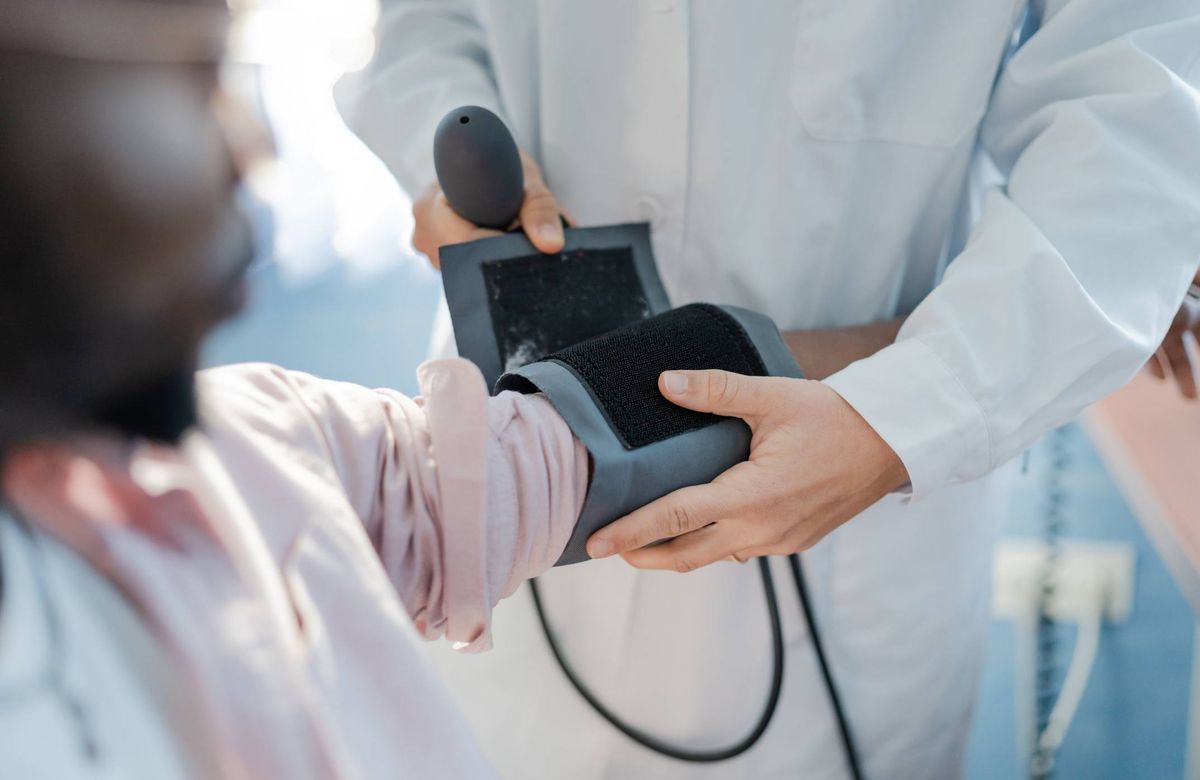
It is important to regularly check your blood pressure
Glycyrrhizin can interfere with the body’s potassium and sodium balance, which are vital for controlling body fluid. Too much glycyrrhizin can lead to elevated blood pressure, fluid retention, muscle weakness, and irregular heart rhythms.
Dr Berg added: “Our bodies are designed to retain sodium because sodium hasn’t always been readily available. Today, we get plenty of sodium and not enough potassium. You need 4700 mg of potassium per day, a key electrolyte for heart health. It also helps generate energy in the nerves and muscles, protects against blood sugar issues, and helps store glycogen in your liver. Liquorice supplements should not be taken daily, especially if you’re older, have high blood pressure, or are on certain medications like diuretics or Prednisone.
“Two cups of liquorice tea per day may be enough to start shifting your body’s electrolyte balance. Similarly, 100 mg of liquorice candy daily for two weeks can also be problematic. One dose is not dangerous, but chronic low doses of liquorice can build up in the body.”
What has research shown?
A 2024 study from Sweden revealed that even modest quantities of liquorice can raise blood pressure. This is largely down to glycyrrhizic acid, which affects the body’s fluid balance by influencing an enzyme in the kidney. It’s challenging to determine the precise amount of glycyrrhizic acid in any given product, as its concentration can vary significantly.
British Heart Foundation expert Victoria Taylor, who is a registered dietitian, said: “The good news is that if liquorice has this effect on you, the changes are not normally permanent. Stop consuming liquorice and your levels of sodium, potassium and fluid should return to normal. However, if you have experienced any symptoms that may be triggered by liquorice, it’s important to let your doctor know, so he or she can make sure there is no other possible cause.”
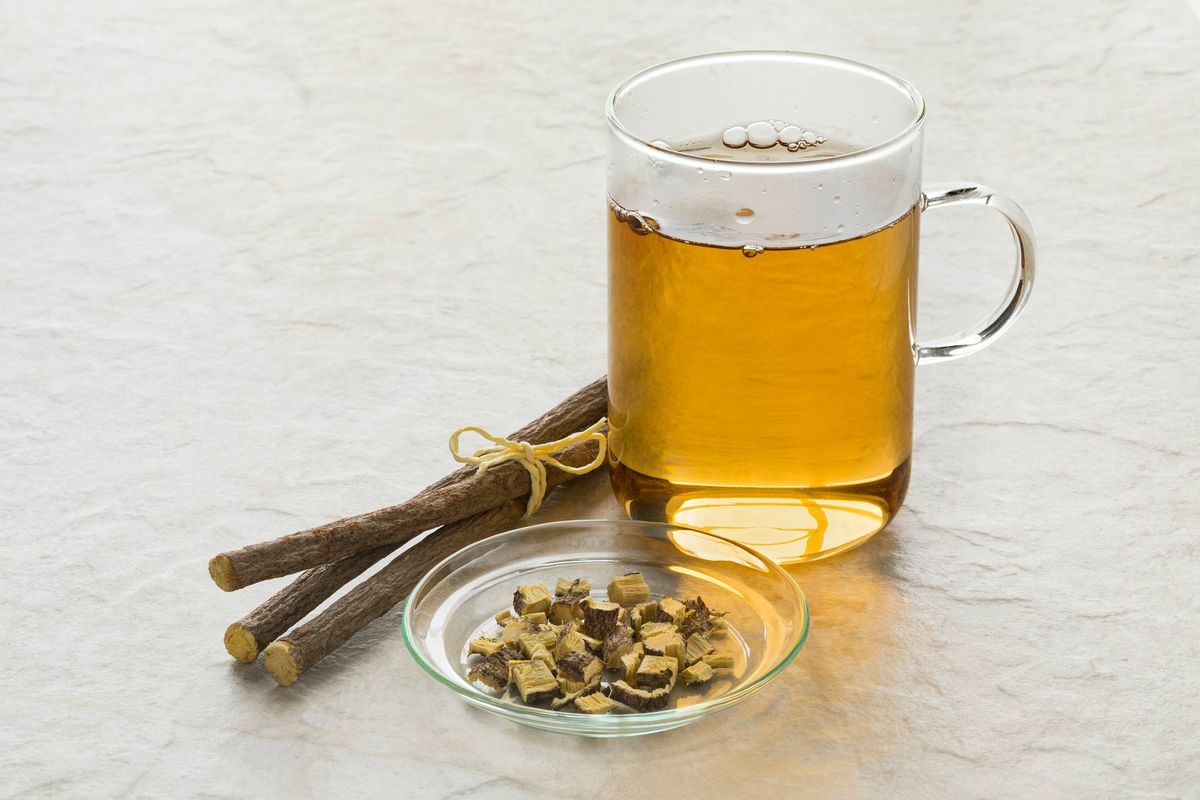
Regular consumption of liquorice tea can increase blood pressure
What about liquorice tea?
It’s not just black liquorice that presents a risk; liquorice tea can also elevate blood pressure. Whilst small amounts are typically safe, excessive consumption can result in serious health problems such as hypertension and hypokalemia. Studies on hypertension induced by liquorice tea, such as cases published in BMJ Case Reports and CMAJ, show that daily consumption of this herbal drink can cause dangerously high blood pressure, fluid retention, and low potassium levels.
Black liquorice may also interact with certain medications, herbs, and dietary supplements, prompting the NHS to recommend consulting a GP or pharmacist with any concerns. Dr Berg also said: “Natural remedies are very powerful but not always completely safe for everyone. Liquorice has been used for thousands of years as a remedy for ulcers, coughs, inflammation, infections, and more.
“Deglycyrrhizinated Liquorice (DGL) is a type of liquorice without glycyrrhizin that can provide the benefits of liquorice without affecting your blood pressure. If you’re having negative side effects from taking liquorice, simply stop taking it, and your symptoms should resolve. Most natural remedies can be very beneficial, and negative side effects are generally rare.”
Anyone with a history of heart problems or high blood pressure should speak to their doctor before trying a liquorice supplement. It’s also important to consult your GP if you’re taking any medications, as liquorice can interfere with how certain drugs work, including warfarin or hormone replacement therapy.
Those with high blood pressure should check food labels for liquorice root extract and seek medical advice if they’ve been consuming large amounts regularly.
What are the symptoms of high blood pressure?
High blood pressure is frequently described as a “silent killer” because it typically presents no symptoms until it has inflicted serious, permanent damage or reached dangerously elevated levels. When warning signs do emerge – generally in difficult or critical situations – they may include intense headaches, impaired vision, lightheadedness, chest discomfort, and breathing difficulties.
High blood pressure poses significant health risks as it forces the heart to work considerably harder and places sustained strain on blood vessels. Over time, this can lead to damaged, constricted, or compromised arteries. When this occurs over an extended period, it substantially increases the likelihood of severe complications, including stroke, heart attack, heart failure, and kidney failure.