

High blood pressure – also known as hypertension – is incredibly common, affecting around one in three adults in the UK. According to NHS figures, an estimated 4.2 million people in England could be living with it undiagnosed.
That’s partly because it rarely causes obvious symptoms. But over time, persistently high pressure inside the arteries can increase the risk of heart disease, stroke, kidney problems and even vascular dementia.
High blood pressure is more common as we age, and other risk factors can include eating too much salt, being overweight, smoking and drinking too much. According to the NHS, family history of high blood pressure and your ethnicity may also play a part, as it’s more common if you have a Black African, Black Caribbean or South Asian ethic background.
Medication is sometimes necessary. But research shows that diet can also play an important role in supporting healthy blood pressure levels, and the NHS recommends eating a balanced diet.
Certain foods also contain minerals, fibre and plant compounds linked to improved vascular function and better sodium regulation. While no single ingredient is a magic fix, building these foods into your regular meals may help support overall heart health.
Here are eight foods backed by research that may help naturally support blood pressure levels.
🥣 Unsweetened yoghurt
Unsweetened natural or Greek yogurt contains minerals linked to supporting healthy blood pressure levels.
(Getty Images)
A 2021 study found that yoghurt consumption may produce positive blood pressure outcomes in people with hypertension.
Researchers suggest this could be due to yoghurt’s high levels of calcium, potassium and magnesium – three minerals known to help regulate blood pressure.
Choosing plain, unsweetened natural or Greek yoghurt is key, as added sugars won’t help heart health. It’s easy to incorporate:
Top with berries and seeds for breakfast
Use instead of cream in savoury dishes
🍓 Berries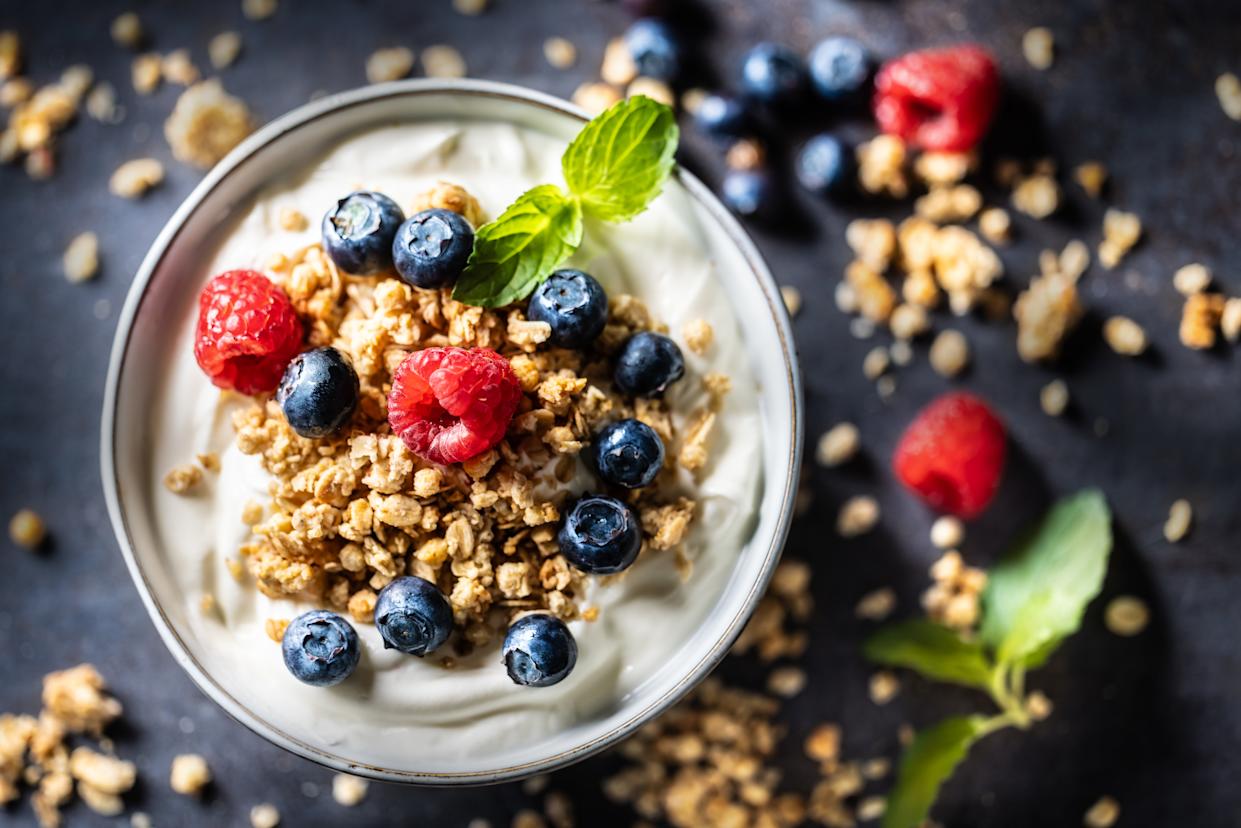
Berries are something of a superfood.
(SimpleImages via Getty Images)
Strawberries and blueberries are rich in antioxidant compounds called anthocyanins (pigments that give them their vibrant colours).
Research has linked anthocyanins to reductions in blood pressure in people with hypertension. These compounds are thought to help improve blood vessel function and reduce inflammation.
Berries are also easy to eat regularly, with suggestions including:
Beetroot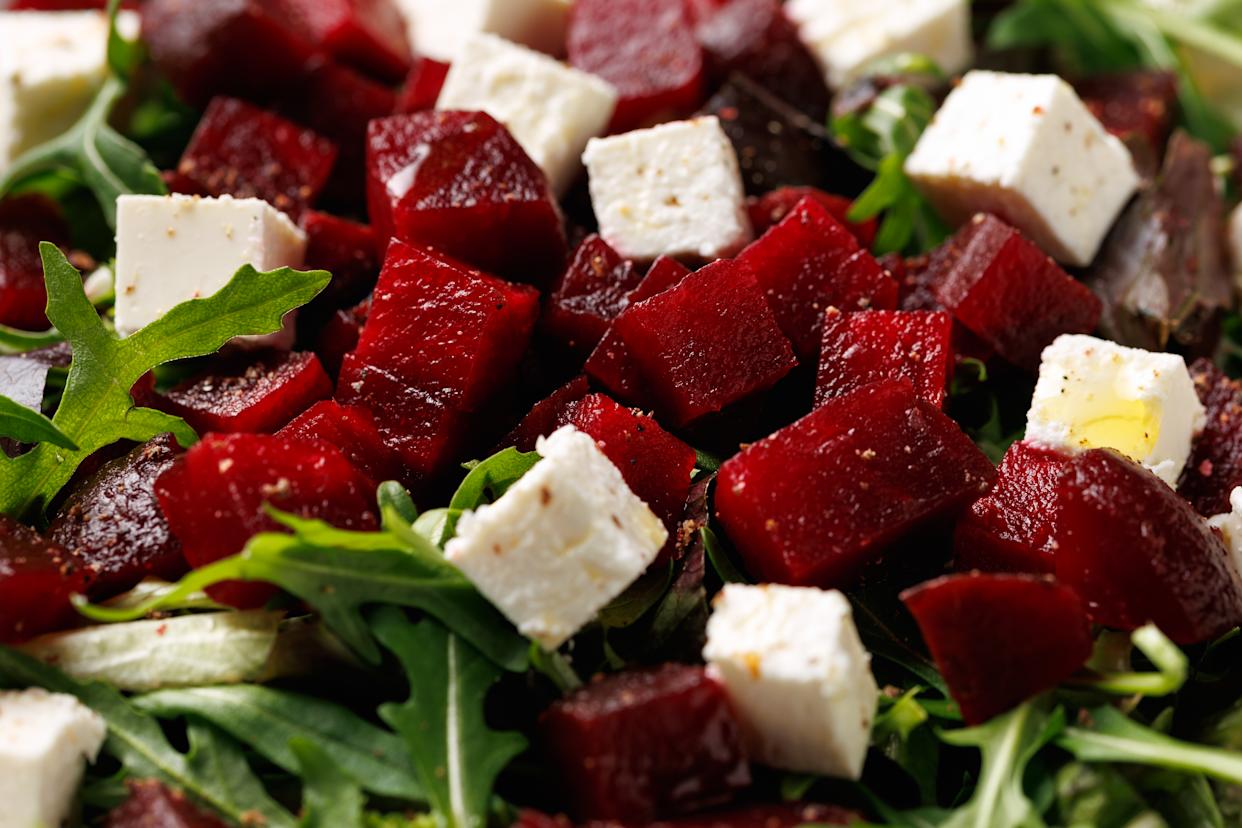
Adding more beetroot to meals may help improve blood flow.
(Getty Images)
Beetroot is packed with natural nitrates that can help improve blood flow and support lower blood pressure.
Studies suggest these nitrates help relax and widen blood vessels, improving blood flow.
Include more beetroot in your daily meals in these ways:
Roasted beetroot as a side
Grated raw beetroot in salads
Unsweetened beetroot juice in smoothies
🥬 Leafy greens
Leafy greens like spinach may help regulate blood pressure.
(Getty Images)
Spinach, kale, cabbage and other spring and leafy greens are also high in nitrates. Research has found these compounds may offer blood pressure benefits similar to those seen in beetroot.
Adding leafy greens to your meals regularly can help increase overall nitrate intake without much effort. You could try:
Sautéing spinach with garlic
Adding kale to pasta or soups
Mixing shredded cabbage into salads
🐟 Oily fish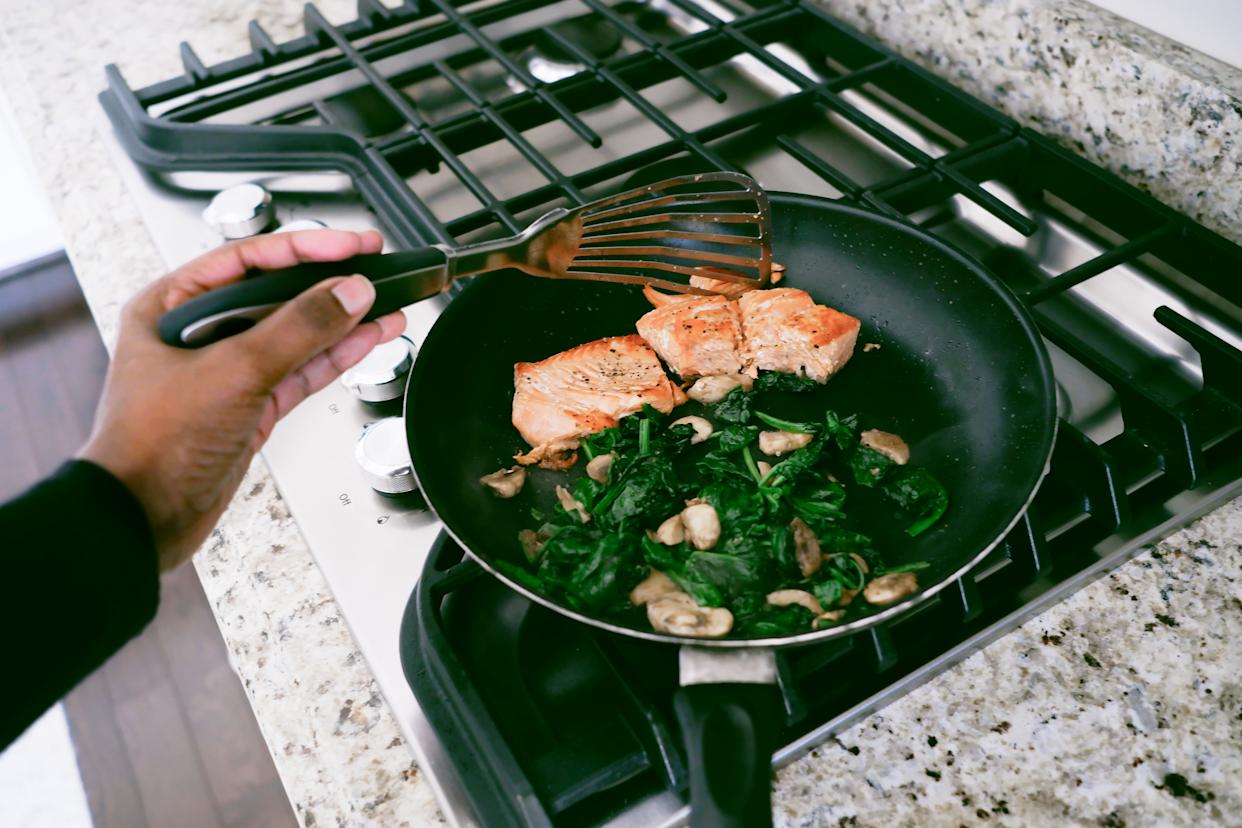
Salmon provides omega-3s that support heart health.
(Getty Images)
Salmon and mackerel are packed with omega-3 fatty acids and vitamin D – nutrients associated with improved heart health and better blood pressure regulation.
Omega-3s are thought to help reduce inflammation and support blood vessel flexibility.
Oily fish is also easier to include than many people think:
Grill or bake with olive oil and simple seasoning
Flake into salads or pasta
Add to sandwiches or wraps
Choose tinned salmon or mackerel for a quick, affordable option to add to meals.
Aim for two portions of oily fish per week, where possible, the NHS advises.
🥣 Wholegrains (especially oats)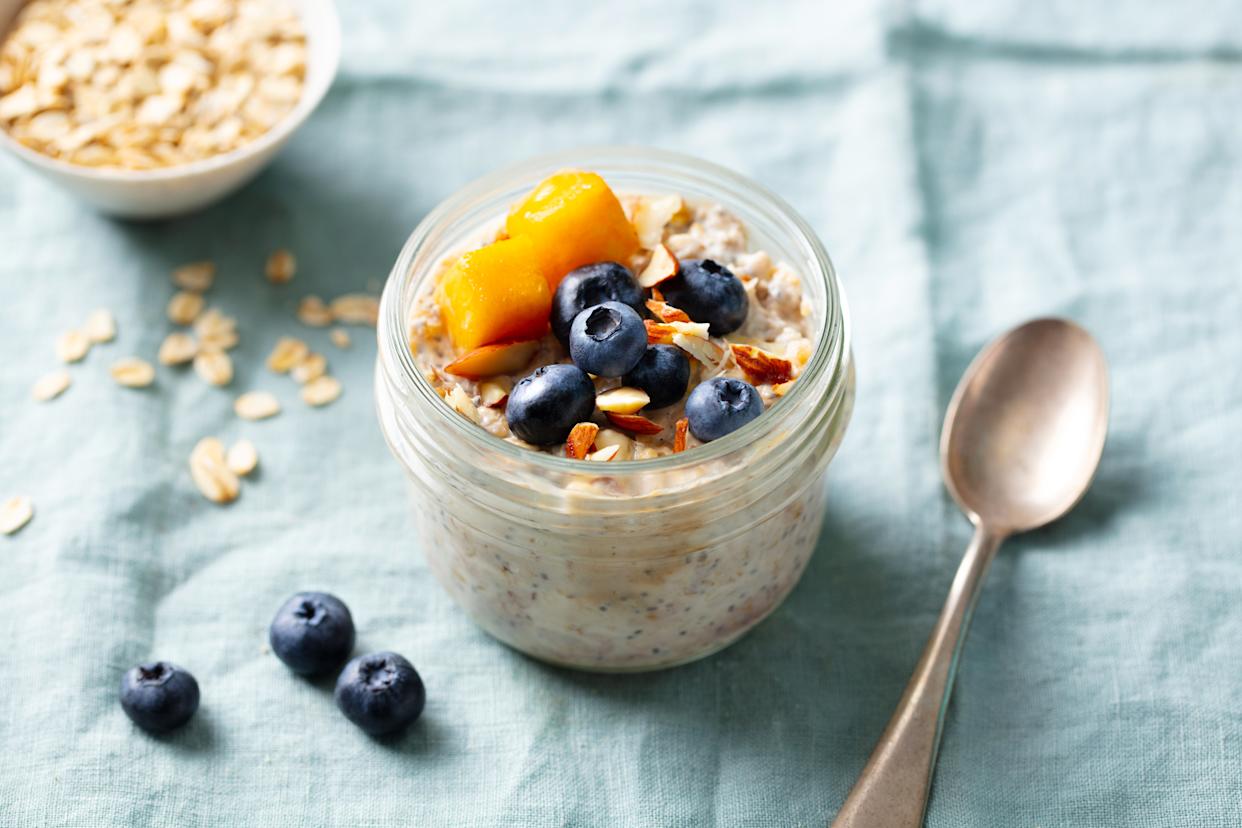
Oats contain fibre linked to healthier blood pressure.
(Getty Images)
Oats contain a type of fibre called beta-glucan. Research suggests beta-glucan may help lower blood pressure.
Wholegrains also support overall cardiovascular health by helping regulate cholesterol and blood sugar.
Simple swaps can make a difference:
Choose unsweetened oat porridge for breakfast
Switch to wholegrain bread
Try quinoa or brown rice at dinner
🥜 Pistachios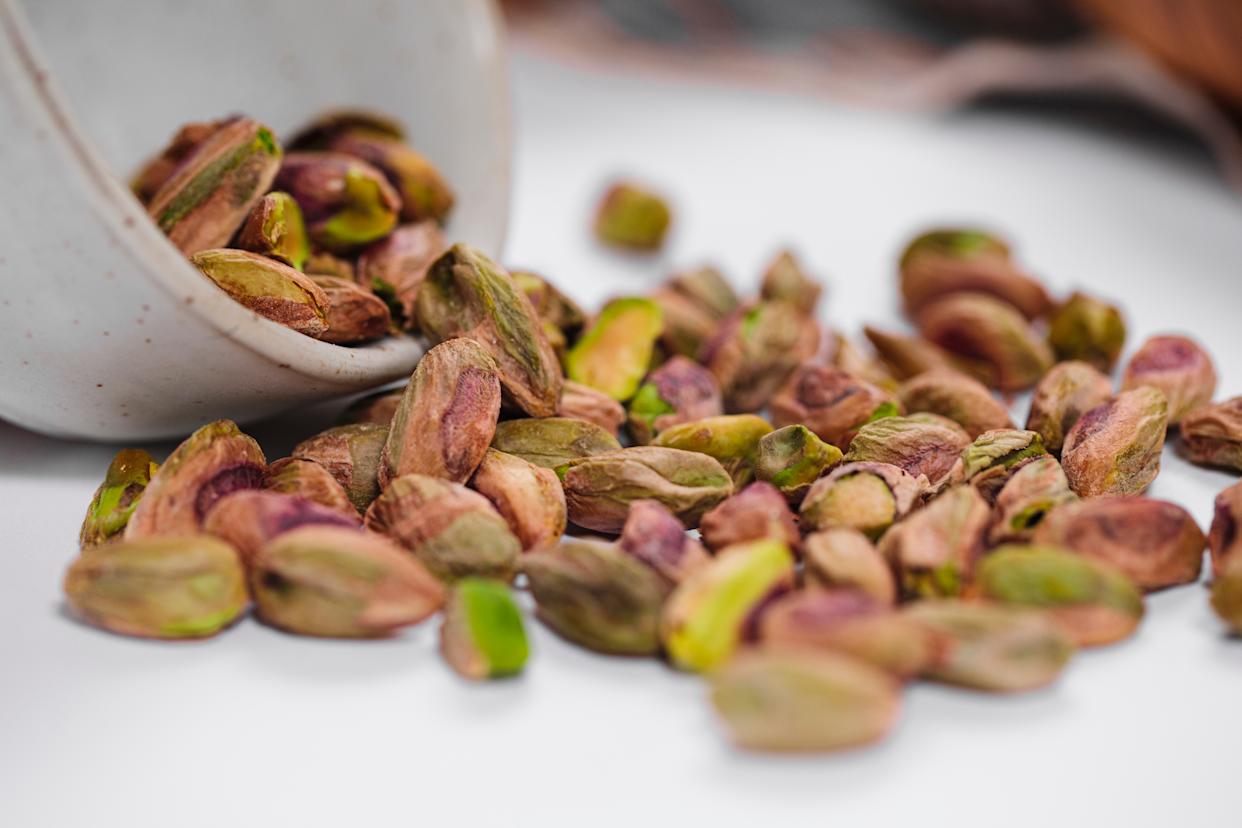
Pistachios may help support healthy cholesterol and blood pressure.
(Getty Images)
Pistachios may help lower blood pressure and cholesterol, according to a 2022 study.
These nuts provide healthy fats, fibre and plant compounds that support vascular health. Just make sure you choose unsalted varieties to avoid cancelling out the benefits.
They work well:
Stick to a small handful (around 30g), as nuts are generally calorie-dense – portion control helps you get the heart benefits without overdoing your daily energy intake.
🍌 Bananas
Bananas are a good source of potassium.
(Getty Images)
Potassium is one of the most important minerals for blood pressure control. It helps the body get rid of excess sodium and relaxes blood vessel walls.
One medium banana contains around 420mg of potassium – 10% of your daily potassium needs.
Bananas are one of the simplest ways to increase potassium intake:
Slice over porridge or oats
Spread on toast with nut butter
Mash into pancake batter as a natural sweetener
Other potassium-rich foods include beans, tomatoes, mushrooms and avocado – but bananas are one of the simplest, most convenient sources.
Including potassium-rich foods regularly can help balance sodium intake, particularly if you eat a diet higher in salt.