

Creatine is one of the most researched supplements in sports science. Yet despite decades of evidence supporting its safety and effectiveness, persistent myths still surround it — particularly for women.
From fears of weight gain to concerns about dehydration, misconceptions rooted in bodybuilding culture, dramatic ’bulking’ phases and complicated supplementation protocols have shaped how many women view creatine. However, in reality, experts say much of this concern stems from outdated advice and misunderstandings about how the supplement actually works in the body.
Cara Poyntz, co-founder of CHOOZY, takes five grams of creatine daily, saying: “Not every supplement is necessary for everyone, whereas, in my opinion, the majority people will benefit from creatine.
I have found it to be one of the supplements with the most noticeable benefits. The strength aspect was the reason I started taking creatine, but now I take it and recommend it for both brain health and strength performance.”
Why creatine may be especially relevant for women
Creatine plays a key role in the body’s energy systems, helping cells regenerate adenosine triphosphate (ATP), the molecule used to power muscular contractions and other cellular processes. Supplementing with the compound increases the amount stored in muscle cells, allowing the body to produce energy more efficiently during short bursts of effort — such as resistance training, sprinting or other high-intensity exercise.
While these benefits are well established in sports science, interest is growing in creatine’s potential advantages beyond athletic performance. For women, one important factor is baseline creatine levels. On average, females tend to have slightly lower stores of creatine in muscle compared with men, which means supplementation may have a more noticeable effect.
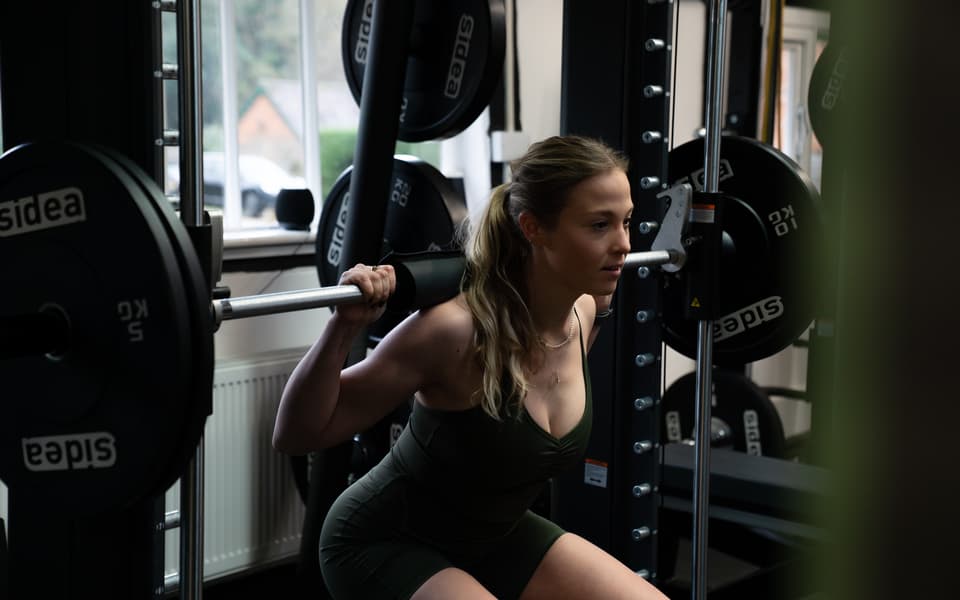
Creatine plays a key role in muscle health
CHOOZY
“Creatine is particularly important for women because we naturally have around 70 to 80 percent lower creatine stores than men, largely due to differences in muscle mass and dietary intake,” says Poyntz. “As we age, our natural creatine stores can decline further.”
Dr Suzanne Wylie, GP and medical adviser for IQdoctor, adds: “Women naturally experience a gradual loss of muscle mass with age, and this process can accelerate during and after the menopause due to hormonal changes. Maintaining muscle mass is important not just for strength and mobility but also for metabolic health, bone health and overall independence as we age. Creatine works by helping our muscles regenerate energy more efficiently during short bursts of activity, which can improve performance in resistance training and help support gains in lean muscle mass when combined with regular exercise.”
Muscle health becomes increasingly important as women age. From our thirties onwards, muscle mass naturally begins to decline, a process known as sarcopenia. Hormonal changes during perimenopause and menopause can accelerate that loss. Strength training remains the most effective way to counter this decline, but adequate nutrition — including sufficient protein and potentially creatine — can also play a supportive role.
Addressing the weight gain concern
Among women, one of the most common worries about creatine is the risk of weight gain. This concern largely stems from the supplement’s effect on water balance in muscle tissue. Creatine draws water into muscle cells, increasing what is known as intracellular hydration. On the scales, this can sometimes show up as a small increase in weight — usually one or two kilograms during the early stages of supplementation — but experts stress that this is not fat gain.
Much of the confusion dates back to so-called “loading phases”, where individuals take large amounts of creatine — sometimes 20 grams per day — for several days to saturate muscles quickly. This approach, once popular in bodybuilding circles, can increase the likelihood of temporary digestive discomfort or water retention, but has since been deemed unnecessary.
Wylie stresses the importance of clarifying that creatine does not lead to weight gain. She says: “Some people may notice a small increase on the scales when they first start taking it, but this is usually due to water being drawn into the muscle cells rather than an increase in body fat. In the longer term, any change in body composition tends to reflect an increase in lean muscle tissue, particularly if creatine is used alongside strength training. That shift towards more muscle can actually be beneficial for metabolic health, as muscle tissue is more metabolically active than fat.”
Another common misconception is that creatine causes dehydration. “That belief came from the assumption that if muscles hold more water, it must pull water away from the rest of the body,” says Poyntz.
“Creatine increases intracellular hydration inside the muscle cells, which helps support cell function and recovery. As long as someone maintains adequate hydration, this is perfectly fine.”
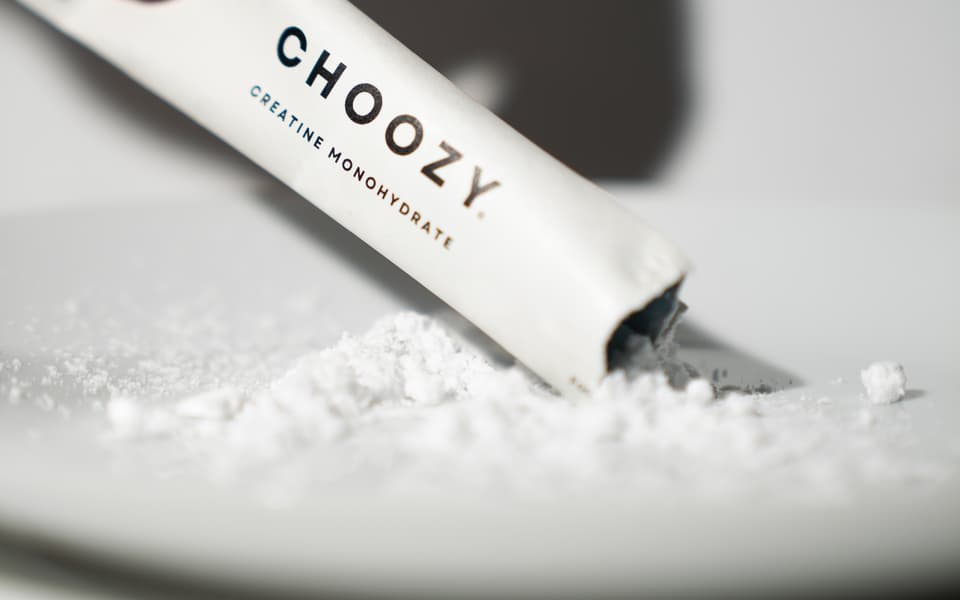
Experts are debunking myths surrounding creatine
CHOOZY
However, experts consistently debunk this theory, with studies even suggesting creatine may in fact improve the body’s ability to regulate temperature and hydration during exercise.
Wylie confirms this idea and states that: “the evidence we have suggests that creatine is generally safe for healthy individuals when taken at recommended doses. As with any supplement, it’s sensible to maintain good hydration and speak with a healthcare professional if you have underlying health conditions, particularly related to the kidneys.”
Although creatine’s reputation has historically been tied to athletic performance, scientists are increasingly interested in its potential benefits outside sport. The brain, like muscles, requires large amounts of ATP to function. As creatine helps regenerate this energy molecule, researchers have begun exploring whether supplementation might support cognitive performance under demanding conditions such as sleep deprivation, mental fatigue or high workloads. There is also growing interest in its potential role in healthy ageing.
Poyntz says: “One of the most interesting things about creatine is that its benefits extend far beyond the gym. The research that has shown the benefits of this compound for brain health is astounding; the fact it can help during periods of sleep deprivation, offsetting fatigue and increasing alertness especially through processing speed, which is key for mental tasks. None of this gets easier as we age, so the fact that creatine can help with these aspects is profound.”
Does creatine cause bloating?
Poyntz says she finds creatine to be extremely supportive for bloating, having co-founded CHOOZY with her brother after experiencing chronic gut issues herself. “Creatine is also important for the gut as it helps support energy production within intestinal cells and plays a role in maintaining the integrity of the gut lining.”
She adds that people need to find the dosage that works for them without causing discomfort but ultimately “when people experience digestive discomfort, it is often related to low quality creatine or manufacturing processes such as poorly refined products that leave residual compounds behind.”
So should you up your dosage? Ultimately, experts say creatine need not be some scary supplement or part of an overcomplicated routine.
For women who are curious about the benefits of creatine, choosing a high quality supplement is key, as well as taking a small then steady dosage. Easing yourself into it is always best and then consistency is key, says Poyntz. It sounds well worth a try.