
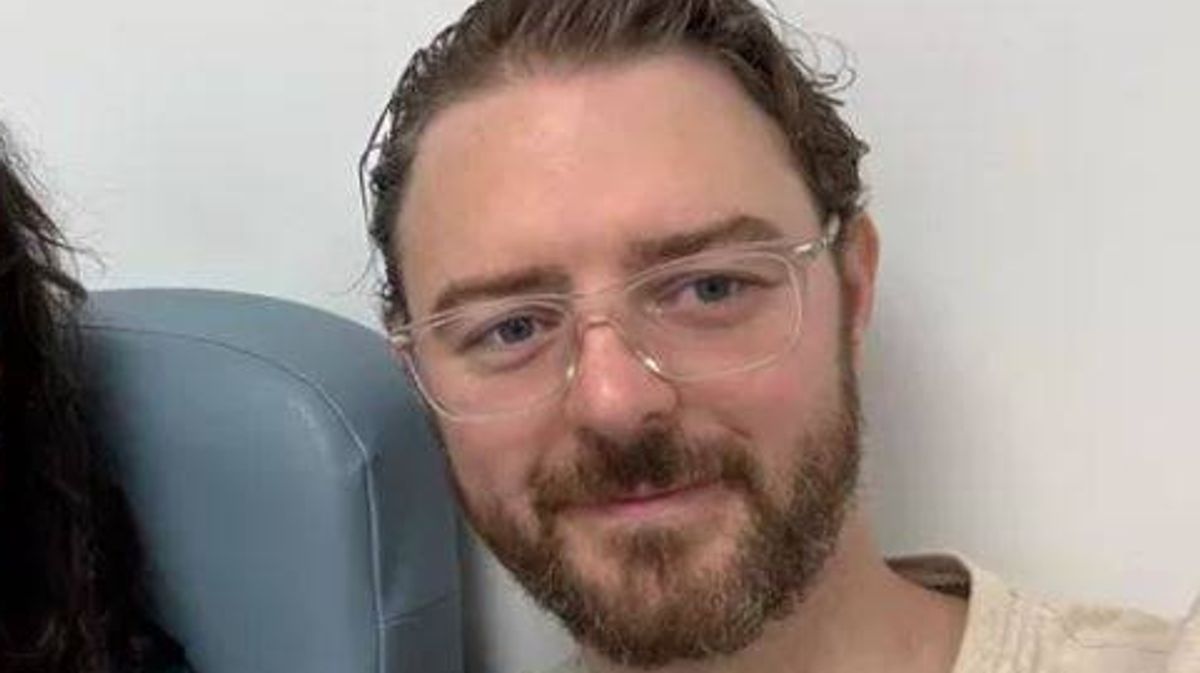
Dale Atkinson, 35, suffered with heartburn and acid reflux for years before being diagnosed with oesophageal cancer
Charlotte Smith Senior Lifestyle Content Editor
13:38, 17 Mar 2026Updated 14:10, 17 Mar 2026
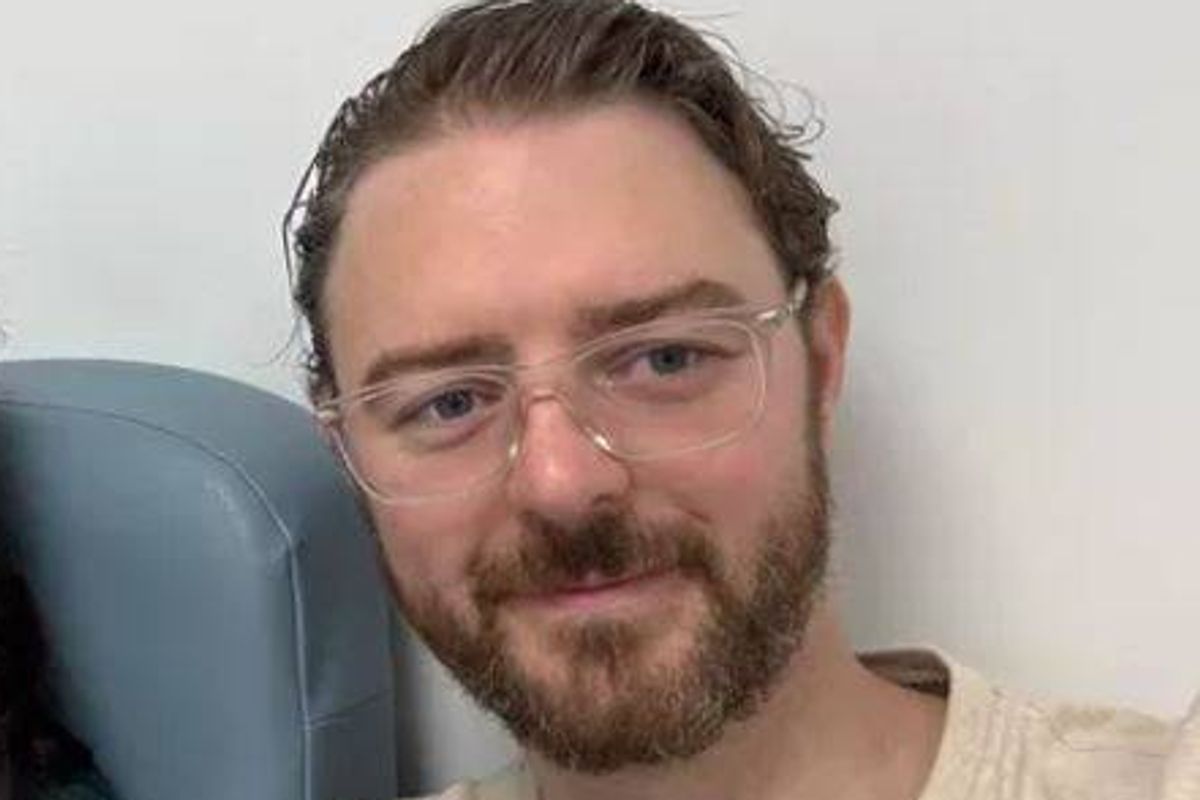
Dale says his biggest support came from his partner Ana, who was recovering from her own cancer surgery(Image: Dale Atkinson)
A man who endured heartburn and acid reflux for years, initially attributing it to stress and lengthy working hours, was later told by doctors that he had cancer. Dale Atkinson was 35 years old when diagnosed with oesophageal adenocarcinoma and received the devastating news that he had merely months remaining.
Oesophageal adenocarcinoma (EAC) is a prevalent, aggressive form of cancer affecting the lower oesophagus. It’s associated with gastroesophageal reflux disease (GERD) and Barrett’s oesophagus, a condition whereby the normal oesophageal lining transforms into tissue resembling that of the intestine.
“Looking back, the warning signs had been there far longer than I realised,” he said. Dale, proprietor of Peak Health and Fitness, reveals that as far back as 2019, he consulted his GP regarding acid reflux symptoms, including a burning sensation in his throat, nocturnal acid rising and stomach cramps.
He states he was prescribed omeprazole and was “reassured”. However, by 2023 and throughout 2024, his symptoms intensified considerably. “I began experiencing pain after eating, difficulty swallowing, and significant weight loss,” he said, reports the Mirror.
“In October 2024, my life was about to change forever, and not in the way I expected. I was living in Burghfield Common near Reading with my partner Ana, our two young boys and our giant Great Dane puppy. Life was busy with family, work and plans for the future. But underneath all of that, my body had been trying to warn me that something wasn’t right.
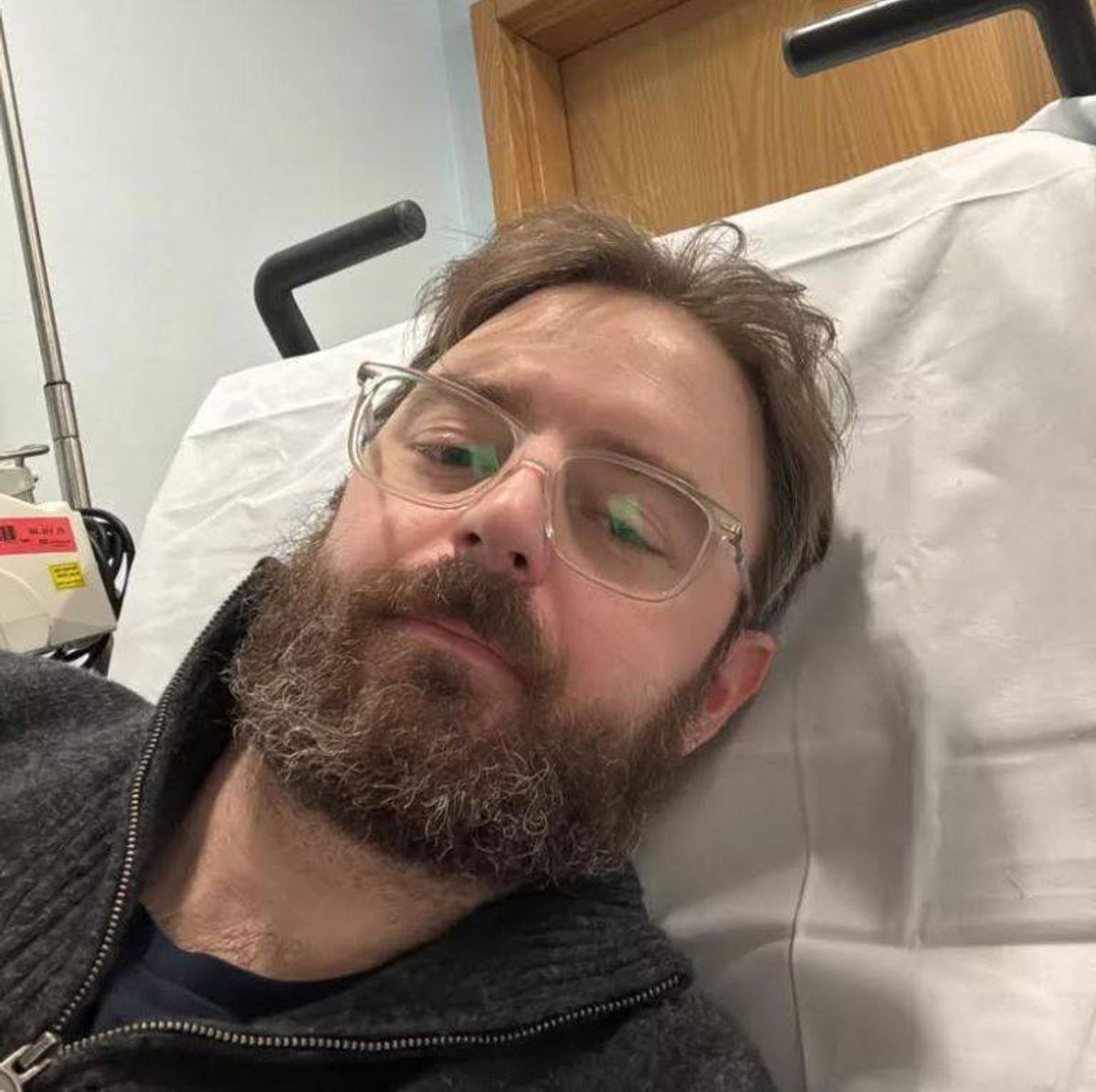
Dale says he was suffering from a burning sensation in his throat, acid rising at night and stomach cramps(Image: Dale Atkinson)
“Soon, I was diagnosed with oesophageal adenocarcinoma. Doctors confirmed it was stage four, had spread to multiple lymph nodes, and was incurable and inoperable. I was offered palliative treatment.”
Warning signs Dale admits he dismissed
Dale explains: “For years, I suffered with heartburn and acid reflux, which I blamed on stress and long working hours. Looking back, the warning signs had been there far longer than I realised.”
As matters “worsened” throughout 2023 and 2024, Dale maintains he felt unsupported by medical professionals, “so I stopped pushing as hard as I should have”, he stated. He continued: “By 2023 and into 2024, the symptom had become more serious.”
He elaborated: “I started to experience pain after eating, swallowing felt strange, as if food wasn’t going down properly, and I lost a significant amount of weight.”
The NHS notes that oesophageal cancer presents numerous potential symptoms, though they can be difficult to identify. They may impact digestion, including:
having problems swallowing (dysphagia)feeling or being sickheartburn or acid refluxsymptoms of indigestion, such as burping a lot
Other symptoms include:
a cough that is not getting bettera hoarse voiceloss of appetite or losing weight without trying tofeeling tired or having no energypain in your throat or the middle of your chest, especially when swallowingblack poo or coughing up blood (although these are uncommon)
Reflecting on how challenging life proved during that period, Dale said: “At the same time, my partner Ana was hit with her own devastating diagnosis, lung cancer. In early October 2024, she underwent major surgery after a small carcinoma was found in her upper right lung. She was recovering at home while also caring for our two young boys. Meanwhile, my own symptoms carried on getting worse.”
The turning point when Dale says “everything changed”
Dale recalls undergoing an endoscopy examination on 15 October 2024, coinciding with his youngest child’s first birthday. Throughout the procedure, the consultant discovered a growth in his lower oesophagus. “In that moment, everything changed,” he explained.
“Soon afterwards, I was formally diagnosed with oesophageal adenocarcinoma. Then, on October 31, 2024, doctors confirmed I had stage four disease. It had already spread to multiple lymph nodes, including disease in the upper abdomen and around my aorta.
“I was told it was incurable and inoperable, and offered palliative treatment. The diagnosis came just as we were celebrating my youngest son’s 1st birthday, and everything we had planned collapsed overnight.”
Whilst Dale’s existence continued, he was unexpectedly confronted with further devastation. “My mum died suddenly on Sunday October 27, 2024. We found out the following morning, which was also my eldest son’s 3rd birthday. We still put up the balloons, sang songs and celebrated, smiling through the heartbreak,” he remembered.
“At that point, life felt like it was hitting our family again and again. But somewhere in the middle of it all, I realised I had a choice. Accept the prognosis or fight.”
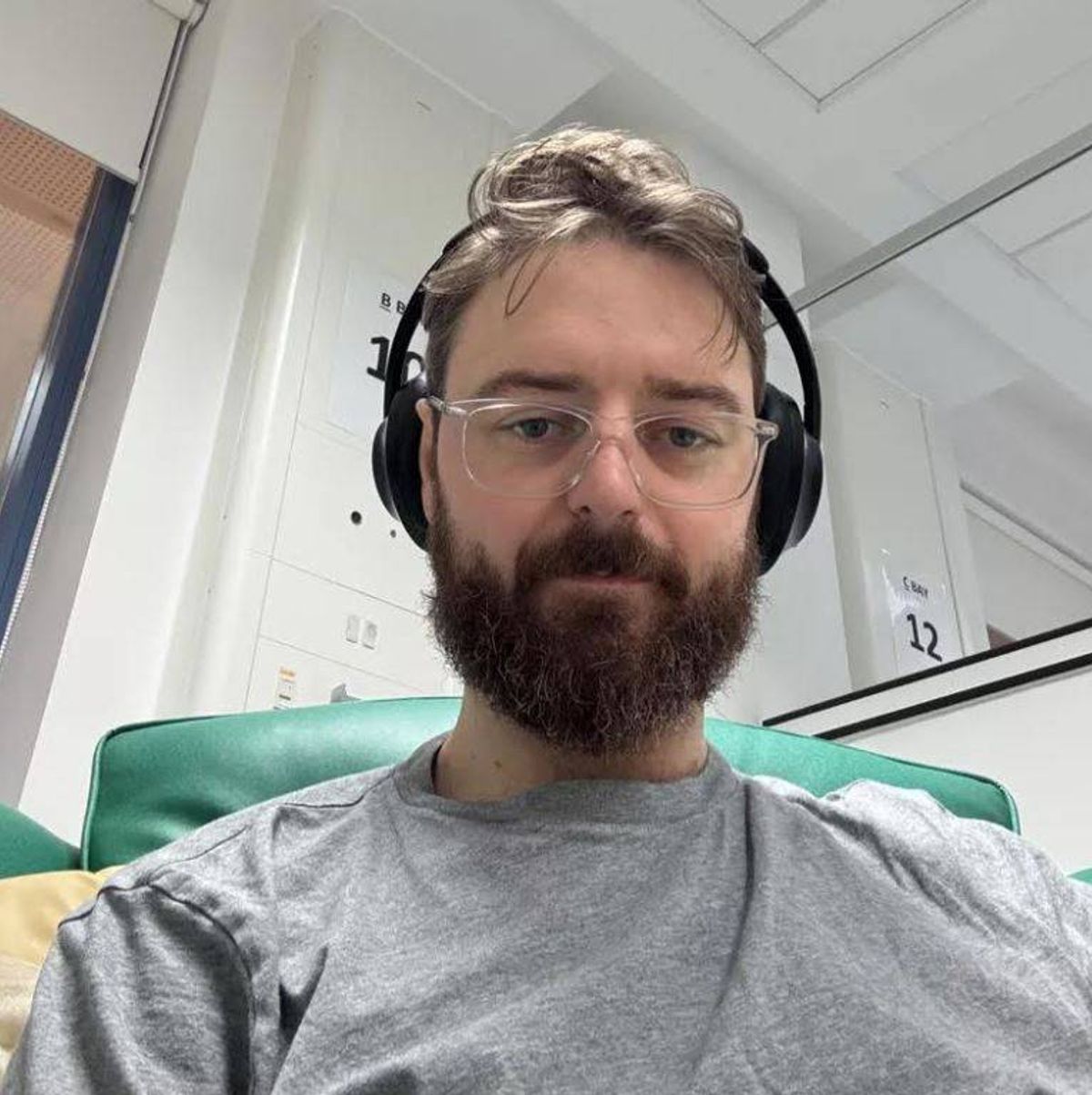
‘Doctors told me my cancer was incurable at 35′(Image: Dale Atkinson)
Making the decision to resist
“I chose to fight. But I wanted to fight strategically. I started researching everything about my cancer, sought second opinions, built a team around me in November 2024, and had advanced genomic testing done to understand fully what was driving my tumour and which treatments might work best,” Dale explained.
“For the first time, I felt like I had a map instead of a diagnosis. One of the earliest useful results from that testing was a chemo-sensitivity analysis, which came back in time to help guide my treatment decision. Until then, I had seriously considered declining chemotherapy.
“I had been told it might only buy me a few extra months at best, and I was weighing that against the possible impact on my quality of life. But based on those results, and after discussions with my team about likely effectiveness, I decided to go ahead with CAPOX chemotherapy and pembrolizumab immunotherapy as part of my treatment plan, starting in December 2024.”
Dale describes his chemotherapy treatment as “extremely tough”. He detailed the fatigue he experienced as “crushing”, whilst he also suffered from neutropenia, a condition where the immune system shuts down – meaning a minor infection could potentially become life-threatening.
He continued: “Oxaliplatin caused severe cold sensitivity, and our family had to isolate at home to avoid infection and limit contact with others. It was exhausting and terrifying at times. But I knew this was the part of the fight.
“Along with conventional treatment, I began making major changes to support my body. Nutrition became a huge focus. I switched to a whole-food, organic, very low-carb, keto-inspired vegetarian approach, cutting out refined sugar and heavily processed foods.”
Where Dale is now
Dale credits his partner, Ana, as the most significant pillar of support throughout everything. “Despite recovering from her own cancer surgery, she trained as a phlebotomist so she could help with parts of my treatment at home,” he shared. “She tracked medication, organised appointments, helped manage my treatment routine and kept our family running.”
Since receiving the news that his cancer was incurable, Dale’s latest scans have indicated improvement. He stated: “There has been a major regression in metastatic disease, and my primary tumour has shrunk significantly from its largest recorded size. It’s not remission yet, but it is real progress.”