
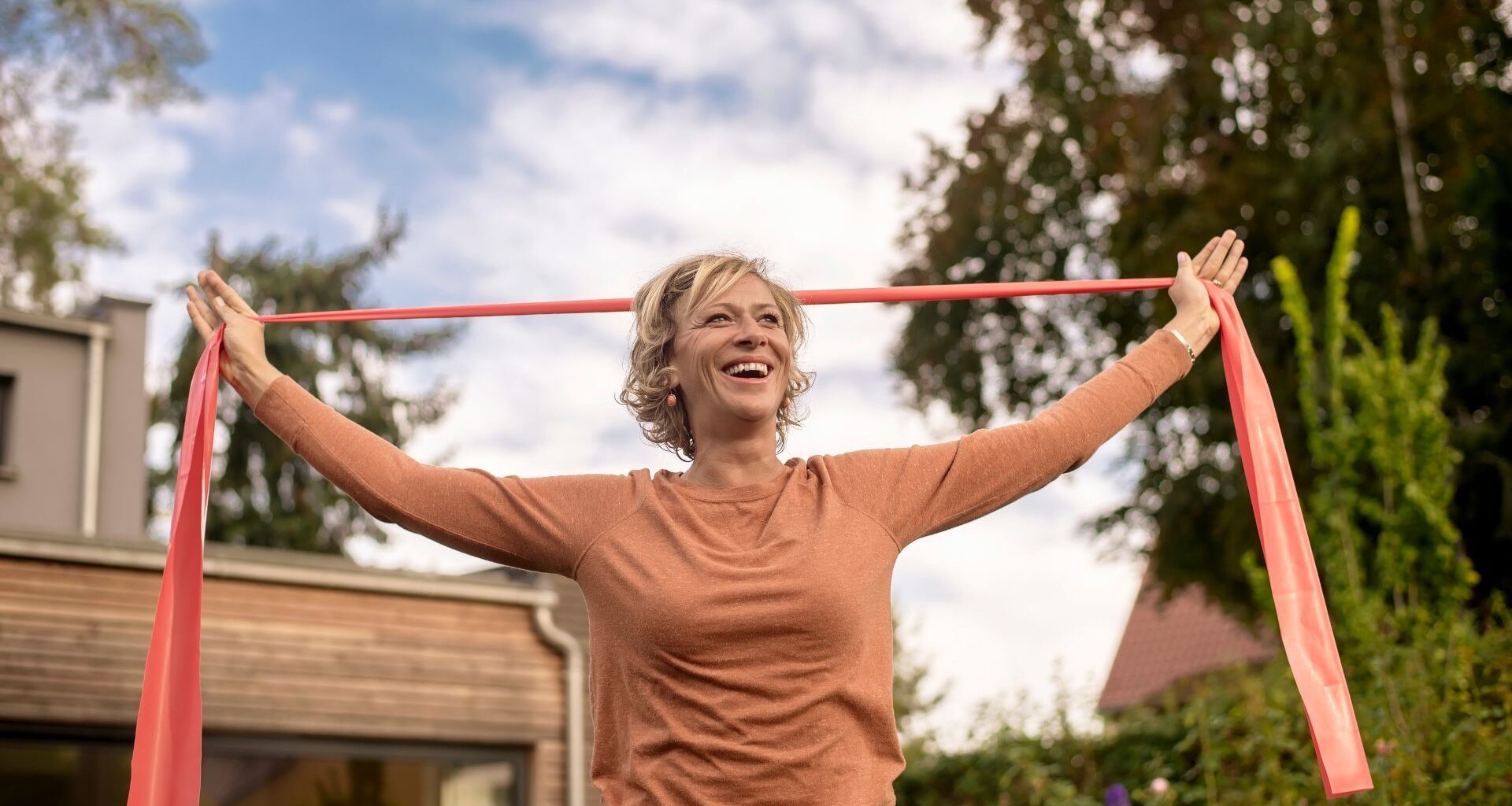
Years ago, we sat cross-legged to watch TV with ease, but now many of us wince when simply reaching down to the bottom shelf at a supermarket. This discomfort is often felt in our hips, the weight-bearing joints that absorb significant impact from walking, standing, sitting and bending. There are multiple reasons why hips start to hurt in later life, but we don’t have to accept it as part of getting older.
Maintaining hip flexibility can help reduce pain, and performing simple stretches for tight hip flexors is an easy habit to build into your morning or evening routine. However, we need more than stretching for easy movement in later life. Building strength is also important. Weak glutes and an unstable core can worsen hip pain, so strengthening these muscles can help reduce strain on the hip joints and improve alignment.
Tracey Arthur, a 64-year-old personal trainer for Virgin Active, knows how vital it is to look after our hips. “Not only do we depend on the mobility and stability of our hips in everyday life, but it’s an essential component in gym workouts,” she says. “I come across many people over 50 who move differently than they did 20 or 30 years ago, either because they’re physically compromised, or because they assume they can’t do [a particular move]. It’s a vicious circle leading to less strength and mobility.”
Article continues below
You may like
Hip-strengthening exercises1. Split squat
Front Foot Elevated Split Squat – YouTube
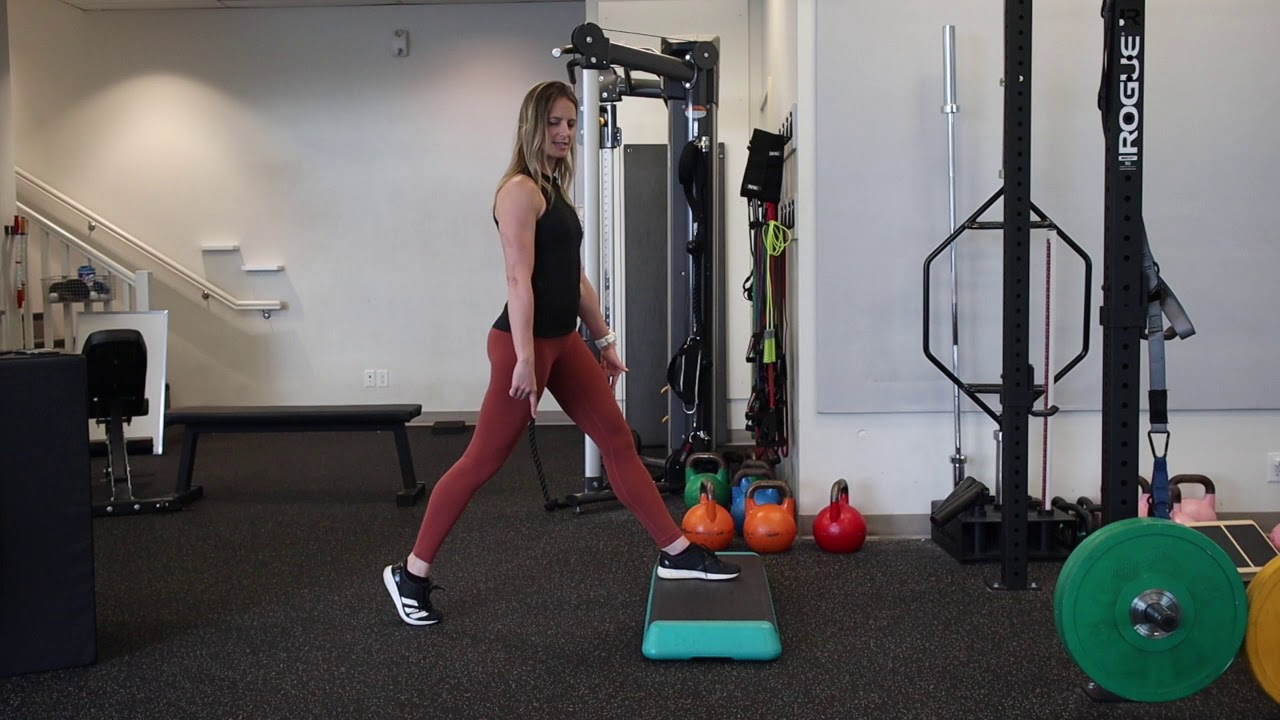
Similar to a lunge, a split squat involves raising the front foot on a stool or the bottom step of your stairs and lowering your bodyweight as far as possible toward the ground. “It simultaneously strengthens and stretches the hip flexors, and elicits a good amount of glute and hamstring engagement. It also works your core and improves your balance,” says Tracey.
Here’s how to do a split squat:
Stand in a front-to-back split position with the front foot on a secure elevation (e.g. a step or stool).Keep your chest lifted, engage your core and slowly squat down, pushing the front knee over your toes.Keep your back heel lifted as you lower as far as you can before holding (you could add a slight rock back and forth here).Push back up to standing through your front heel. Repeat on the other side.Aim for two to three sets of 8 to 10 reps.2. Donkey kick with fire hydrant
This is two hip-strengthening exercises in one – the donkey kick and the fire hydrant. It’s a combination that improves hip mobility and helps maintain pelvic stability by targeting the glutes.
Here’s how to do it:
Assume a tabletop position with a neutral spine, hands under shoulders and hips over knees.Maintaining a 90-degree bend in the knee throughout, lift your foot to the ceiling (donkey kick)Lower the leg, before lifting the knee out to the side (fire hydrant)Return to the centre to complete one rep.Aim for two to three sets of 8 to 10 reps.3. Lunge sequence
How To Do A Forward Lunge – YouTube
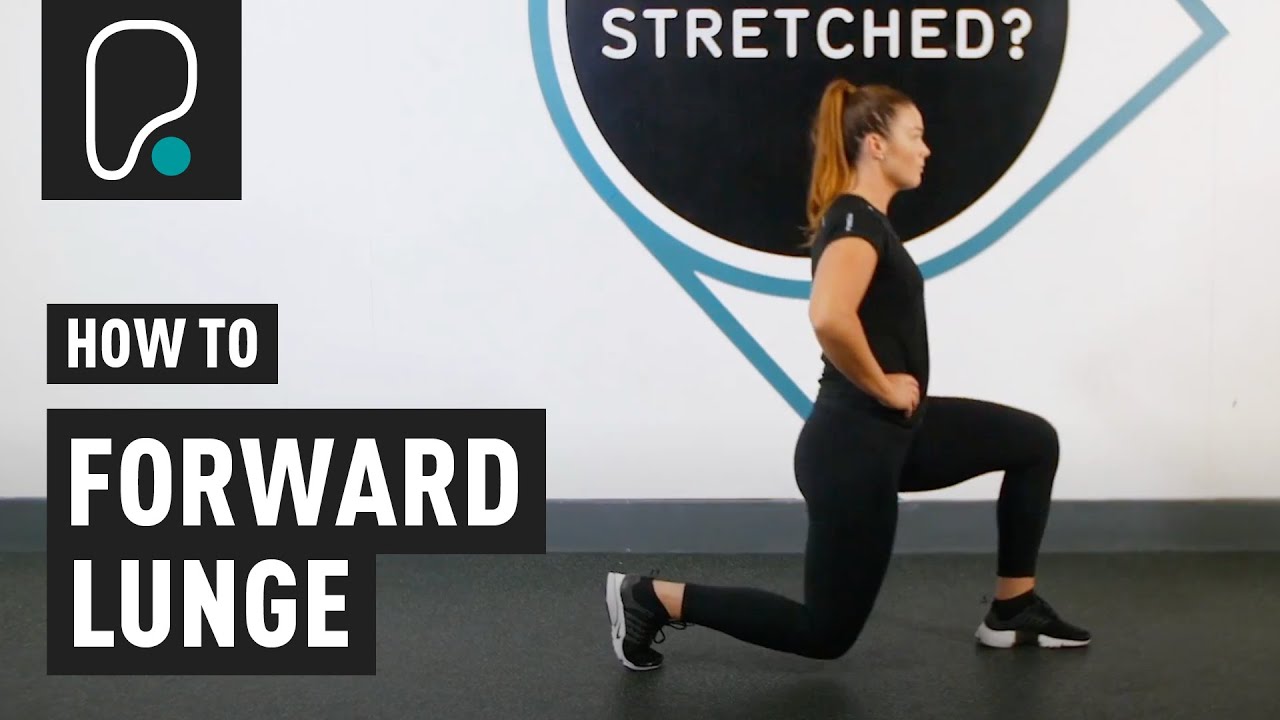
This mini sequence of mobility exercises focuses on strengthening, stabilising, and increasing hip joint flexibility, while engaging major muscle groups. It may sound complex, but like a choreographed dance, you’ll get the hang of it with repetition. “Whatever order you do these in, don’t rush these exercises, and focus your eyeline straight ahead,” says Tracy.
Here’s how to do it:
What to read next
Stand with feet hip-width apart, hands on hips and core engaged.Forward lunge: Step the right foot forward into a lunge, keeping the torso upright and knee in line with your toes, before stepping back to centre.Backwards lunge: Step the right foot back into a reverse lunge, keeping the knee hovering just above the ground, before stepping back to centre.Side lunge: Step the right foot wide to the right into a side lunge, with the knee bent in line with the toes and the left leg straight.Aim for two sets of 8-10 reps.4. Supine banded reverse squat
Supine Banded Reverse Squat – YouTube
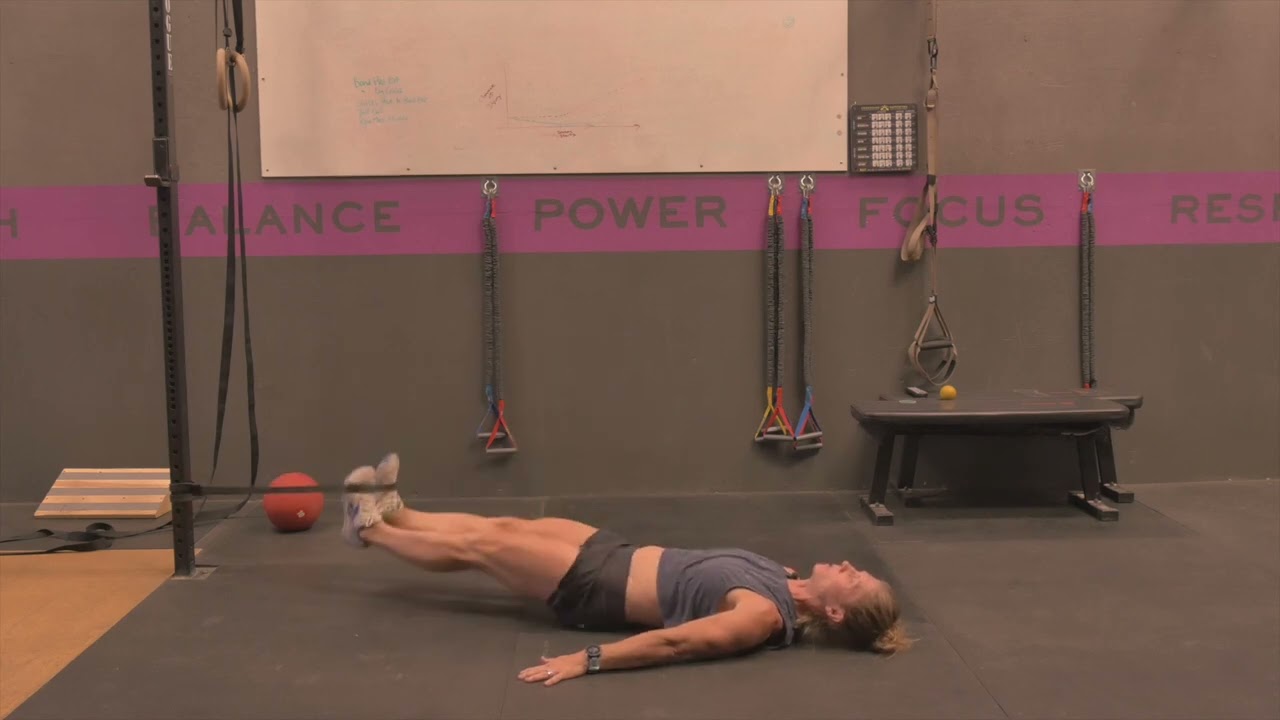
A reverse squat exercise strengthens the hip flexors, aiding hip mobility and control. Use a resistance band for this move and ensure it’s attached to a secure base. Tracey recommends going slower when you lengthen your legs back down, as this will help build strength.
Here’s how to do it:
Lie on your back, arms by your sides, with your toes tucked into the free end of the resistance band.Crunch your knees up to your chest ensuring this creates a fair amount of tension in the band.Lower your legs down again with control.Aim for two to three sets of 8 to 10 reps.
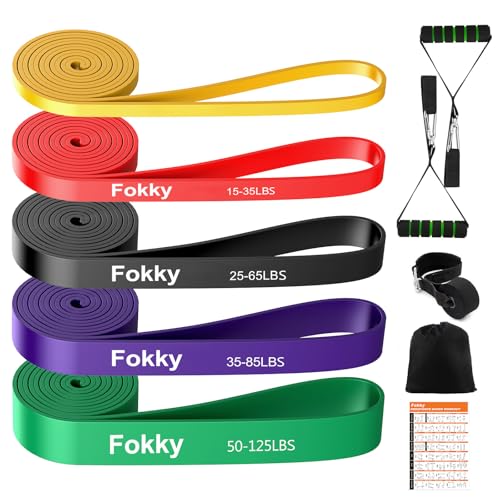
Fokky
Resistance Bands, 5 Levels
Resistance bands can help stabilise and add resistance to any lower-body exercise, including those above. You’ll need one for the reverse squat, for instance, and this set comes with five in increasing ‘weights’.
5. Side-lying hip abduction
“This side-lying hip abduction is primarily a glute exercise and strengthens the TLF [tensor fascia latae, a thigh muscle], which helps stabilise the pelvis and hips,” explains Tracey, who adds that you can either keep this move simple or add in pulses, holds and air cycles for an extra challenge.
Here’s how to do it:
Lie on your side with straight legs, hips stacked and head resting on your arm. You can bend your lower leg if you need more stability.Keeping the hips in line and facing forward, slowly lift the top leg, then lower it with control.Aim for two to three sets of 8-10 reps.When will you notice results?
Tracey says that if you do these hip-strengthening exercises regularly, even daily, you should be able to notice a reduction in stiffness in the hip area within the first week. “The hip flexors and hamstrings are particularly vulnerable to being tight due to inactivity or sitting for prolonged periods.”
Over time, consistent practice will deliver even greater improvements. “By 12 weeks, you should notice not just improved mobility and flexibility, but also a strengthening of the muscles around the hip joints, especially the glutes. This leads to a reduction in pain and better functionality because these muscles are our stabilisers,” she explains.
Tips for building strong hipsKeep moving: Sitting for long periods not only weakens your glutes but is associated with weight gain, which can add extra strain on hip joints, so movement is key. Strength workouts, hip mobility exercises, and other regular exercise maintain fluid hip movement. Walking, swimming, yoga and even 10 minutes of Pilates are all good, low-impact exercises for the hips.Be mindful of your posture: Minor adjustments, often correcting years of bad habits, can help realign your spine and pelvis, relieving your hips of unnecessary pressure. Stand tall with your weight evenly distributed across both feet. Avoid crossing your legs when sitting, make sure your footwear is cushioned with good arch support, and avoid wearing high heels for long periods, as this can tilt your pelvis forward.Know when to seek help: Ongoing discomfort could signal something more serious. The NHS recommends consulting a medical professional if you have persistent hip pain or discomfort, worsening pain, can’t move your hips, or experience redness or swelling around the area, as it could be an injury, infection or a condition such as arthritis.Tracey Arthur
Social Links Navigation
64-year-old Tracey Arthur has had her own personal training business and worked in small gyms for years before moving to Virgin Active as an Icon Personal Trainer. Now in her eleventh year at the gym group, she trains around 30 clients a week alongside delivering classes, including her favourites reformer Pilates and VA Lift Club. She is Level 4 qualified in Nutrition; Level 4 qualified in Obesity and Diabetes Management, and specialises in advanced core strength, resistance training and elderly fitness.