
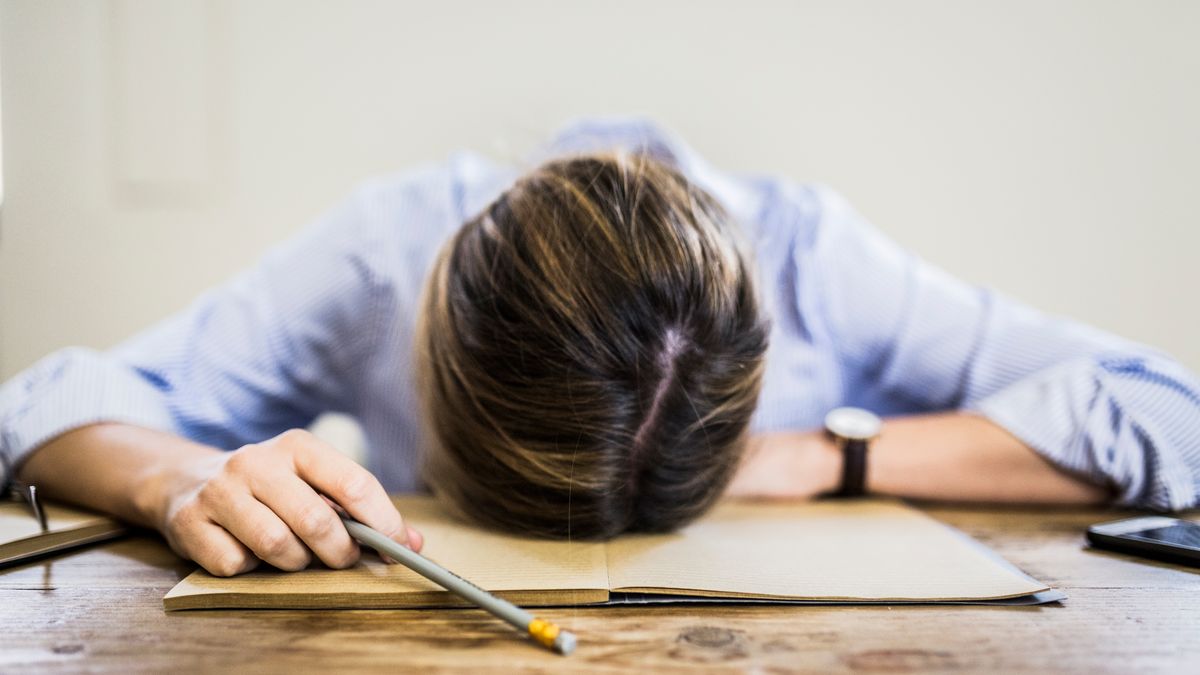
From endless scrolling to late-night emails, a Manchester GP reveals why modern life is leaving so many of us permanently tired – and what we can do about it.
05:58, 13 Apr 2026
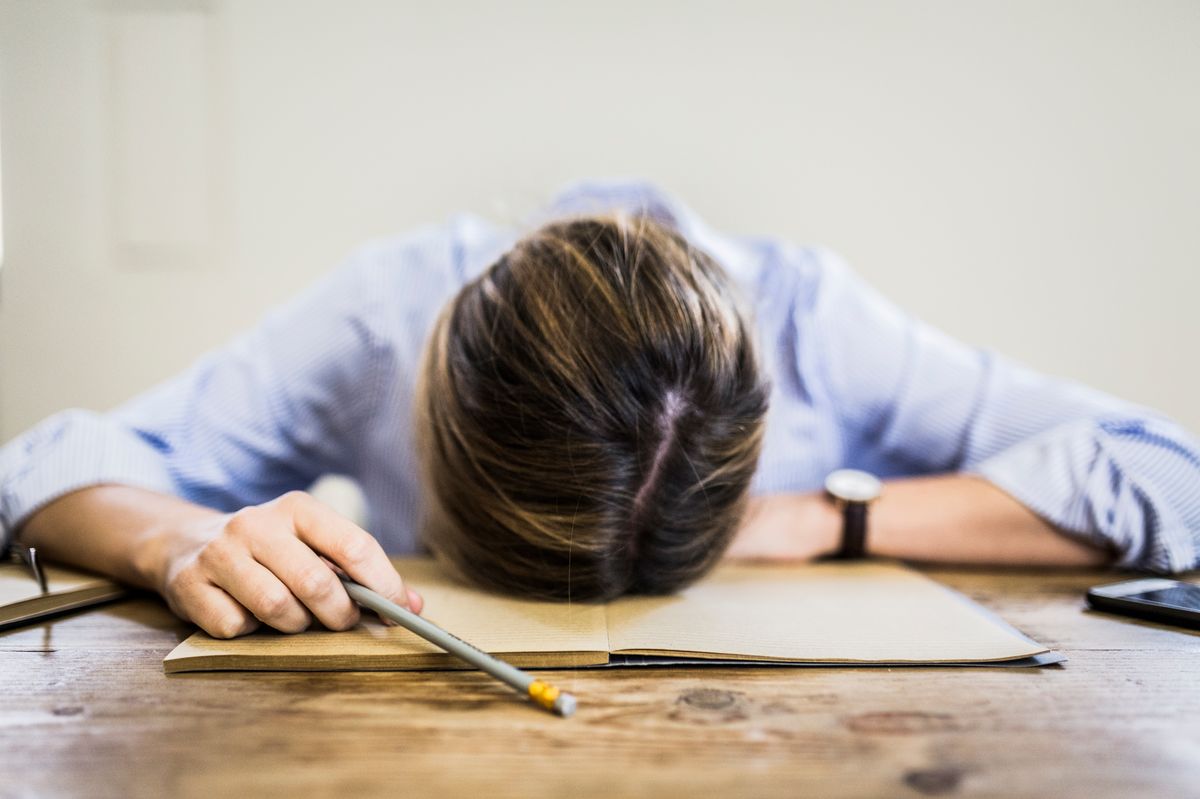
Being tired all the time could be a sign of a problem(Image: Getty Images)
Each morning, the same few words are spoken across the M.E.N. office more times than I can count.
“How are you?” Tired, you?”
Actually, I’d go as far as to say that exact exchange is happening in every school and workplace across the country – millions of times a day, every day.
For me, the likely culprit is my over-reliance on caffeine and having stayed up too late in a TikTok scroll hole, but I can’t say the same for the rest of you. So why are we all so tired?
According to a Manchester GP, the answer is far more complicated than not getting eight hours of sleep.
A modern sleepiness epidemic
Around one in 10 doctors’ appointments are about people feeling really tired, says Dr Eidn Mahmoudzadeh, GP at Barlow Medical Centre and Co-founder of The Sleep Project.
That alone suggests something significant is going on. While there’s limited data on levels of tiredness now compared to the past, some on social media have said we’re in the era of ‘The Great Exhaustion’ – where tiredness, fatigue, and burnout are becoming more prevalent.
Dr Mahmoudzadeh says modern life is a major culprit. “In the vast majority of people who come to see us feeling tired, we don’t actually find anything,” he explains. “It’s really just because people live really busy complex lives these days.”
He says there are a number of factors of modern life that are having a big impact on our sleep, such as social media and a so-called ‘always on’ culture.
“We carry our phones around with us and check our emails last thing before we go to bed or doom scroll on social media. There’s this ‘always available, always on’ culture,” says Dr Mahmoudzadeh. “We can’t even go to the loo without our phones, because god forbid we have 30 seconds where we just didn’t have anything to play with.”
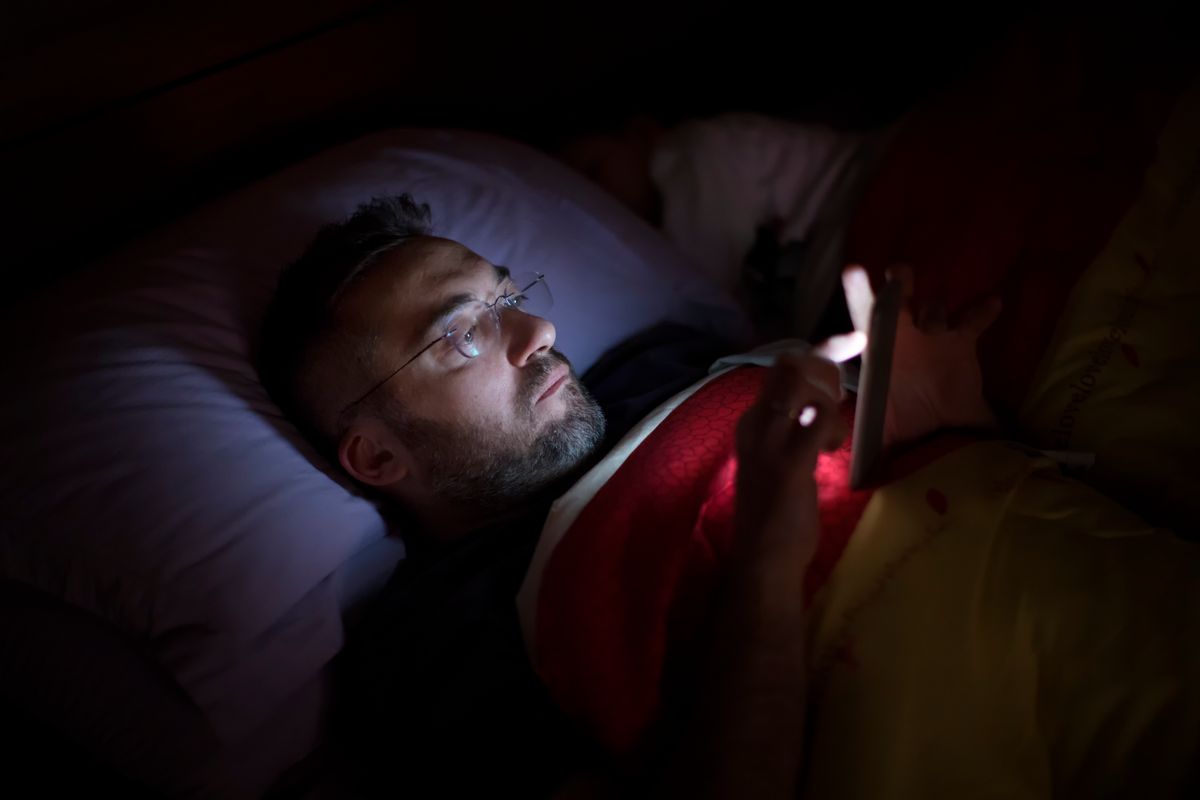
Using your phone before bed could disrupt sleep(Image: Getty Images)
As a result, he says the sympathetic nervous system – the system that triggers the body’s ‘fight-or-flight’ response to stress – is ‘always in overdrive’, which can disrupt the quality of our sleep.
“If you’re just going at 100mph from 7am when you wake up until 7pm when you turn the lights out, you’re not going to get good quality sleep,” Dr Mahmoudzadeh says.
“There’s a lot of people out there who are not getting enough sleep, either because they’re getting poor quality sleep, they’re having difficulty sleeping, or their social lives or their jobs are cutting their sleep unnaturally short,” he adds.
Fix your sleep
Poor sleep isn’t the sole reason for feeling tired the next day, but improving how long and how well we sleep can certainly help to improve energy levels.
The key to doing that? Learning how to properly switch off.
“At nighttime, you need an off-ramp to get to get off to sleep well and to get proper quality sleep,” Dr Mahmoudzadeh explains. “You need ideally an hour of a wind down routine.”
He recommends ditching devices in the final hour before bed, unless they’re used for things like meditation or breath work, which have shown to help reduce stress and anxiety levels. But emails and social media scrolls should be off limits – and, instead, he advises dimming the lights and running a hot bath.
Move more to feel less tired
It might sound counterintuitive, but one of the most effective ways to boost your energy is to use more of it.
“Exercise is really effective at reducing stress levels, improving sleep quality, and improving energy levels,” Dr Mahmoudzadeh says. “I don’t mean really strenuous, intense exercise all the time. What’s what’s really important with exercise is the regularity of it – the consistency with it.”

Poor sleep quality can cause daytime sleepiness(Image: Getty Images)
Even if it’s just a 15 minute walk or 20 minutes of gardening, doing this four or five times a week on a consistent basis has been shown to increase energy levels, he adds.
In a world where many of us deplete our energy spending hours sitting at desks or on sofas, simply moving a little more, more often, can make a noticeable difference.
Watch what you eat and drink
For many of us, tiredness is treated with coffee. But while caffeine can offer a quick fix, it can also make things worse later on.
“The way that caffeine works is it blocks a chemical in our brain that makes us feel sleepy,” Dr Mahmoudzadeh explains. “That chemical – adenosine – builds up in our brain throughout the day. It’s not the only thing that affects how we sleep, but…the more of it there is in the brain, the more sleepy we feel.”
So when the caffeine wears off, the effect can rebound. “You then get that mid-afternoon crash because all the adenosine that your brain has suddenly realised is actually still there,” he adds.
It can also interfere with sleep long after your last cup. Thanks to the half life of caffeine – the time it takes for it to decrease to half its level – if you’ve drank four cups of coffee by midday, could still have one cup’s worth swirling around in your system by midnight.
“Even if you fall asleep fine, you get less deep sleep,” he adds, advising people to limit caffeine intake to two to three cups a day, in the morning only.

Caffeine is known to disrupt sleep quality(Image: Getty Images)
Diet also plays an important role in energy levels, particularly when it comes to blood sugar. Quickly-digested carbohydrates like sugars, white bread, and pasta cause your blood sugar to ‘shoot up and then crash’, Dr Mahmoudzadeh says.
“You get these massive peaks and troughs in your sugar level, and that causes a significant amount of tiredness as well,” he adds.
Instead, opting for slower-release energy – complex carbohydrates, alongside protein and healthy fats – can help keep energy levels steady throughout the day.
When tiredness shouldn’t be ignored
For most people, feeling tired is a symptom of modern life. But there are times when it could be a sign of something more serious.
Dr Mahmoudzadeh says anyone who feels unusually tired all the time and has noticed a significant change should see a doctor. While rare, underlying medical conditions can sometimes be the cause, including anaemia, thyroid problems, vitamin deficiencies and diabetes.
There are also specific red flags to watch out for, such as falling asleep without intending to. This kind of daytime sleepiness – especially dozing off at work, while watching TV or while driving – could point to conditions like obstructive sleep apnoea.
Other warning signs include unexplained weight loss, lumps or bumps, particularly in the neck, armpit or groin, or any noticeable change in your usual energy levels.
“If you’ve felt knackered for the last 20 years, it’s not likely that we’re going to find anything medical that’s causing it,” he says. “But if you’ve noticed a significant change from three to six months ago, then it could be something medical going on.”
In other words, being tired might feel normal – but that doesn’t mean it always is. And in a world that never switches off, learning how to rest properly might be one of the most important things we can do.
The Sleep Project’s seven habits for better sleep can be viewed here.