

The warning signs can easily be dismissed as coming from a busy lifestyle
If sleep doesn’t help your tiredness, something could be wrong(Image: Dmitrii Marchenko via Getty Images)
Women who are tired, even after a full night’s sleep, should ask their GP to test them for a common condition that millions put down to hectic lifestyles. In reality, ignoring the warning signs could put people at risk of significant harm.
On his No Appointment Necessary podcast, ITV regular and NHS GP Dr Amir Khan claimed that it is “so common” for women at or below perimenopausal age to develop anaemia due to blood loss from their period. Perimenopause usually begins in a woman’s 40s, with the average onset age being around 47.
He said: “The kind of symptoms we look out for are tiredness, [it] is the most common symptom. Women often put their tiredness down to being busy because they are busy people, managing a lot. If you are so tired that, even after sleep, you don’t feel refreshed, you could well be anaemic.”
Recurring infections can also serve as a warning signal, according to Dr Khan. He explained that, since the body requires iron and red blood cells to maintain the immune system, those who do not produce sufficient amounts naturally are more prone to these problems.
Getting the right help is crucial if you think you have iron deficiency anaemia. When left untreated, it can increase your susceptibility to illness and infection and may heighten your risk of developing complications affecting the heart or lungs. It can also pose greater risks of complications before and after birth for pregnant women, reports the Express.
Content cannot be displayed without consent
According to the NHS website, iron deficiency anaemia is the most common form of anaemia. It affects billions of people across the world in varying degrees, with heavy periods and pregnancy being one of the most common causes.
Beyond the symptoms highlighted by Dr Khan in his Instagram video, other frequently reported warning signs can include headaches, unusually pale skin, shortness of breath and noticeable heartbeats (heart palpitations).
Restless leg syndrome is featured as one of the rarer anaemia indicators on the NHS website. This condition causes a powerful compulsion to move your legs, often while resting during the evening. To confirm a diagnosis, a GP will carry out a blood test and may also enquire about your lifestyle and medical history.
Is iron deficiency anaemia treatable?
Once the underlying cause of your iron deficiency anaemia has been identified, your GP will recommend appropriate treatment. Should the test reveal a low red blood cell count, doctors will typically prescribe iron tablets, which need to be taken for about six months.
Throughout treatment, your doctor may order repeat blood tests every few months to monitor whether your iron levels are returning to normal. Alongside medication, diet plays a crucial role in maintaining healthy iron levels and preventing anaemia.
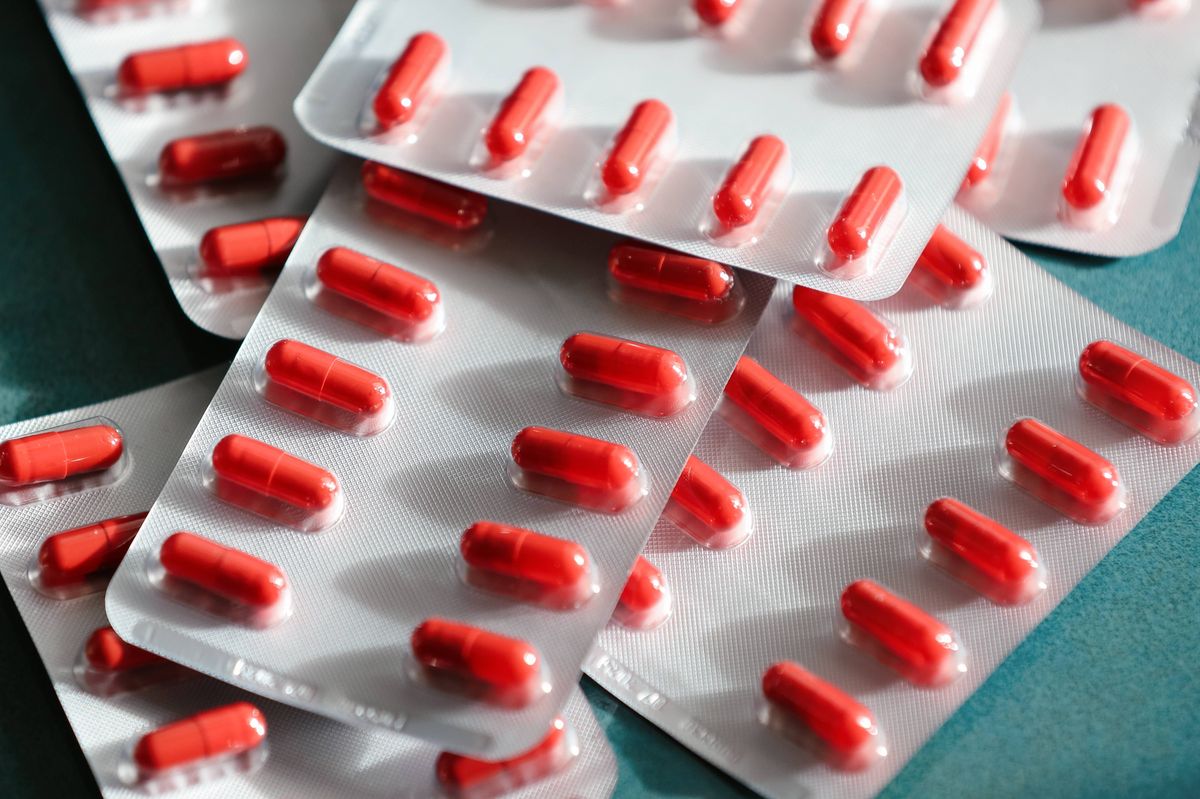
A GP may prescribe iron tablets to get levels back up to normal (stock image)(Image: Elena Popova via Getty Images)
What foods should I be eating more of?
Iron is a vital mineral our bodies need to produce red blood cells, which transport oxygen throughout the body. Despite this need, the human body does not naturally produce iron, meaning diet is the most effective way to ensure you get sufficient iron daily.
According to the NHS, the amount of iron required varies depending on age and gender assigned at birth. Men over 19 and women over 50 need 8.7mg per day, while women aged 19-49 are advised to double that intake to 14.8mg per day, accounting for blood loss during periods.
A number of iron-rich foods can help the body meet this daily requirement. The NHS recommends people try to eat more:
dark-green leafy vegetables (like watercress and curly kale)cereals and bread with extra iron in them (fortified)red meats (beef, lamb, pork, veal, mutton, venison, and goat)beans, such as red kidney beans, edamame beans and chickpeasdried fruit (like apricots, prunes and raisins)pulses (beans, peas and lentils)
People should also look to cut down on tea, coffee, milk and dairy. Foods with high levels of phytic acid, such as wholegrain cereals, can also prevent your body from absorbing iron from other foods and tablets.