
Pharmacist warns that dark stripes and other toenail changes can signal health problems – from nutrient deficiencies to skin cancer – and urges people to check their feet regularly
03:30, 18 Apr 2026Updated 09:35, 18 Apr 2026
Spring means people are often beginning to think about ditching socks and shoes for sandals(Image: Getty)
Winter weather means feet are often hidden away in socks and slippers meaning toes rarely receive much attention. However, those little checked over body parts can actually serve as vital indicators of our overall health.
Now, as spring, along with the start of warmer weather, comes along people are starting to take a closer look at their feet and they might discover some signs that have been missed over the colder months. And they could hold clues to some potentially serious health issues.
These can include nutritional deficiencies, diabetes, and even serious circulatory conditions. Sheena Bagga, Pharmacist Prescriber at LloydsPharmacy Online Doctor, previously highlighted the importance of toe and nail health, identifying eight symptoms that should raise red flags.
People are starting to get their feet ready for summer(Image: Getty Images)
She stressed: “While often overlooked, your toenails and feet play a huge role in your overall health and it’s important to pay attention to their condition. While everyone’s toes look different, healthy nails should have a smooth surface with light pink or translucent colouration without much variation in shade or hue.”
Yellow nails
One concern to watch out for is yellow discolouration of the toenails, which may indicate an infection affecting any part of the nail, resulting in changes to colour, texture, and thickness. It could also point to nail psoriasis, characterised by a pitted appearance or separation from the nail bed.
To prevent toenail infections, it is recommended to keep nails short, clean and well-maintained, wear a fresh pair of socks every day, and ensure your footwear fits correctly.
Dark stripes on the nail
This condition, known as Melanonychia, presents as a brown or black band running lengthwise along the nail. While generally harmless and simply a variation in nail pigmentation, in rare cases it can be a warning sign of Subungual Melanoma, a type of skin cancer.
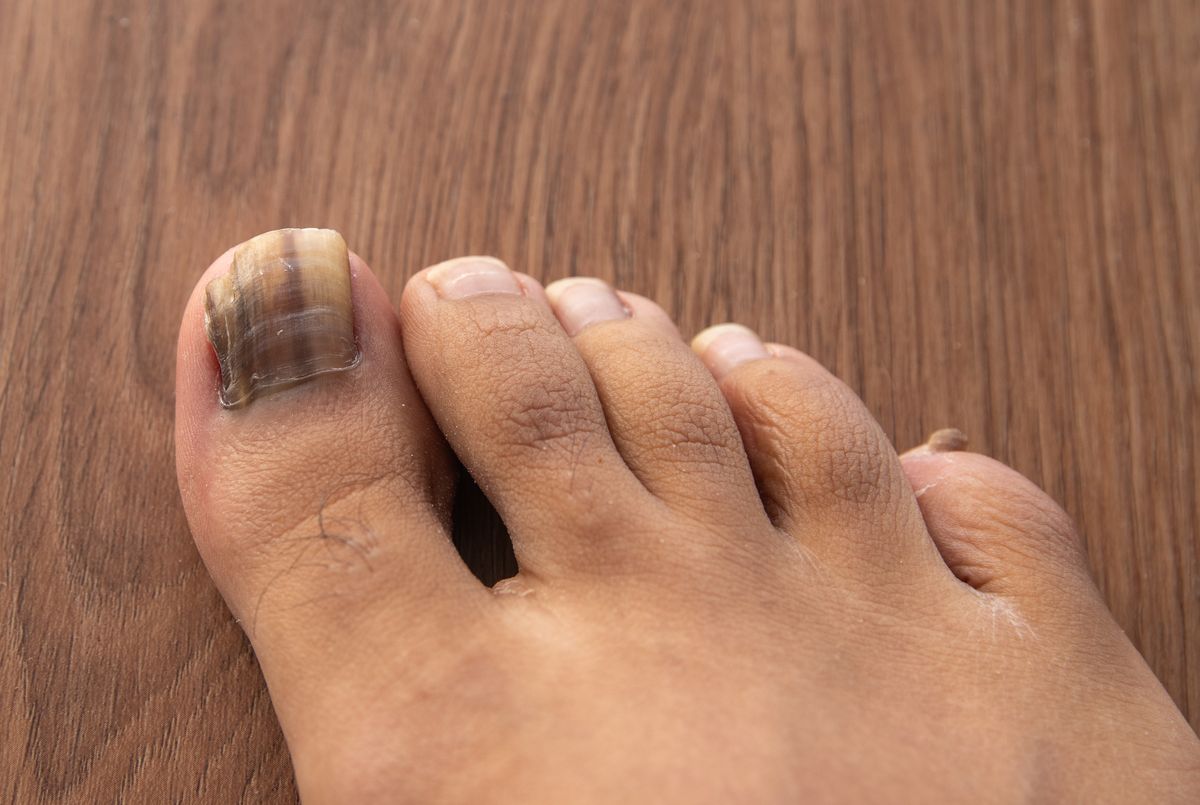
Some signs on your toenails could show a potential health problem
To help guard against Melanonychia, maintaining good nail and foot hygiene is crucial. Avoiding nail trauma is vital – if you do injure your nail, allow it to heal completely and resist the urge to pick at it.
Swollen toes
Toe swelling can stem from a range of conditions, including lymphatic issues, poor blood circulation, or even gout. It is therefore advisable to consult your GP if you are experiencing other concerning symptoms such as pain, aching, or restricted movement.
Gout is a form of inflammatory arthritis characterised by sudden, intense joint pain, most commonly in the big toe, triggered by a build-up of uric acid crystals in the joints. It is more prevalent in those who are overweight, and adopting a healthy diet that encourages weight loss can help keep the condition in check.
Toe swelling can also arise from less serious causes, including prolonged periods of sitting or standing, ill-fitting footwear, excess body weight, dehydration, or a high-salt diet. Embracing a well-balanced, nutritious lifestyle alongside regular exercise may help ease these common complaints.
White toenails
White spots or lines on your nails, known as “leukonychia”, are frequently caused by accidental trauma such as stubbing your toe. In some cases, they may indicate deficiencies in protein, zinc, or iron.
Fungal infections can turn nails white while making them brittle and crumbly, particularly if your feet are regularly kept warm and moist — such as when wearing trainers for extended periods when they become hot and sweaty.
While uncommon, completely white nails can point to more serious underlying conditions, potentially signalling systemic health issues such as liver cirrhosis, hyperthyroidism, or diabetes. Should any accompanying symptoms cause concern, it is essential to seek advice from your GP to establish the root cause.
Blue discolouration
A bluish tinge to your nails, combined with an unusual coldness in your toes, could suggest poor blood circulation, commonly linked to Raynaud’s disease. This condition causes the narrowing of small arteries that deliver blood to your digits.

Feet are starting to emerge as the weather improves(Image: Getty)
Regular exercise can improve blood flow, which is helpful in managing Raynaud’s symptoms and maintaining a healthy weight.
Itchy toes
Athlete’s Foot, a widespread fungal infection, manifests as itchy white patches between your toes. It can also spread to the soles or sides of your feet, occasionally resulting in fluid-filled blisters.
To help prevent Athlete’s Foot, make sure to thoroughly dry your feet after washing them, especially between your toes. Additionally, wear fresh socks daily – cotton is best as it enables the skin to breathe more effectively.
Ulcers on toes or feet
Unlike a blister that develops beneath the skin, an ulcer is a break in the skin’s surface, presenting as an open wound. It’s essential that these receive proper care to reduce any risk of infection.
While the wound remains exposed, it can leave you vulnerable to contracting an infection, which in serious cases can result in amputation. A diabetic foot ulcer is defined as an open wound or sore on the skin that requires a prolonged period to heal.
Spoon Nails
Regularly examining your toenails is vital. If your toenails alter in shape and look curved or ‘spoon’ shaped, it could suggest an iron deficiency or anaemia.
Iron is essential for generating healthy red blood cells and sustaining proper nail health, so it’s important to speak with a healthcare provider who may suggest taking a supplement.
While problems with toes and nails can frequently be simply treated, if you’re encountering symptoms stemming from conditions like diabetes, poor circulation, or nutritional deficiencies, it’s crucial to follow a healthy, balanced diet for your overall wellbeing.