

Bowel cancer is increasing in under 50s as breakthrough immunotherapy drug could change the way it is treated by NHS – meaning patients don’t need colostomy bag
15:15, 23 Apr 2026Updated 16:45, 23 Apr 2026
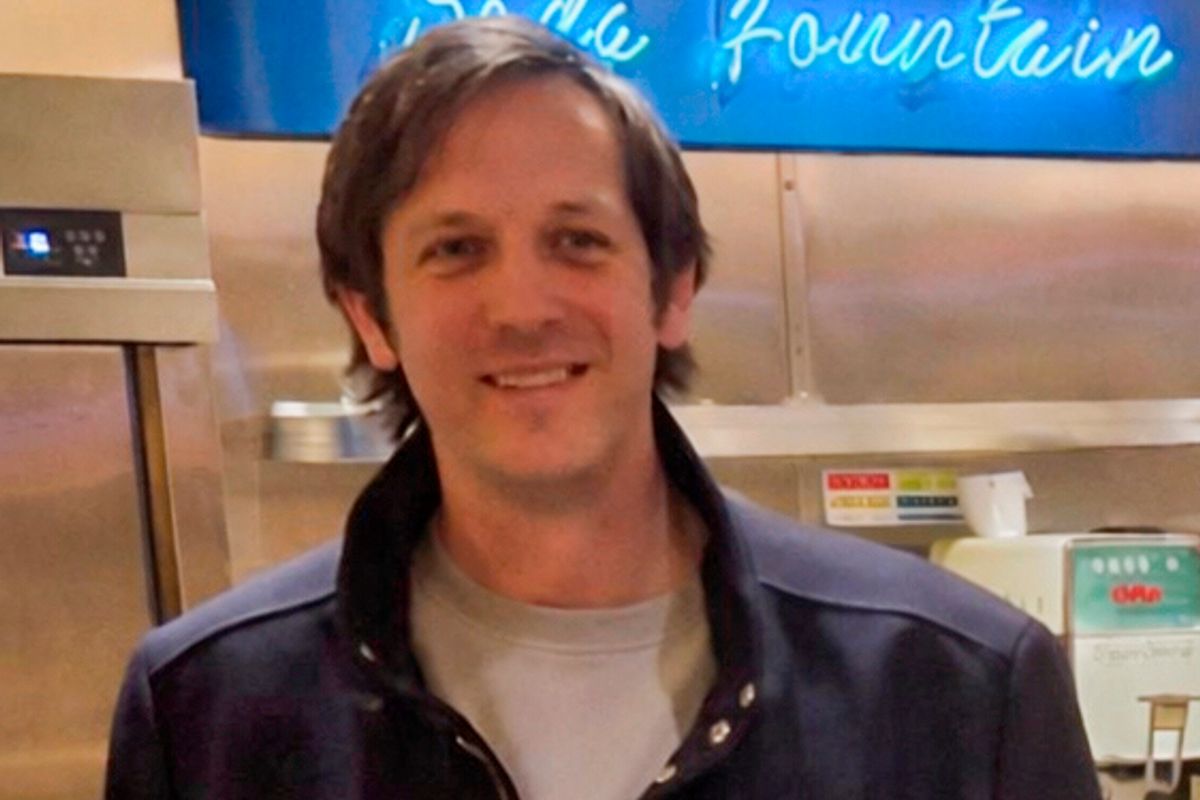
Nick is cancer free after taking part in a clinical trial
A new drug is being trialled which can eradicate a cancer which is increasing in young adults.
Bowel cancer causes common symptoms so is hard to diagnose, now kills almost 17,000 Brits each year and is increasing in the under 50s – but the new NHS trial could change the way it is treated. It claimed the life of “Bowel Babe” TV presenter Dame Deborah James in 2022, aged 40.
Train driver Nick Cleworth, 48, has told how his golf ball-sized tumour was eradicated by the new immunotherapy drug without the need for surgery which would have left him needing a colostomy bag.

Nick with his son Dan
READ MORE: Bowel cancer warning as deaths expected to rise in the UK this yearREAD MORE: Wes Streeting: ‘My friend died of cancer last week – I feel survivor’s guilt’
The father-of-one received the drug called palupiprant alongside standard chemotherapy and radiotherapy as part of the ongoing trial of 140 patients across 22 NHS sites. It stimulates the body’s own immune response against the cancer, helping it recognise and destroy cancer cells.
Nick, from Salford, said: “I had a chat with the surgeon at my local hospital who said that because of the size and position of my tumour, he wouldn’t be able to operate without leaving me with a permanent colostomy bag and, although I was obviously willing to do anything to get rid of my cancer, it wasn’t ideal.”
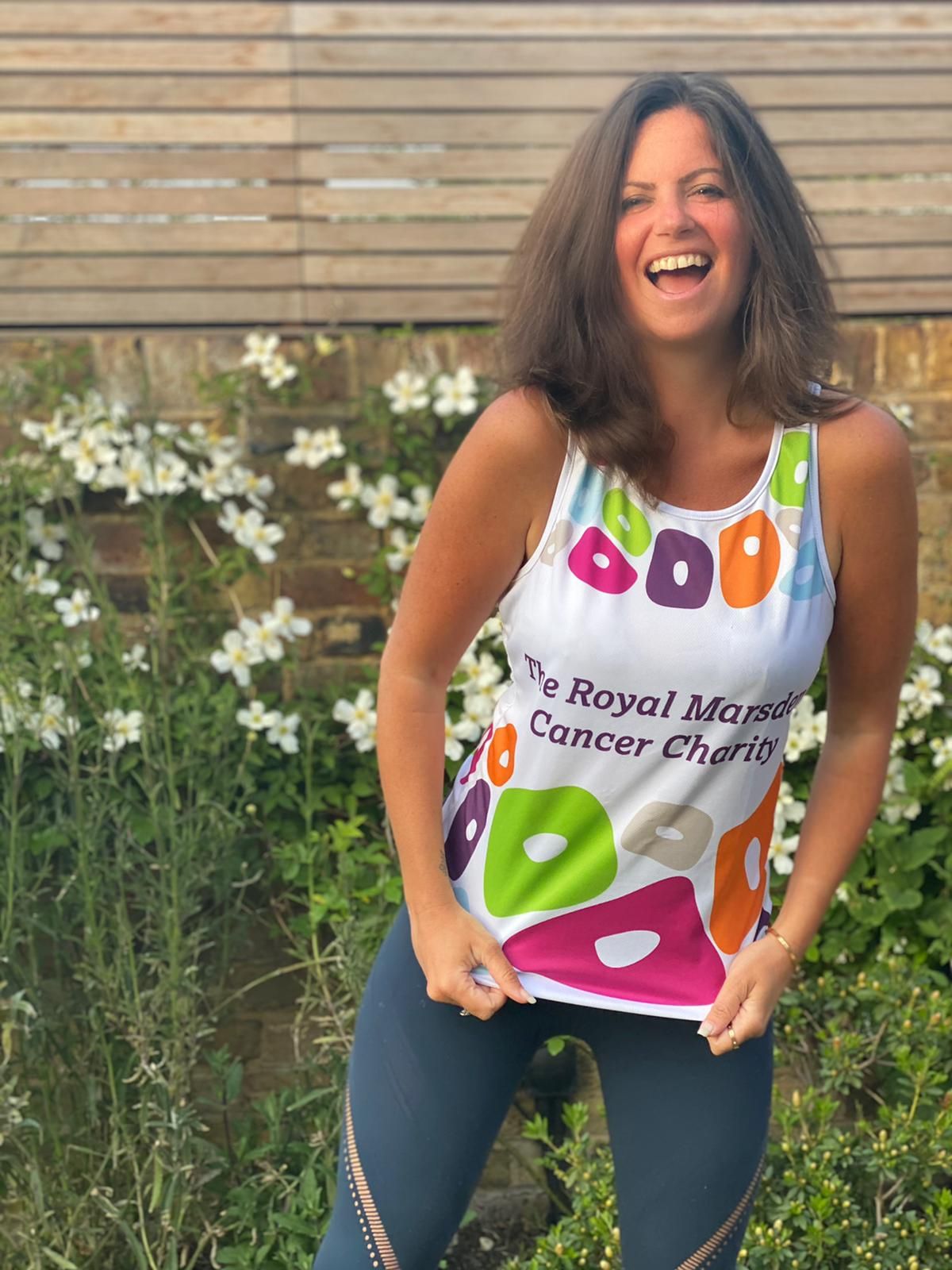
Dame Deborah James raised awareness of bowel cancer after her terminal diagnosis(Image: PA)
A previous Lancet study found rates of early onset bowel cancer in those aged 25 to 49 are rising more sharply in England than in many other countries around the world.
Studies are ongoing to work out why more younger people are developing bowel cancer, but experts believe poor diet, more ultra-processed foods, obesity and a lack of exercise are playing a role.
However Nick, who has been married to wife Louise for 20 years, always knew he was at greater genetic risk because his father died from the disease. He feared the worst when blood started appearing in his stool in late 2024 and after seeing his GP, scans revealed a 4cm tumour in his rectum which had also spread to nearby lymph nodes.
Nick said: “My dad was 48 when he died from bowel cancer, the same age that I am now, so I’d always been vigilant about my health. But even though it was something that I knew might happen, the diagnosis still hit me extra hard. I couldn’t help but think about my dad and what he went through. It was a really difficult time.”
In a meeting with his consultant Dr Claire Arthur at specialist cancer centre The Christie NHS Foundation Trust in Manchester, Nick found out he might be eligible for the ARTEMIS trial that could avoid the need for surgery altogether. An earlier phase 1b trial of palupiprant had eradicated cancer in 36% of participants after six months of treatment.
Nick said: “I was much more positive coming out of that first meeting with Dr Arthur. She was very calm and reassuring. I left feeling like we had a plan and, more importantly, I felt hopeful for the first time since my diagnosis. She helped put me in the right mindset to tackle my treatment.”
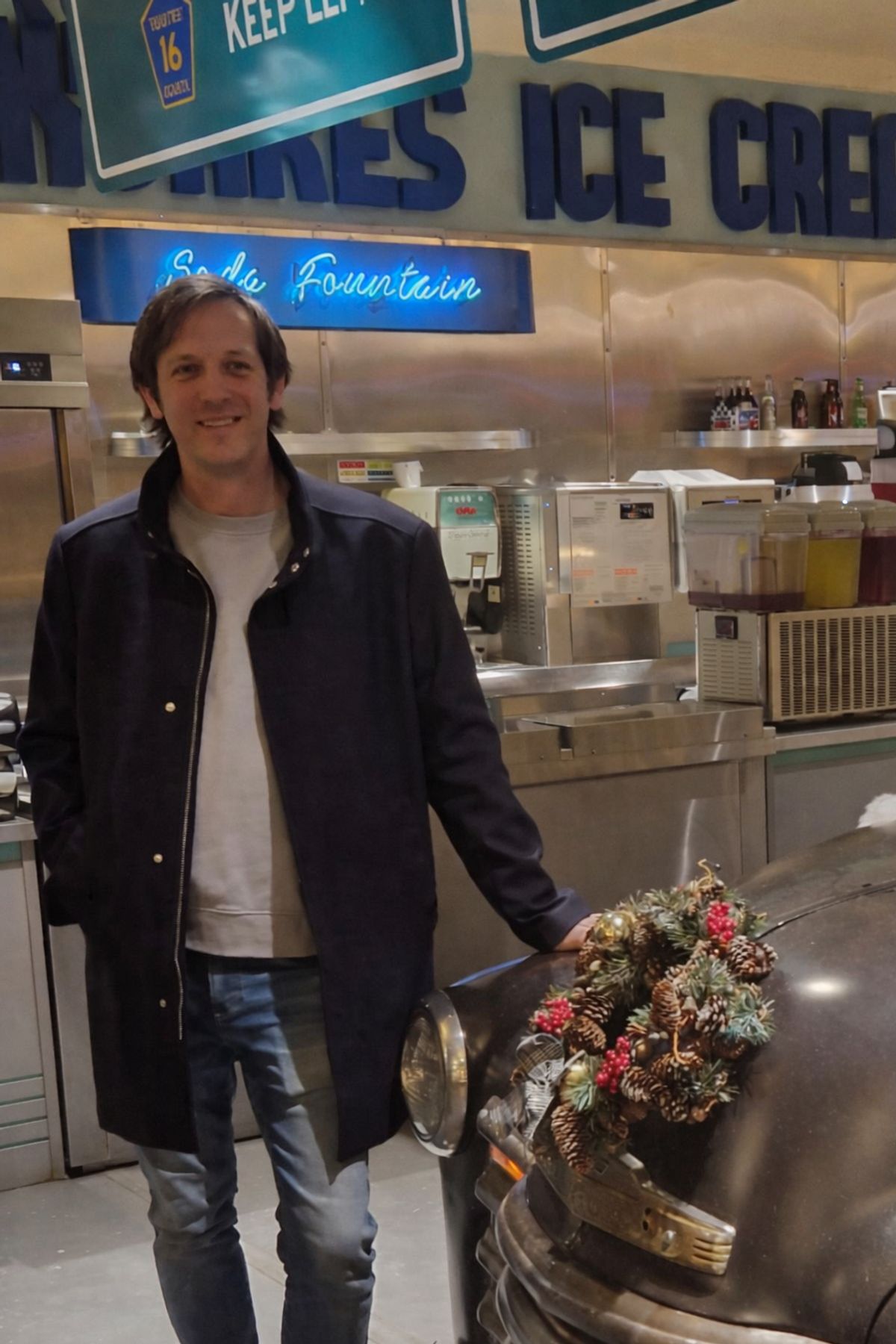
Nick is currently cancer free
Nick had a scan in July, which showed he was cancer-free, and he has stayed that way ever since. He added: “I know there’s a chance that my cancer could come back, but I’m just taking each day as it comes. I’ve got three holidays planned for this year and am living life to the full. Thanks to the trial, I didn’t have to have surgery, which meant I could get back to doing the things I love.”
Bowel cancer is a general term for cancer that begins in the large bowel – colon or rectum. It often develops from precancerous growths called polyps.
NHS data out this week showed bowel screening has surged by almost 50% in a decade, with Dame Deborah James credited for boosting uptake.
Dr Claire Arthur, Nick’s consultant clinical oncologist at The Christie, said: “Immunotherapy has only been around for a relatively short time, but it is an exciting development. As it harnesses the body’s immune system to fight the cancer.”
How do clinical trials work?
UK clinical trials usually go through three phases before a new drug is approved for use by regulators.
Phase I tests the drug on a small number of volunteers and its main purpose is to work out the best dose and check for side effects.
Phase II focuses on how well the drug works and its short-term side effects. If successful this is then followed by a larger phase III trial which seeks to confirm effectiveness in thousands of patients.
To ensure reliable results participants can be randomly assigned to groups to either receive the new drug, or just the standard previous care. Sometimes trials are “blinded” so that even doctors treating them do not know which patients has received the new drug or a placebo.
The ARTEMIS trial is a phase II clinical trial testing whether adding palupiprant successfully treats rectal cancer better than radiotherapy and chemotherapy alone.
Dr Arthur said: “It’s great to see that Nick has had such a good response to the trial treatment and that he tolerated treatment well. Immunotherapy generally comes with different side effects than traditional chemotherapy, and we’re continuing to learn about this.
“Although ARTEMIS is still in its early stages, a smaller study involving palupiprant had previously showed some promising results. By involving more patients, we hope to be able to validate those findings and hopefully change the way rectal cancer is treated on the NHS.”
*The NHS is part of the national Be Part of Research initiative to allow people to express an interest in taking part in clinical trials across the UK.
After registering, you can choose what conditions you’re interested in. Researchers then match people to suitable research studies – then you decide if you’d like to take part.
Click HERE to register or find out more.