
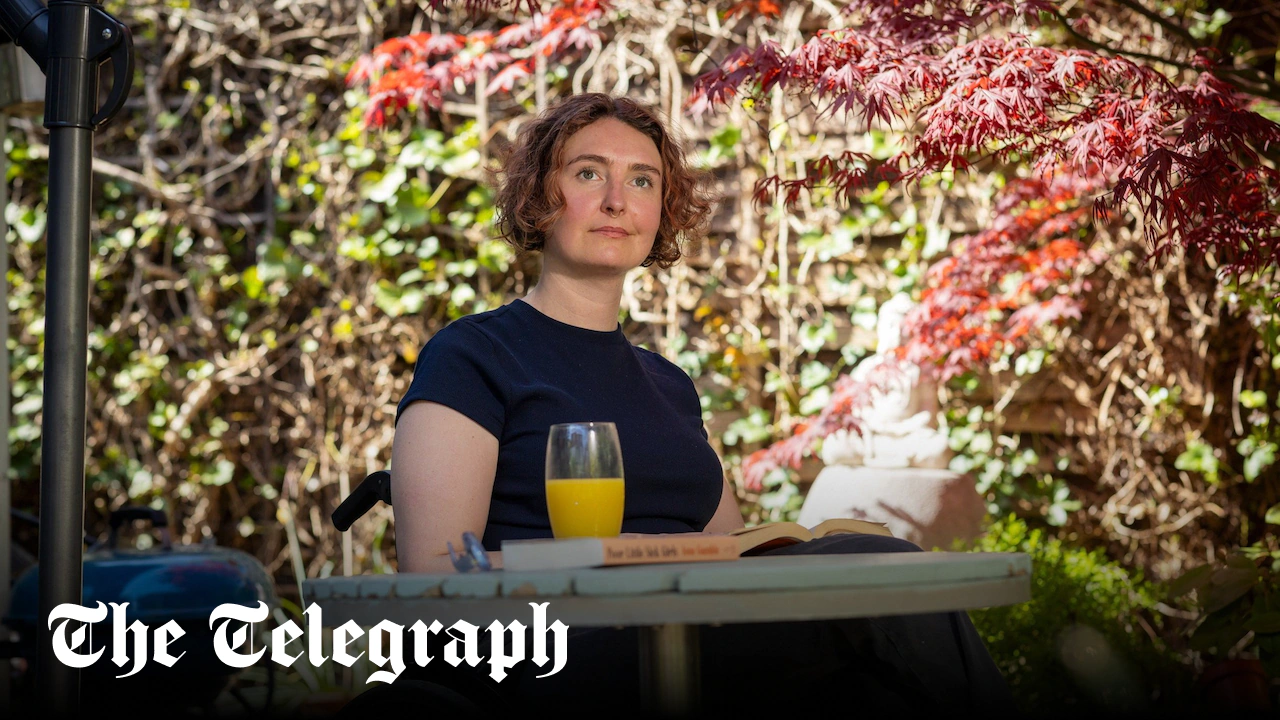
A woman in cardiac arrest was left brain damaged after being starved of oxygen when paramedics delayed defibrillation by pressing “the wrong button”.
Meg Fozzard now has speech difficulties, struggles with fatigue and requires a wheelchair after ambulance crews delayed administering a life-saving electric shock by eight minutes.
The 33-year-old collapsed at her home in Walworth, south London, struggling to breathe and fitting as she went into cardiac arrest in April 2019.
When paramedics arrived, after a delay in finding the flat, they did not believe Ms Fozzard had a heart problem, despite warnings from the emergency call handler minutes earlier.
They initially failed to switch the specialist defibrillator into automatic analysis mode, which determines whether a shock is needed.
The crew then pressed the wrong button on the machine, known as a LifePak, delaying its evaluation for another four minutes.
Breach in duty of care
Ms Fozzard, a TV producer, has received an undisclosed settlement from London Ambulance Service NHS Trust which has admitted breaches in its duty of care.
She said: “It’s almost impossible to find the words to describe the physical and emotional impact of trying to come to terms with what happened.
“Before my injury, I’d hop on a train or even fly across the world and visit friends but that all changed.
“I’d gone from being independent to being reliant on others. I even struggled to tell people what I needed because of my speech.”
Her cardiac arrest happened as a result of an undiagnosed, underlying heart condition. She was not able to work for 14 months after the incident, and experiences symptoms including brain fog, lack of dexterity and involuntary spasms in her limbs.
With the support of a speech and language therapist, a physiotherapist and an occupational therapist, she is now able to stand for up to an hour, and has returned to work part-time as a freelance producer with a focus on disability rights.
Ms Fozzard added: “I know I’ve a long way to go but I finally feel like I’m getting back to being the person I was before.
“However, I’ll always be upset at the care I received when I was in desperate need so it’s vital action is taking to improve patient safety for others.”