

In our weekly series, readers can email in with any questions about retirement and pension savings to be answered by our expert, Rachel Vahey, head of public policy at investment platform AJ Bell. There is nothing she does not know about pensions. If you have a question for her, email us at money@theipaper.com.
Question: I am aged 73. I became eligible for state pension when I was 65 but chose not to take it at that point because I was in full-time employment and already paying the higher rate of income tax. I retired completely from employment when I was 68 and then chose to take my state pension, which —with my work pension — meant that I was on the lower rate of income tax. However, when I was 70 I started working part-time. This now means that I am in the bizarre situation of effectively paying the higher rate of income tax on a minimum wage. Can I defer my state pension again temporarily.
Answer: For most people their state pension forms a valuable foundation for their income in retirement. Those who claim the new state pension could be receiving over £12,540 a year.
Shorts
Scroll to previous short
Scroll to next short


FOOD AND DRINK
The UPFs the
health experts eat
In the UK, 50 per cent of our daily energy comes from ultra-processed sources, rather than fresh, minimally processed food.
This has been blamed as one of the reasons for the nation’s poor health and high rates of obesity. While all UPFs get a bad reputation, there are some that are better than others.
We asked the health experts which UPFs they include in their diets.
The UPFs the health experts buy
Sausages
Dietitian Aisling Pigott has sausages once a week, choosing the vegan or high-meat versions.
Orange squash
Priya Tew buys no-added sugar squash to help her children drink more water.


Lentil crisps
Nutritionist Jenna Hope has these as an alternative to regular crisps.
The UPFs the health experts buy
Baked beans
Dr Linia Patel, a dietitian and performance nutritionist, enjoys baked beans. She eats them on a jacket potato with cheese and a side salad as a quick, filling and nutrient dense meal.
 Squirts of ketchup up the sugar in his diet (Richard Heathcote/Getty Images)
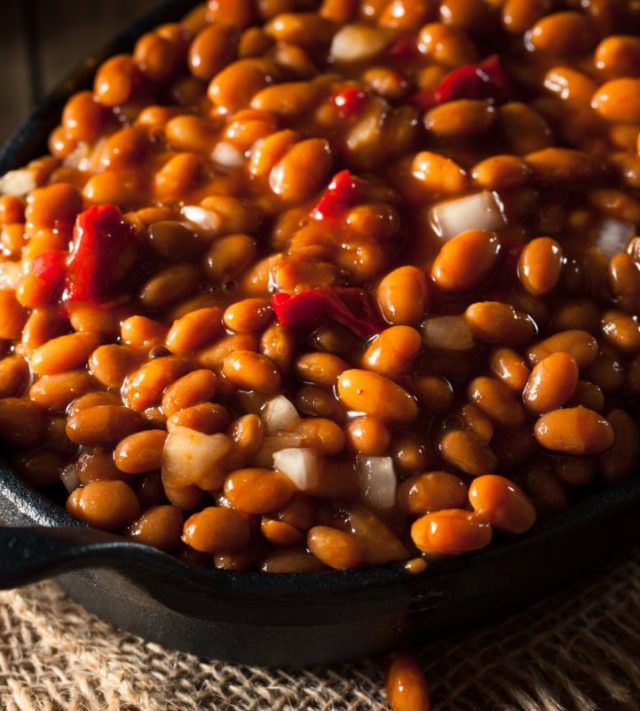 Caption: Homemade Barbecue Baked Beans in a Black Skillet
Photographer: Dragos Rusu / 500px
Provider: Getty Images/500px
Source: 500px
Ketchup
Gut health nutritionist Yalda Alaoui, who follows a mostly anti-inflammatory diet, has ketchup as small amounts do not impact her blood glucose levels.
Other UPFs that health experts put in their shopping basket
 Some people can be concerned about a sugar rush (Photo: Elizabeth Perez Holowaty/Getty)
Haribo sweets for their children
so they can learn to self-regulate with food.
 It’s estimated ultra processed foods make up at least half of the average UK diet (Photo: Getty)
Emergency cereal bars when homemade flapjacks run out.
 Sriracha chilli sauce on the production line (David McNew/Getty Images)
Hot sauce and mayonnaise
 Caption: Oakland, CA – December 02, 2016: Grocery store shelf with jars of Marmite brand Yeast Extract. A by-product of beer brewing, enjoyed at any time on toast for breakfast, in sandwiches at lunchtime; Shutterstock ID 545767972; Purchase Order: –
Photographer: Sheila Fitzgerald
Provider: Shutterstock / Sheila Fitzgerald
Source: Shutterstock
Marmite as a source of vitamin
B12 and potassium.
 Photographer: Aleksandr Zubkov
Provider: Getty Images
Source: Moment RF
Almond milk in morning drinks, fortified with vitamin D.
How to find balance
My mantra with UPFs is ‘reduce but not restrict’. I don’t think we need to cut them out but it’s a good idea to assess how much you eat. If some are [things] you especially love, then cutting them out can lead to you craving them more.
Priya Tew, registered dietitian specialising in eating disorders
 Senior female friends spending leisure time knitting while sitting at table in retirement home – stock photo. (Photo: Getty)
How can people give themselves the best chance of a good retirement?
Are retirees in the UK happy?
What the statistics say
47%
Almost half of studies into the impact of retirement on people’s mental health report a negative impact on life satisfaction.
72%
According to the latest Office for National Statistics (ONS) figures, among those aged 50-59 who have left the workforce, 72 per cent would consider returning to work, often citing a need for financial security and purpose.
Nearly a third (32 per cent) of 50-70 year-olds retired earlier than they hoped.
Volunteering
73-year-old Martin Delgado, who retired from his role as a journalist, enrolled as a volunteer with the NHS 10 years ago.
He attends seminars, goes on training courses and works with psychiatric patients at an NHS mental health trust in London.
(As well as looking after his grandson).


Big Read
9 min read
Martin’s other tips for retirement
 Elderly couple taking selfie while hiking together in autumn mountains. – stock photo. (Photo: Getty)
Have hobbies
He often goes on bike rides, hikes, solo camping trips and finds time to read.
Exercise
He runs two or three mornings a week and when it becomes too much is planning to take up swimming or cycling.
 Find the best shoes for you (Photo: Xavier Lorenzo/Getty/Moment RF)
Spend time with family
“I spend as much time with our grandson as I can. Having him around has had a huge emotional impact.”
It doesn’t have to be all or nothing
For Toni Del Mar, 75, one of the things that has made her retirement a happy one is spending more spontaneous time with friends in her Devon village.
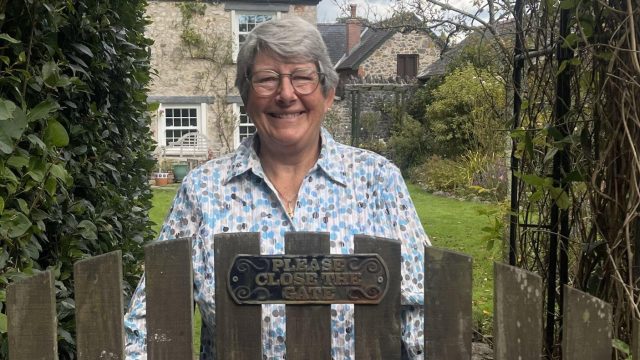
But she hasn’t given up everything completely. Mar runs her home as a B&B which she cleans and prepares for guests.
It provides her with purpose and help
paying the bills.

If you’re struggling, there’s hope
Retirement was the biggest challenge of my life.
Simon McEwan, who had a 43-year career in journalism, felt lost without structure and routine. He wishes he’d have phased work out slowly.
Now he’s built a new routine including exercise, mindfulness, meditation and joined a mental health walking group.
How to stay connected
1Plan in advance – join community groups or take up new hobbies that can bridge the initial gap when work stops.
2 Enjoy the arts – creativity can provide a new sense of purpose and organic opportunities for new bonds.
3Maximise fulfillment – identify activities that you enjoy, and take time to build up interest.
4Balance your activities – mix ones for enjoyment with ones that help others. For example, volunteering at local community groups.
The mistakes parents make at home

Baby-proofing professionals like Al Kola from Baby Safe Steps say there are several mistakes he often sees that are actually more harmful than helpful.
He shares the most common ones.
Accidents in the UK
Unintentional injuries in and around the home are a leading cause of preventable death for children under five years.
67,000
Every year, more than 67,000 children experience an accident in the kitchen, says the Royal Society for the Prevention of Accidents.
58,000
58,000 children have accidents on the stairs, often where the most serious incidents occur.
The mistakes parents make
The wrong gate
Pressure gates – gates with a bar along the bottom to keep them fixed in place – shouldn’t be on the stairs as the bar is a trip hazard. You can end up flying down the stairs with your baby.
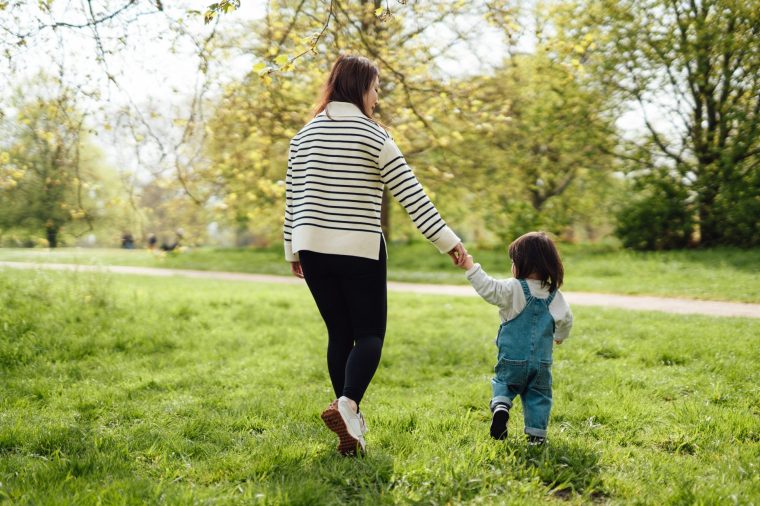 Young Asian mother enjoying family time with her toddler in nature – stock photo. (Photo: Getty)
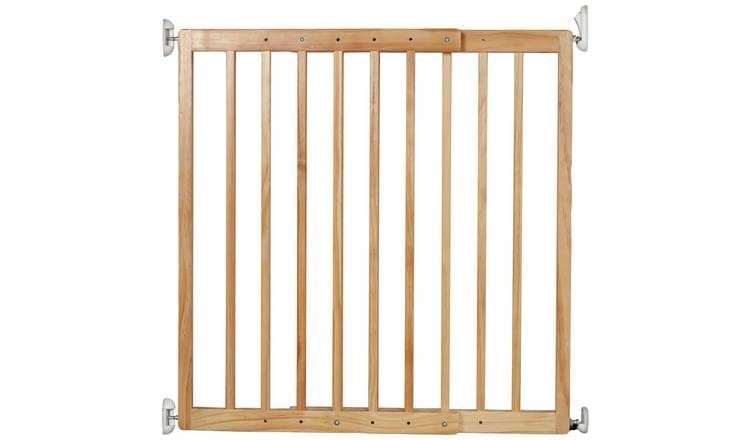 The Cuggle Extending wooden gate failed some of the tests (Photo: Argos)
Not securing furniture
Parents tend to assume that kids won’t do XYZ. For example, we might assume they won’t pull on drawers, but they can, and it’s a threat that can land on them.
What to do
 Father with baby on hands standing near window at home. – stock photo. (Photo: Getty)
Don’t leave windows ajar
The window could be pushed open the rest of the way by a toddler of about two years old.
Hide cords
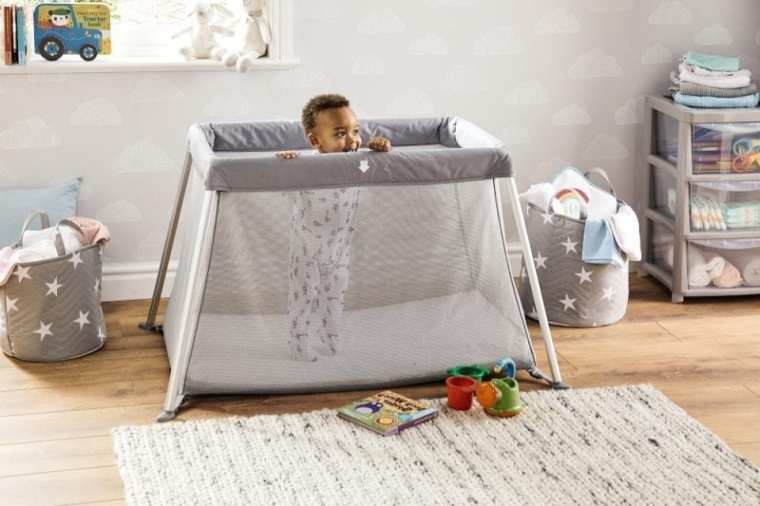
Cameras next to a cot are often on a wire, which means that a child could grab it, take it into their cot and get entangled.
 The Government may eventually have to scrap the triple lock (jacquesdurocher/Getty Images/iStockphoto)
Lock cupboards
Lock cupboards where you keep cleaning products, batteries, medicine, glassware and potentially tools.
Other things to note
You don’t need to overprepare. If you put edge protectors everywhere, then that child is not going to know what pain is. When they go anywhere else like nursery and do get hurt because they don’t understand it.
 Caption: Mother guiding her young daughter to school up the stairs, symbolizing back to school season and family bonding.
Photographer: FreshSplash
Provider: Getty Images
Source: E+
 Asian small toddler child is riding a toy car when he falls on the floor, leading to cries and shouts. The unhappy boy, playing with his toy car in the living room daylight, sheds tears – stock photo. (Photo: Getty)
The only baby gate brand Al Kola trusts is Baby Dan. “We use them for a few reasons: firstly, safety, secondly, practicality, and then thirdly, they look good. They are the only brand that currently ticks those boxes for most scenarios.”
As a finance expert that’s made money mistakes in the past, these are the secrets I’ll pass on…
Clare Seal once had £27,000 of credit card debt. Now she’s a financial coach.
Here are the tips she’ll pass onto her daughter.


MONEY
Clare’s story
I want [my daughter] to learn from my mistakes and make smaller, less catastrophic ones.
Over the course of 10 years, Seal amassed debt that equated to her whole pre-tax salary. Some was down to high living costs and a low salary and some from her wedding.
Now she’s paid off her debt, she is teaching her child to avoid this – and be wiser.
Align your career and lifestyle aspirations
I’d like to make sure my daughter knows what sort of salary her chosen profession can command, what sort of hours she might work and where to set her sights when it comes to lifestyle. When there’s a mismatch, it can lead to frustration, resentment and debt if you try to make up the shortfall with credit.
CLARE SEAL, AUTHOR OF FIVE STEPS TO FINANCIAL WELLBEING
 Young woman making a payment with a credit card – stock photo. (Photo: Getty)
The money tips I’ll pass on
 Caption: A married couple sitting in silence, looking in opposite directions. The image captures the concept of female loneliness within a marriage, emotional disconnection, and relationship problems. Symbolizes quiet desperation and isolation at home
Photographer: Galina Zhigalova
Provider: Getty Images
Source: Moment RF
Keep a ‘freedom fund’
This is specifically designed as an escape hatch from a difficult situation, like a horrible partner or bad boss.
Start investing
Investing even just a
tiny amount of pay
could help to grow real financial security.
 Rent control has proved a controversial topic in the UK, but is used more widely across the world (Photo: Getty)
 (Photo: Tang Ming Tung/Getty).
Always negotiate
For women additional benefits like a generous pension, paid leave and health insurance, can make a huge difference.
The money tips I’ll pass on
Liking yourself is your armour
“I could not tell you how much I have spent over the years, trying to ‘fix’ the parts of myself that society told me were not good enough,” says Seal.
 Friendships can be hugely rewarding but like any relationship you have to nurture them (Photo: Halfpoint Images/Getty/Moment RF)
 Caption: A young girl plays sits on a wooden bench beside a long radiator and a sunny window. She gazes out through the glass. The room is homely and comfortable. Conceptual with space for copy.
Photographer: Catherine Falls Commercial
Provider: Getty Images
Source: Moment RF
Have an enjoyment allowance
A pot of money for guilt-free spending is a good idea. If you start young enough, spending on your lifestyle and saving for your future don’t have to be mutually exclusive.
Use credit wisely
I want to teach her how easy
credit makes it easy to hide your own spending from yourself.
I hope she understands that there
is always a price to pay.
I don’t want her to be scared of credit though because that’s a recipe for misuse and shame.
I want her to know how to use it well and what the red flags are.

LIFESTYLE
4 min read
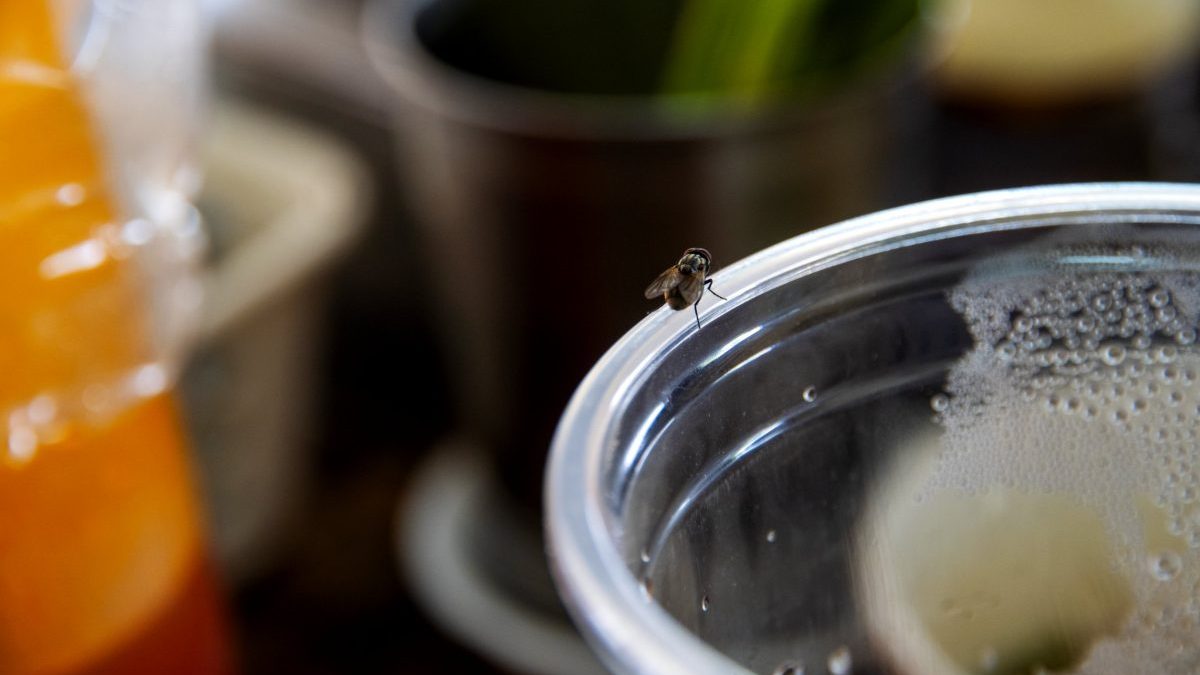
Summer is approaching, and so are the insects
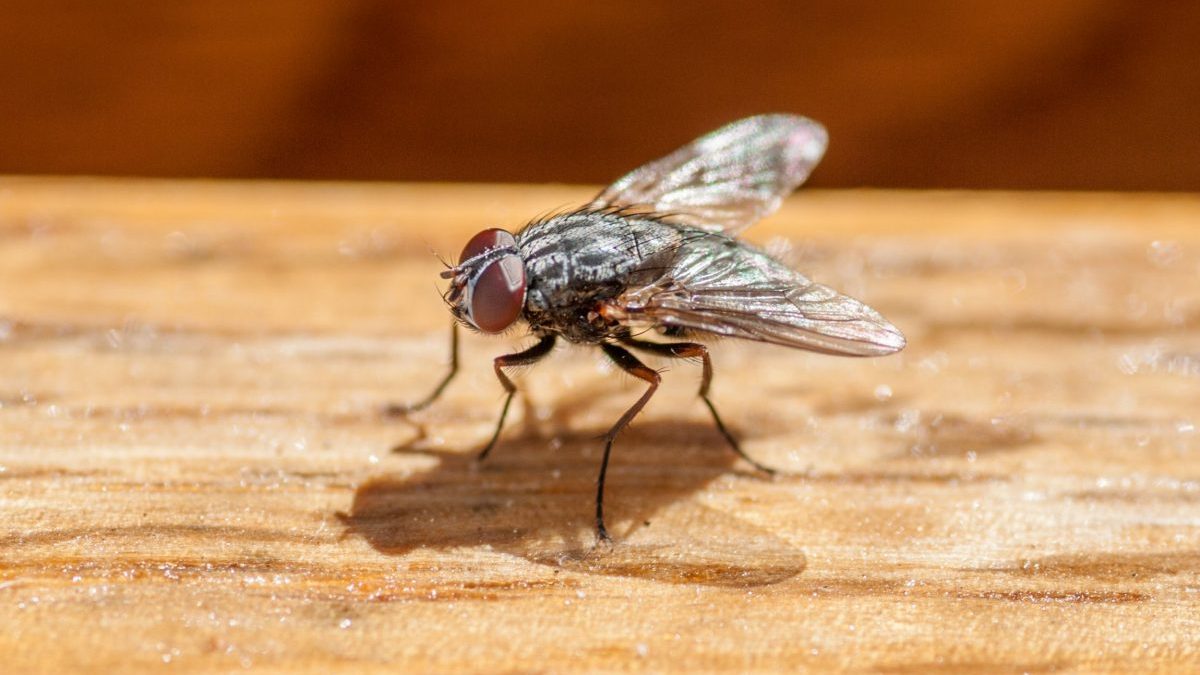
Are we getting more flies in the UK?
With warmer, wetter winters and longer summers, flies are likely to breed quicker and survive for longer. We’re likely to see more in the future.
James Logan, professor of medical entomology at the London School of Hygiene and Tropical Medicine, says we could see more bugs as warmer temperatures create an ideal environment for breeding.
How to deter flies
Clear out leftovers
Flies love leftover food, especially if it’s sugary or decaying. Food should be covered or in airtight containers, and leftovers cleared away immediately after eating.

 A man pours a glass of water from a chrome tap at a kitchen sink – stock photo. (Photo: Getty)
Clean your sink
Particles of food found in the sink or drains after washing up will attract flies so keep them clean and clear. Keeping windows closed will also help.
At-home remedies to try

Try vinegar
Mixing apple cider vinegar with a spoonful of sugar and washing up liquid attracts flies – they then drown in the liquid.
Lemon with cloves
Cut a lemon in half and stick in some cloves. It’ll create a strong combination of smells that repel flies.

 If you’re looking for a way to boost your health and wellbeing, you likely already have a goldmine in your store cupboard (Photo: Yulia-Images/Getty)
Herbs
Placing mint, rosemary and basil around windows and kitchens can keep flies at bay.
Techniques to use
Keep windows closed
Have windows ajar not wide open and use fans as the airflow makes it hard for flies to land.
 Take time to rest (Photo: Counter/Getty/Digital Vision/Nicolas Hudak)
 One example of this is the Intelligent Street Lighting project being trialled by Glasgow City Council. It uses an algorithm to process real time sensor data on noise, air pollution and footfall around the city and control street lighting in reaction to people’s use of cycle paths and open spaces.
(Richard Baker via Getty Images)
Use warm lights, if any
While flies are attracted to blue light, they are repelled by warm tones so try to get yellow or orange-toned lights.
Check your drains
Remove any organic matter that could be a food source, and clean them using boiling
water and vinegar.
 Water companies are allowed to spill sewage so long as their plants are overwhelmed (Photo: Finnbarr Webster/Getty)
Look at your bins
Leftover and decaying food is a playground for flies
 Caption: A resident walks past uncollected bin bags piled up on Poplar Road in Birmingham, central England, on April 15, 2025. Residents are desperately trying to get rid of an estimated 17,000 tonnes of trash that has piled up since refuse workers ramped up a strike last month. Four weeks in, the city council has declared a “major incident,” the prime minister has had to defend the government’s response in parliament, and residents say their problems are worsening by the day. (Photo by Paul ELLIS / AFP) (Photo by PAUL ELLIS/AFP via Getty Images)
Photographer: PAUL ELLIS
Provider: AFP via Getty Images
Source: AFP
Copyright: AFP or licensors
Keep your compost bin as far from the
house as possible, use a wheelie bin liner and keep the lids sealed, says pest control expert Jonathon Nicholls.

LIFESTYLE
2 min read
Menopause causes Alzheimer’s-like changes to the brain
Some symptoms overlap
between the perimenopause
and dementia which can be worrying for women but
experts say lifestyle changes can help.

The new research
Could this explain why
more women develop dementia than men?
Two thirds
According to the Alzheimer’s Society, women account for around two thirds of people living with Alzheimer’s disease (the most common form of dementia) in the UK.
Menopause
Some of the symptoms of menopause which are similar to dementia include memory issues, trouble with word retrieval, irritability, anxiety and frustration.
The differences
Someone with menopause brain fog may have difficulties with memory or clear thinking, but in dementia, these issues increase over time.
The person’s abilities will decline progressively and they will need more support with everyday tasks.
Memory problems with
menopause, however, can
improve with treatment, lifestyle changes or time.

Life lessons
5 min read

What to do if you have menopause-related brain fog
Managing menopause is a bit like putting together pieces of a jigsaw.
British Menopause Society (BMS) trustee Dr Paula Briggs says HRT can help but it’s not the only solution.
“It’s important to ensure that you’re eating well and exercising regularly throughout menopause, when your body is under some strain due to fluctuations in hormones”.
The lifestyle changes to make
 Caption: Healthy senior woman doing swim noodle exercises in aerobics pool class. Active senior people doing workout in swimming pool holding swim noodles.
Photographer: Luis Alvarez
Provider: Getty Images
Source: Digital Vision
Exercising
This supports mental health and sleep but it can be as simple as walking for 30 minutes.
Learn new things
Keeping your brain active can improve your brain health, cognition, well-being and mental health.
 Caption: Portrait of elderly woman solving sudoku puzzles at home, sitting in living room. Sudoku as popular game for aging people, logical thinking, problem solving.
Photographer: Halfpoint Images
Provider: Getty Images
Source: Moment RF
 Caption: File photo dated 26/11/14 of a pint of beer and a set of car keys on a bar in a pub in central London. More than a fifth (21%) of motorists have drunk alcohol after 10pm when needing to drive before 9am the following morning, a new survey suggests. Road safety charity IAM RoadSmart, which commissioned the poll, warned that drinking alcohol the night before getting behind the wheel can pose a “serious threat” because a “groggy head” means slower reaction times. Issue date: Friday July 18, 2025. PA Photo. Photo credit should read: Philip Toscano/PA Wire
Photographer: Philip Toscano
Provider: Philip Toscano/PA Wire
Source: PA
Reduce unhealthy habits
Reducing alcohol intake and quitting smoking are also worthwhile, says neuroscientist Professor Barbara Sahakian.
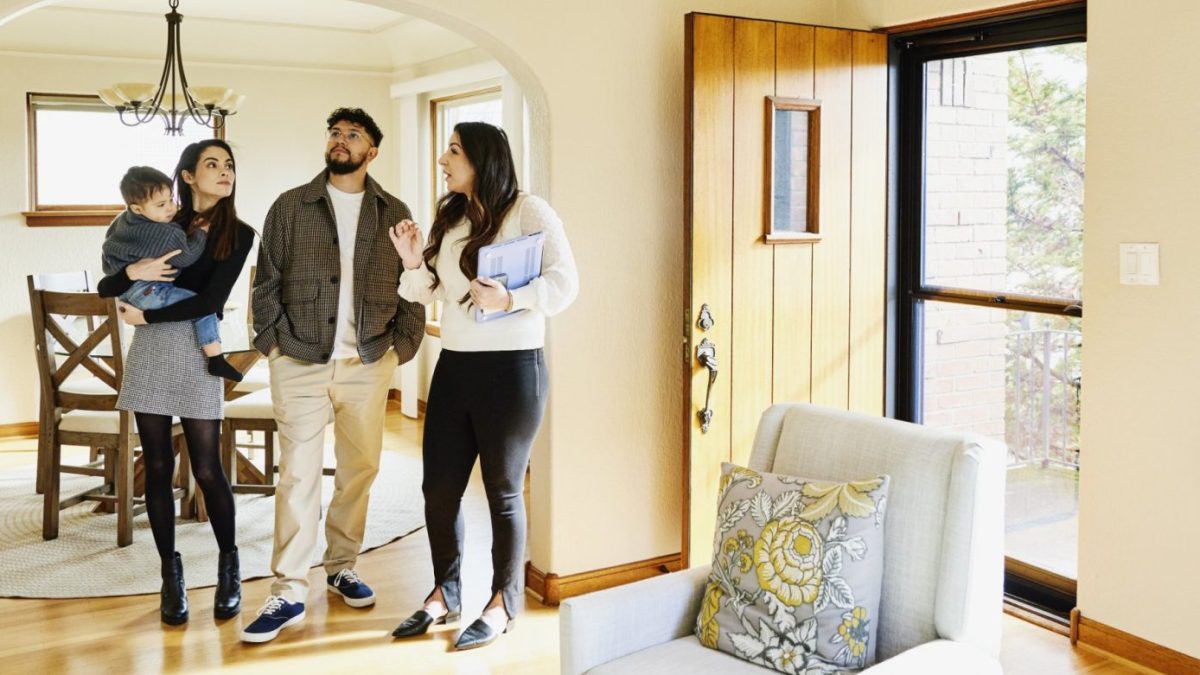
Selling a house can be a minefield
The market is stagnant, first-time buyers are struggling to save enough for deposits and sales are falling through.
To help, we asked experts for their tips on completing a sale. From what to do with decor and lighting to marketing it correctly.
These are the most common mistakes they see.
 (Photo: Anastasiia Krivenok/Getty).
LOREM IPSUM
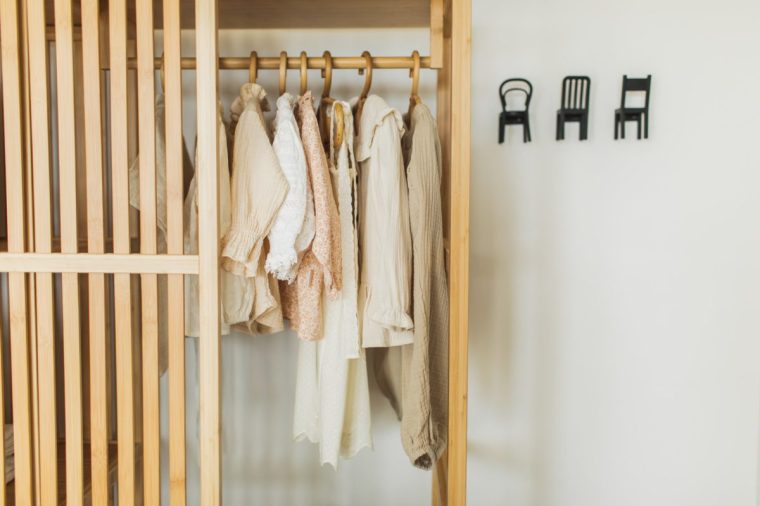
Paint problems
If you give people the choice of a renovation project or something that’s finished, they’ll go for the latter.
Arsh Ellahi, who has over 20 years of experience in the property industry, says buyers want houses that are done.
Warmer tones like stone and neutrals can also help a sale.
The mistakes to avoid
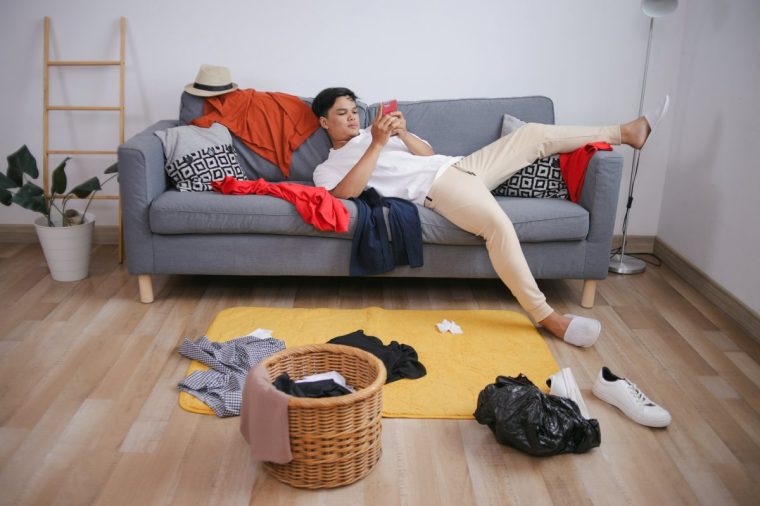
Leaving out clutter
If all someone can see is clutter, they’re more likely to think the house is too small. Space is value.
 ‘I do his laundry. I’ve learned to check the pockets. I regularly pull out enough snack wrappers to fill a small bag’, says Allana (Photo: Rani Nurlaela Desandi/Getty)
 (Photo: Nuthawut Somsuk/Getty).
Over-decorating
Show homes come without the personal element and are usually plain but modern. This draws people in.
Overpricing
When the price is set too high, it’s more likely to stay on the market. Your home has to look like good value for money.
 For the vast majority of people selling the home they live in the process is straightforward and tax-free (Photo: Karl Hendon/Getty)
The mistakes to avoid
Declining offers
Ellahi says the best offers tend to come within the first four weeks of marketing.
 Mortgage rates have been rising for days (Andrew Matthews/PA Wire)
 A reader is currently viewing properties (10’000 Hours/Getty Images/Digital Vision)
Being present for viewings
If the owners are there, buyers can feel uncomfortable walking around and getting a sense of the place.
The wrong photos
Photos are the first thing a potential buyer sees, and poor-quality images will stop stage two – the inquiry and viewing.

What to do
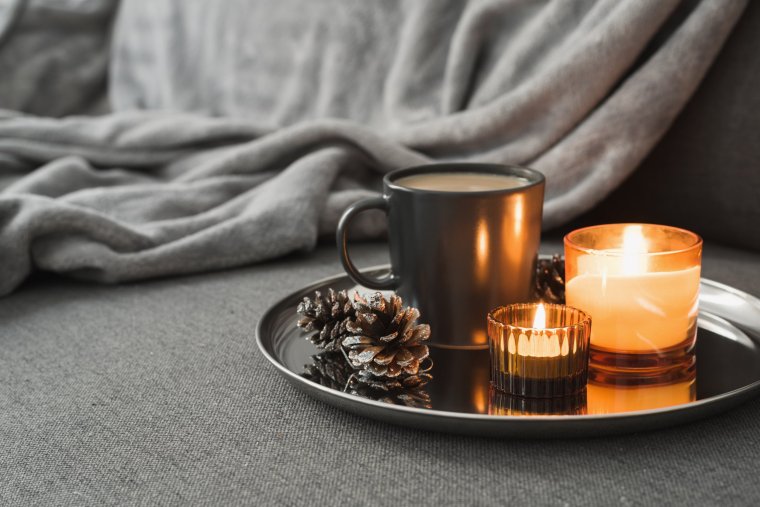 Light a candle for atmosphere (Photo: VeranikaSmirnaya/Getty/iStockphoto)
Prepare your home
Windows should be opened to allow fresh air in, and, if it’s cold, the heating should be turned on to make the house feel inviting and homely.
Be flexible
It’s really important to accommodate viewings on weekends or evenings when they’re most popular.
 Black alarm clock and bed – stock photo. (Photo: Getty)
 You do not need to have it all figured out but you do need to start (Photo: Olha Danylenko/ Getty)
Financially prepare
Solicitors’ fees, agent fees, and capital gains tax are all big things to consider when it comes to finances and being ready to sell.
Navigating hot and sticky weather is often a sensory and social nightmare
With summer approaching,
Dr Adil Sheraz of the British Association of Dermatologists, explains why we sweat and
what we can do about it.

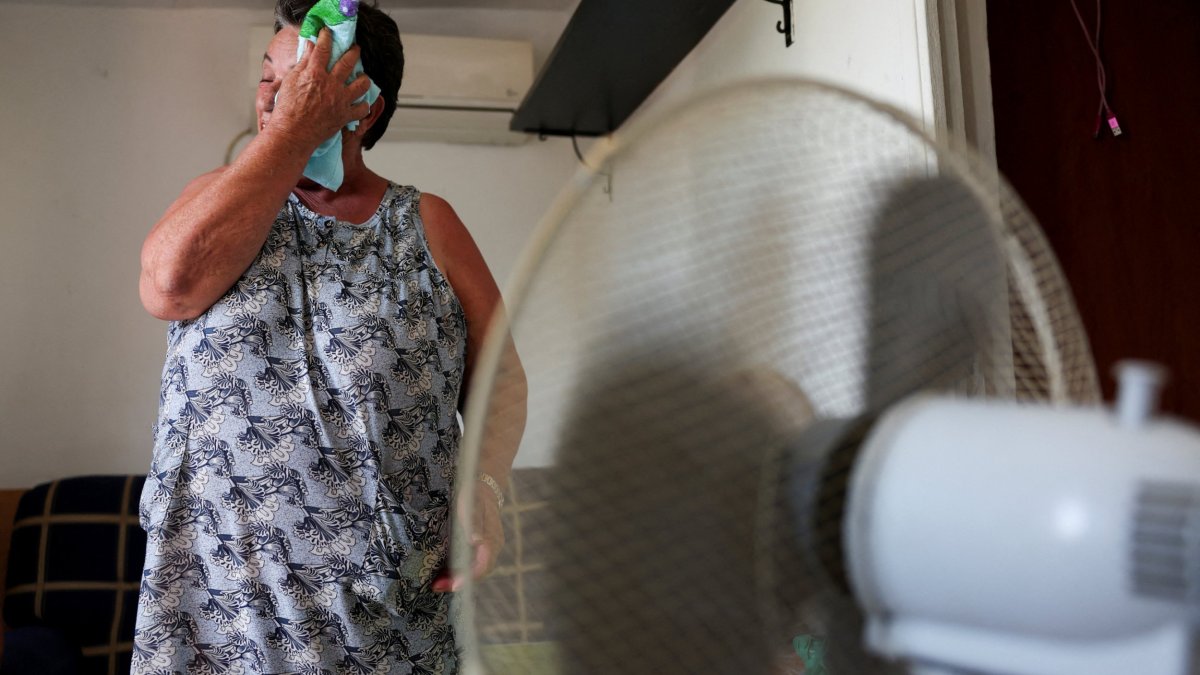 Monica Garcia, 65, swelters in Madrid’s first heatwave of the summer (Photo: Isabel Infantes/ Reuters)
Why do we sweat?
Sweating is an important part of thermoregulation. When you sweat and it evaporates off the skin, it will take the latent heat with it.
We’re covered in three to four million sweat glands and the majority produce a sweat made up of just electrolytes and water. In other words, completely odourless.
These eccrine glands function from birth
to keep us cool.
When does sweat smell?
 Oil in our sweat can suck in microplastics posing a health risk (Photo: Tom Williams/Getty)
Glands in the armpit, groin and scalp operate differently.
They’re under the control of hormones and the glands contain lipids and potentially fatty esters.
The bacteria on our skin will
feed off these fatty acids and
lipids and cause the odour.

LIFESTYLE
6 min read
Are we sweating more now?
It is not just the weather impacts how we sweat…
The bigger you are (in height, weight or muscle mass), the more surface area you will need to sweat on in order to cool down.
This is why men tend to sweat more than women and why you sweat
more when you gain weight.
Medical conditions like diabetes
and thyroid problems will also
cause increased sweating.
Certain dietary items, including caffeine, processed foods and spicy foods can also trigger the chemicals in our body which cause us to sweat more.
When does it matter?
If it’s impacting your daily life, you will likely have some form of hyperhidrosis and need
to speak to a doctor to determine further.
Primary hyperhidrosis is excessive sweating with no underlying cause.
Secondary hyperhidrosis means there’s a condition or illness causing the sweating.
There are two main ways to tell the difference.
Sweating with secondary causes tends to happen all over the body rather than just localised to your palms or armpits.
Primary hyperhidrosis tends to switch off when you’re sleeping as the neurons stop firing. This doesn’t happen with secondary hyperhidrosis.
How to manage sweat
 Caption: Relaxed young woman in bright summer clothes is sitting on a bench on a city street with her eyes closed enjoying music through headphones from a smartphone.
Photographer: Tanja Ivanova
Provider: Getty Images
Source: Moment RF
Clothing
Wear natural or wicking fabrics that prevent sweat patches, or clothes that are cooling for the skin.
Antiperspirant
One that contains aliminimium is advised as it’s well known for blocking and plugging our sweat ducts.
 Caption: Woman applying deodorant roll on under armpit
Photographer: wing-wing
Provider: Getty Images
Source: iStockphoto
 Britain’s best coffee shops have been revealed – spanning from the tip of Scotland to the bottom of England. (Photo: William Lailey / SWNS)
Dietary changes
Where possible
reduce dietary causes like caffeine and
spicy foods.
But the state pension is now hovering just slightly under the frozen personal allowance – the salary level over which people pay income tax – of £12,570.
If the state pension rises by 2.5 per cent next year – the minimum increase possible under the triple lock guarantee – it will exceed the personal allowance for the first time, meaning someone receiving the full amount should, in theory, have to pay basic rate tax on part of it.
Once you add in a workplace pension and, in your case, part-time earnings, it becomes clear how some pensioners are being pushed over the frozen higher-rate income tax threshold of £50,270, as fiscal drag pulls more people into higher tax bands.
We tend to think about the state pension as an immovable feast. You start claiming it when you reach state pension age and that’s it. However, as you point out pensioners have some flexibility over the timing and payment of their state pension.
“Deferring” a state pension can be split into two different actions: people can delay taking their state pension for the first time; and once they are claiming it, they can pause taking it.
They can do both actions only once. So, as in your case, they could delay taking it initially and then, when in payment, pause it once. But they could not pause it, start it again, and then pause it a second time.
There is no time limit for how long people can delay or pause the state pension for. But there are financial consequences behind both actions so it’s worth thinking through and whether it’s worthwhile given the individual’s personal circumstances.
The financial position is the same if they delay claiming it or pause taking it. Individuals must defer their state pension for at least nine weeks before they can claim increased regular payments. For every nine weeks they defer, they’ll get 1 per cent added to their regular weekly pension payment for life, working out as just under 5.8 per cent for every 52 weeks they delay or pause.
For some people, instead of delaying or pausing their state pension they may want to take it as normal and if they don’t need the income invest it, especially if they think they can get a return higher than 5.8 per cent.
But if they are delaying or pausing it because of tax reasons, then they will need to figure out how much tax they are saving themselves today. But they also need to factor how much money they are “losing” by not taking the state pension monthly payment. If they pause it for a year, then it would take around 17 years to get back the missed gross payments. So, if they paused at age 70, then they’d usually break even around 87, but that could depend on tax rates and bands over the 17 years.
This is a personal decision weighing up whether it’s best to pay a bit more tax today, but with the reassurance that you are receiving the payments due to you (possibly investing them). Or whether by pausing the state pension you can save yourself additional tax today and live long enough to claim back the full amount you missed.
However, this is a tricky decision as you are basing it not only on tax rates and thresholds today but also on what they may be in future, and you may find the act of increasing your state pension may mean you end up paying higher rates in either case.