
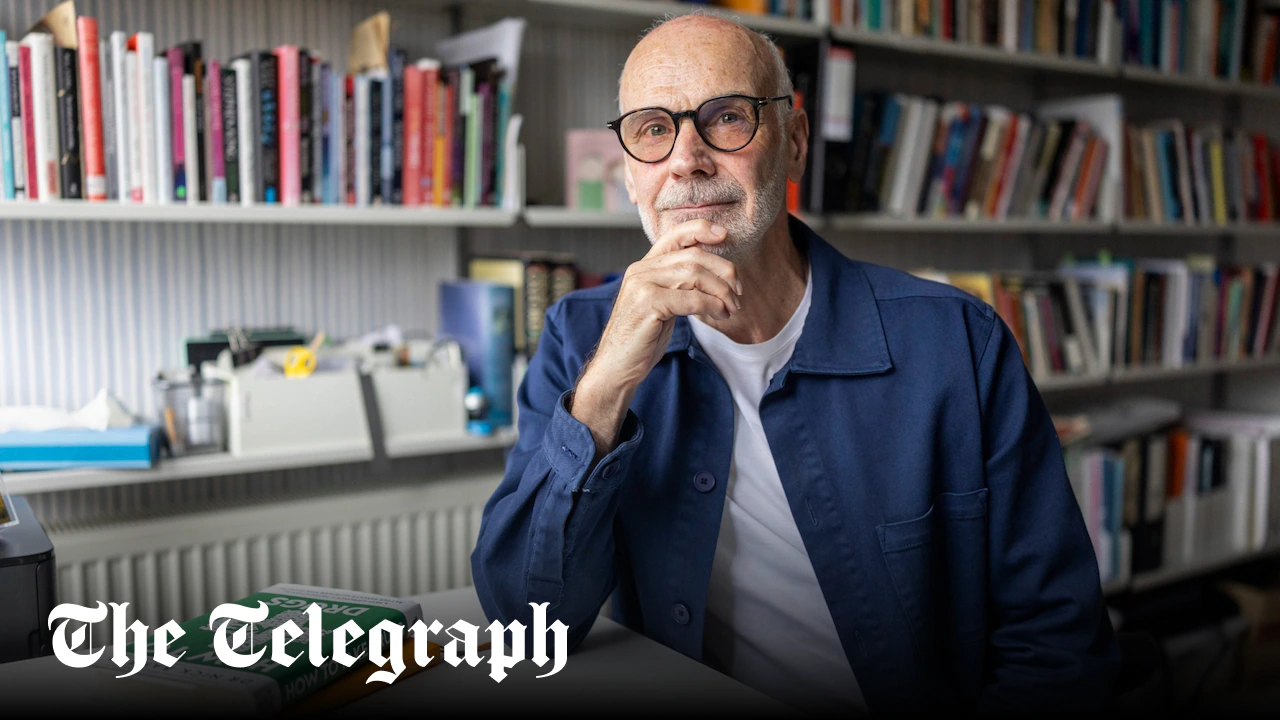
Much of this approach, says Barber, is down to the way modern society views illness. “We’re treating the disease, not the patient,” he says. “Plus, most technologies develop because of feedback from the user: For example, they improve a car model every five years and regularly update the software on our phones. But you don’t have that feedback loop with medicines because in the end the sale is to a health system.”
Why pills don’t always work wellThey are off the peg, not bespoke
Before drugs come to market, they go through exhaustive rounds of clinical trials, but these don’t take into account a person’s sex, age, or genetic make-up.
Historically, medical trials were conducted mainly on men. “There was an assumption that women and men weren’t that different, but then we had incidents like the appalling thalidomide tragedy,” says Barber, referring to a drug that decades ago was mistakenly viewed as safe during pregnancy before later being found to cause birth defects. “Even these days, it can be hard to recruit people to trials, but that’s even more of a reason to include women, as they’re not a rare species on the planet.”
The difference matters, because women may metabolise drugs more slowly than men – meaning the medication stays in their system for longer – or they may react in a certain way depending on where they are in their menstrual cycle.
Factors such as body size, genetics, liver or kidney function, and the interaction with other medications can also have a big impact. According to Barber, the future lies in creating a more personalised prescription model based on an individual’s specific make-up. There are already trials taking place in this area, which is known as pharmacogenomics.
Drugs like statins may not be worth taking
“When we’re discussing whether a drug works, it depends on what you mean by ‘works’,” says Barber. “A statin, for example, will probably lower your cholesterol. But the reason you’re being given a statin is because you want to avoid a heart attack or stroke.”
If you’re reasonably healthy, says Barber, and have no risk factors other than the fact your lipids are raised, “then perhaps, for every 100 people who take a statin for 10 years, one person will avoid a stroke or heart attack.
“Some people still think this is worth it – they really don’t want a heart attack or a stroke, even if it’s a one-in-100 chance. It’s like a fire insurance policy on the house: You’re probably never going to claim it, but you’re happy it’s there.”
Barber emphasises that the more risk factors you have, such as a family history of cardiovascular disease, high blood pressure – as well as being older – the more you are at risk and the more likely it is that the drugs will make a difference. “So these things have to be taken into account,” he says.
Statins can also come with side effects of muscle pain or weakness, but it can be hard to know what is a true side effect versus what is a “nocebo” (see below).
We don’t take our drugs properly
The man who missed his dose to go to a golf match, the woman who refused to keep aspirin in the house because her daughter was allergic to it – over his long career, Barber has seen some inventive reasons for what the experts call “nonadherence”.
“There are people who take tablets as part of their work routine, so they forget on weekends,” he says. “Sometimes, people don’t like having drugs ‘imposed’ on them. For long-term conditions, there are probably between a quarter, and a half, of all patients not adhering to at least one of their medicines.”
Cost might also keep some people from picking up their prescriptions every month. Unsurprisingly, all the above affects how well the drugs work.
Side effects, real or imagined, affect the way we take drugs
One reason people don’t adhere to their drugs regime is concern over side effects.
Open any medicine pack, and you will see on the leaflet a list of possible side effects. These can be so overwhelming it’s not surprising that you might worry.
The problem is, it can be hard to know when an apparent reaction is actually a side effect. “A study has shown that eight out of 10 healthy people not taking a medicine report having at least one symptom that would be seen as a side effect: dry mouth, headache, nausea and so on,” says Barber.
Then there is a phenomenon known as “nocebo”, in which the act of reading about a side effect, rather than the drug itself, causes symptoms to appear. In a 2021 study on Covid vaccinations, 35 out of 100 people reported having side effects of headache or fatigue, when they had only been given a placebo – an injection with no active ingredient.
How can we make the most of our prescriptions?
The trick, says Barber, is not just to take medicines, but to “take control”. His book contains a useful acronym, Nabr, which he pronounces as “neighbour”. This stands for do Nothing, discuss Alternatives, and examine the Benefits and Risks of the drugs.
In practice, this could mean:
Asking more questions of your GP
“Many GPs have been trained to tell you which drug they think you need,” says Barber. “I call it ‘knee-jerk prescribing’. So, the first thing to do as a patient is break that habit and ask: What is the diagnosis?”
“Ask what the options are – including doing nothing,” he adds. “Doing nothing has a fine tradition.” This pause is what GPs call “watchful waiting”.