
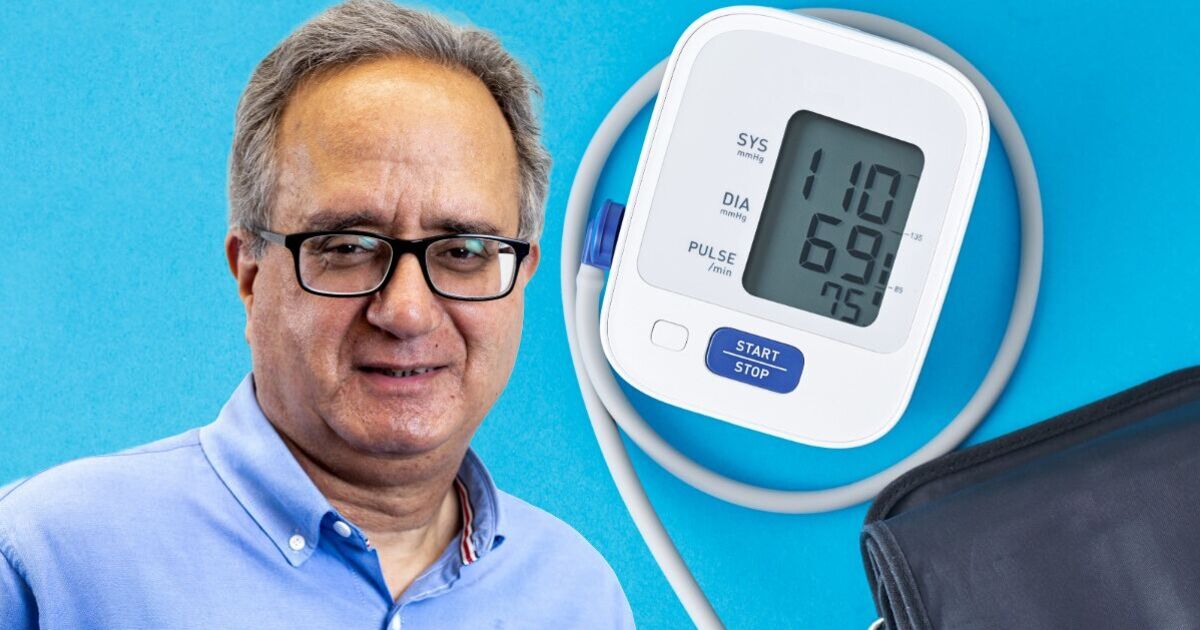
Small changes and medication if necessary can add years of healthy life (Image: Humphrey Nemar/Getty)
Around one in three adults in the UK has high blood pressure. As an NHS GP, it is one of the commonest long-term health conditions I see. Although it usually causes no symptoms in its early stages, high blood pressure is a leading cause of heart attacks, strokes, kidney disease and dementia. The good news is that it can usually be detected and treated effectively.
What is blood pressure?
Blood pressure is the pressure on the walls of your arteries as your heart pumps blood around your body. If this pressure remains too high over many years, it gradually damages blood vessels and puts extra strain on your heart and other organs.
This damage often happens silently, without causing any warning signs, which is why high blood pressure is sometimes called the ‘silent killer’.
Many people assume they would know if they had high blood pressure because they would feel unwell. In reality, most people feel perfectly healthy. By the time symptoms develop, damage to your arteries and organs may already have occurred.
The only reliable way to know whether your blood pressure is high is to have it measured. The risk of developing high blood pressure increases as we get older but it can affect adults of any age. It is more common in people who are overweight, physically inactive, smoke, drink excessive amounts of alcohol or have diets that are high in salt.
A family history of high blood pressure also increases your risk as do conditions such as kidney disease. Some ethnic groups, including people of Black African and Black Caribbean heritage, also have a higher risk of developing high blood pressure and its complications.
Where can I get checked?
Checking your blood pressure is quick, simple and usually free. You can have it measured at your GP surgery, at many community pharmacies and at local health events.
Many people also choose to buy a home blood pressure monitor. Reliable devices are now available for around £20 to £30, making it easy to keep track of your blood pressure.
In some cases, your GP may recommend a 24-hour blood pressure monitor, which automatically records readings throughout the day and night and is most accurate way to confirm a diagnosis of high blood pressure.
For people who have been diagnosed with high blood pressure, home blood pressure monitoring is important. Some people become anxious when their blood pressure is measured in a healthcare setting, leading to a temporary rise in the reading (known as ‘white coat hypertension’).
Measuring your blood pressure at home can provide a more accurate picture of your usual blood pressure.
Lifestyle changes and medication
If your blood pressure is raised, the first step is to look at your lifestyle as even modest changes can make a difference. Maintaining a healthy weight is one of the most effective ways to reduce blood pressure. Regular physical activity, such as brisk walking, cycling or swimming for at least 150 minutes each week, also has important benefits.
Eating a balanced diet while reducing salt intake can also help lower blood pressure. If you smoke, stopping smoking is also essential as is limiting your alcohol intake.
Lifestyle changes alone, however, are not always enough and many people will need medication to control their blood pressure. This should not be seen as a failure — even people who live very healthy lives may require treatment.
Today, we have a range of safe and effective medicines for high blood pressure that can substantially reduce the risk of heart attacks, strokes and other complications. Your GP will recommend the combination of treatment that is most appropriate for your individual circumstances.
The importance of regular checks
Once treatment has started, regular follow-up is important. Most people with high blood pressure are invited for an annual review at their GP surgery. As well as checking blood
pressure, your healthcare team will often arrange blood and urine tests to assess kidney function and look for other conditions, such as raised cholesterol or diabetes, that may increase your overall cardiovascular risk.
These reviews also provide an opportunity to discuss your lifestyle and make sure that your medication is working well and not causing troublesome side effects.
One of the biggest advances in recent years has been encouraging patients to take a more active role in monitoring their own blood pressure. Keeping a record of home readings helps both patients and healthcare professionals understand how well treatment is working and whether adjustments to medication are needed. It also allows many people to feel more involved in managing their own health.
Why controlling your blood pressure matters
High blood pressure is one of the most treatable major risk factors for serious illness. By identifying it early and treating it effectively, we can greatly reduce the risk of heart attacks, strokes, kidney disease and other complications.
Small changes to your lifestyle, combined with medication when necessary, can add years of healthy life.
Because high blood pressure usually causes no symptoms, don’t wait until you feel unwell. If you haven’t had your blood pressure checked recently, arrange to have it measured.
Knowing your blood pressure numbers is one of the simplest and most important steps you can take to protect your health