
Your support helps us to tell the story
From reproductive rights to climate change to Big Tech, The Independent is on the ground when the story is developing. Whether it’s investigating the financials of Elon Musk’s pro-Trump PAC or producing our latest documentary, ‘The A Word’, which shines a light on the American women fighting for reproductive rights, we know how important it is to parse out the facts from the messaging.
At such a critical moment in US history, we need reporters on the ground. Your donation allows us to keep sending journalists to speak to both sides of the story.
The Independent is trusted by Americans across the entire political spectrum. And unlike many other quality news outlets, we choose not to lock Americans out of our reporting and analysis with paywalls. We believe quality journalism should be available to everyone, paid for by those who can afford it.
Your support makes all the difference.Read more
Just three minutes of high-intensity exercise can offer greater benefits for overall health than a moderate-intensity 90-minute workout, a new study suggests.
This may seem counterintuitive, but researchers say the difference is shown in people’s blood – so less, can really mean more.
Nearly 20 healthy men who ran 30-second sprints over the course of one 23-minute session had more molecules in their bloodstream tied to improvements in muscle, liver, intestinal, immune and organ health than men who rode bikes for 90 minutes.
Blood samples showed that moderate treadmill running led to fewer of these molecules in the blood than the 30-second sprints.
“What’s exciting here is that just a few minutes of intense exercise can trigger a significant molecular response,” cardiologist Dr. Paul Cohen, who leads the molecular metabolism lab at New York’s Rockefeller University, said in a statement.
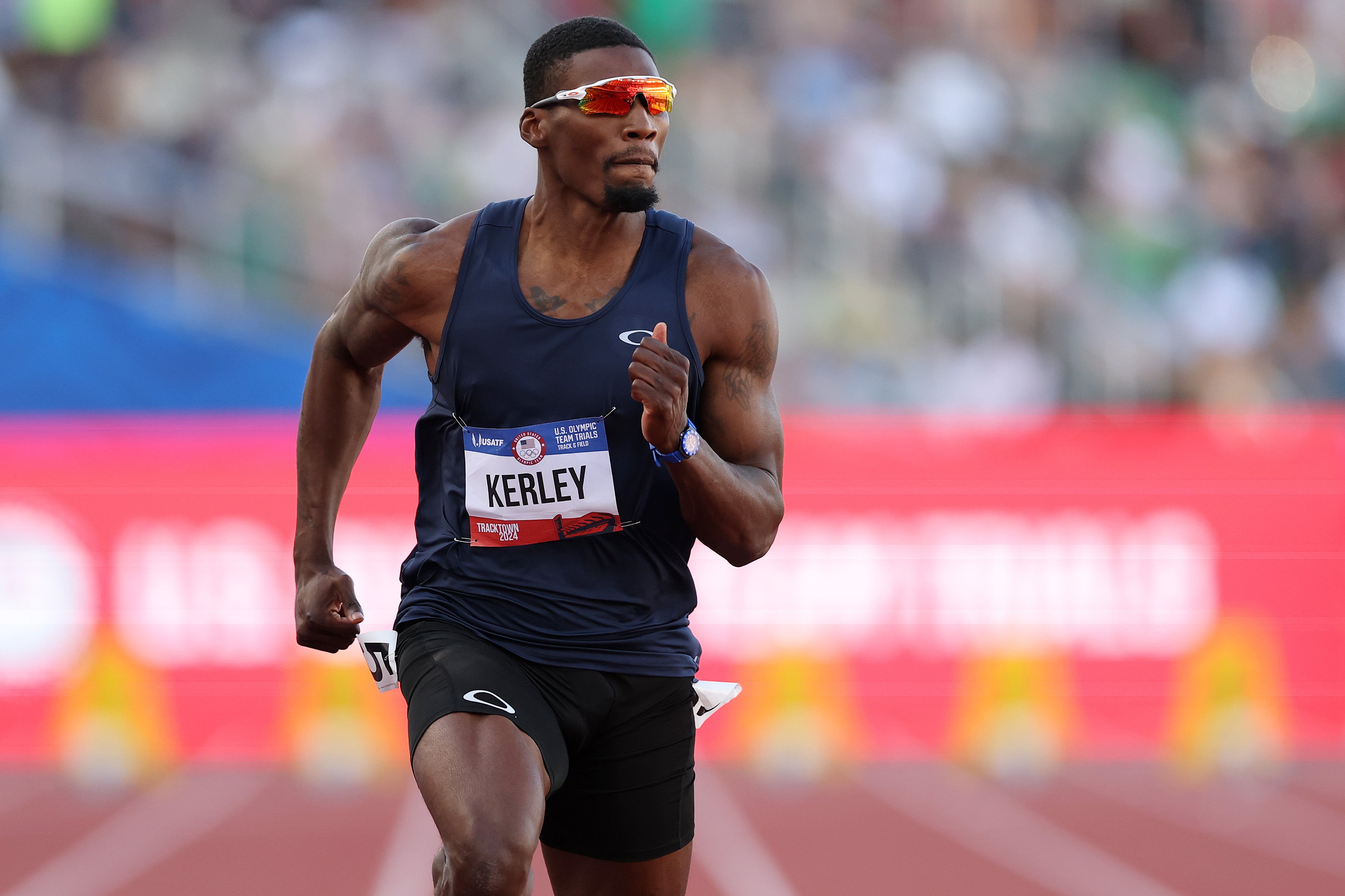 It’s long been known that exercise can improve overall health. New research reveals that the kind of exercise matters more than we knew (Getty Images)
“And we still see it after eight weeks of training, which tells us this response isn’t simply a product of the body struggling to keep up with unfamiliar stress. It may be that the responses we observed are intrinsic to intense exercise.”
The researchers drew blood before the workout, during, immediately after the workout and three hours later.
The samples indicated that there was an immediate surge in levels of more than 700 proteins that lower the risk of cardiovascular and metabolic disease in the men who sprinted, researchers found.
But only seven such proteins changed in the blood of the bike-riding men during the activity – and only a dozen more changed after three hours.
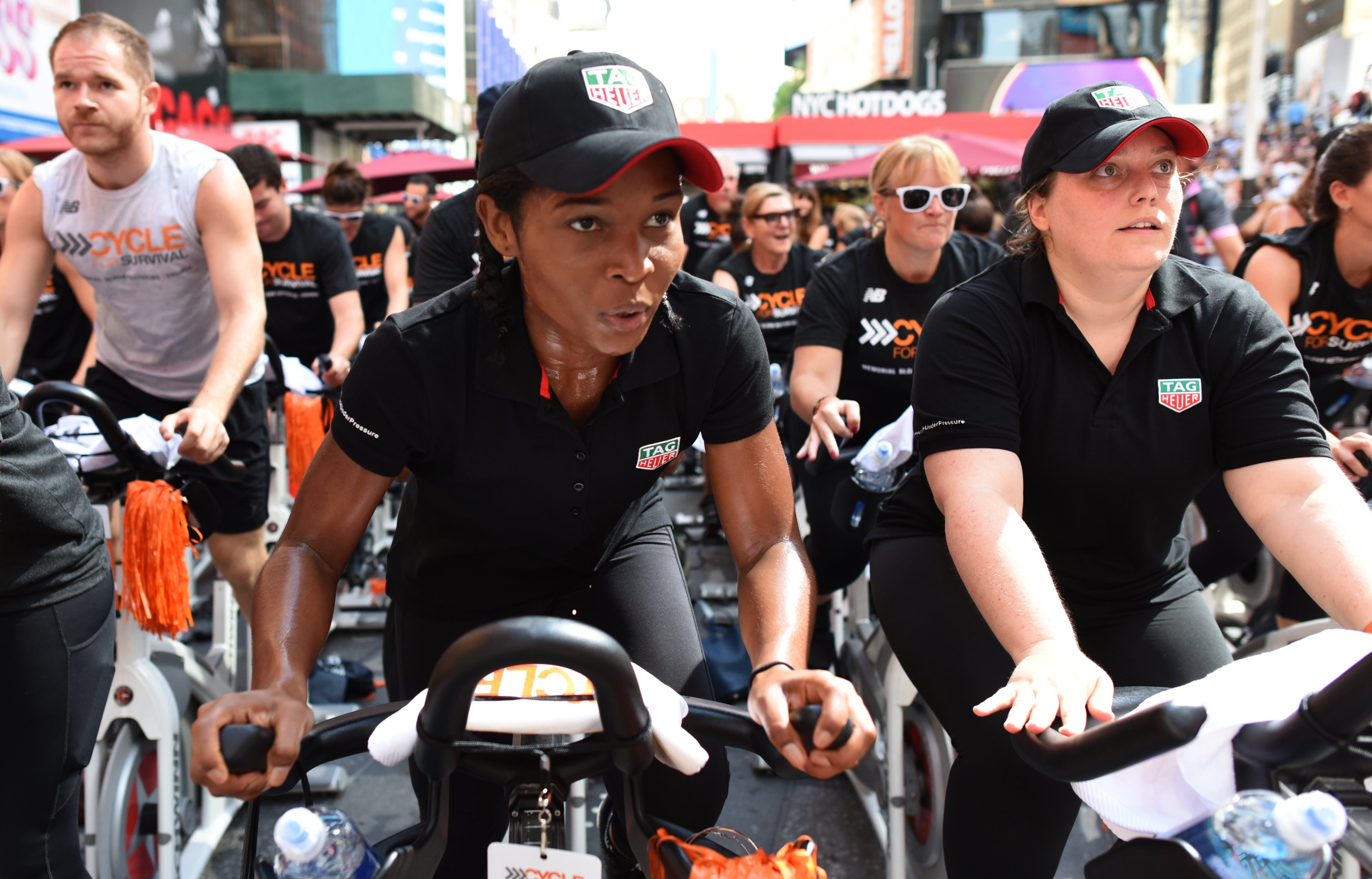 Women were not included in this study but future research could look into wider groups of athletes and the effects of high-intensity exercise on their blood (AFP via Getty Images)
The findings add to scientists’ understanding of how exercise is tied to improvements in health.
Researchers have long made the connection between the two – but exactly how exercise helps people to live longer and stave off deadly disease has yet to be pinned down.
The study indicates that exercise changes the body, but not all intensities are equal. However, women were not included in the study and it was relatively small. Future research with a wider pool of participants could shed more light on how widely applicable the findings are.
“We know exercise is associated with beneficial health outcomes,” Cohen told The Washington Post on Wednesday. “But we don’t have a deep understanding of how that occurs and how different organs signal to one another during and after exercise.”