
 Mixed Martial Art (Sunan Wongsa-nga/Getty Images)
Probiotic supplementation could reduce the adverse effects of rapid weight loss in combat athletes by modulating gut homeostasis and strengthening intestinal barrier integrity.
Combat sports athletes often experience gastrointestinal disturbances during pre-competition weight management.
Writing in Frontiers in Nutrition, Chinese researchers reported that supplementing with a blend of probiotics could significantly reduce gastrointestinal symptoms, including dyspepsia, diarrhea and constipation, as well as gut permeability markers such as zonulin.
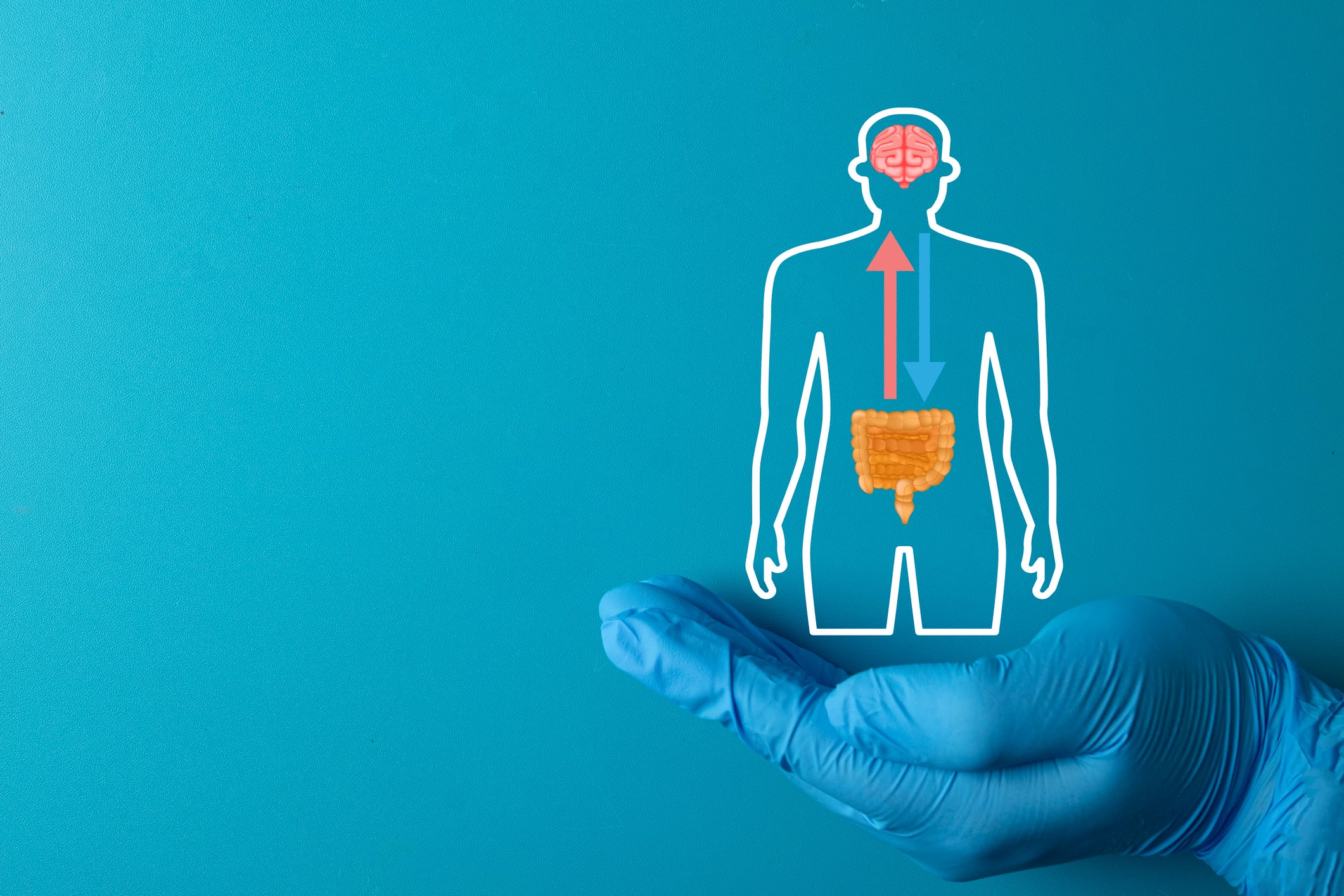 The study suggests Lactiplantibacillus plantarum KABP-051 delivers improvements in body composition alongside benefits for mood and energy levels in healthy overweight adults (Pakorn Supajitsoontorn/Getty Images)
Heat-treated Lactobacillus gasseri CP2305 may boost brain activity for young healthy people and alleviate stress levels, according to a small study from Asahi Quality and Innovations in Japan.
Data published in Frontiers in Nutrition indicated that a single dose of the postbiotic was associated with an increase in relaxation-associated brain alpha activity and improved parasympathetic nervous system activity – also the body’s “rest and digest” mode that helps to stress, reduce heart rate and build resilience.
Additional data from an intestinal cell model revealed increases in serotonin secretion.
 Galangal, available whole, cut or powdered, has a pungent, peppery flavor that’s slightly reminiscent of ginger. Photo by The Kitchn
Short-term ginger supplementation could enhance cholesterol efflux capacity (CEC) and improve antioxidant response in healthy participants, according to new findings published in Complementary Therapies in Clinical Practice.
A predictor of cardiovascular risk, CEC levels are inversely related to coronary events.
It acts as a critical step in the reverse cholesterol pathway, in which high-density lipoprotein (HDL) removes excess cholesterol from tissues and cells and delivers it to the liver for excretion or recycling.
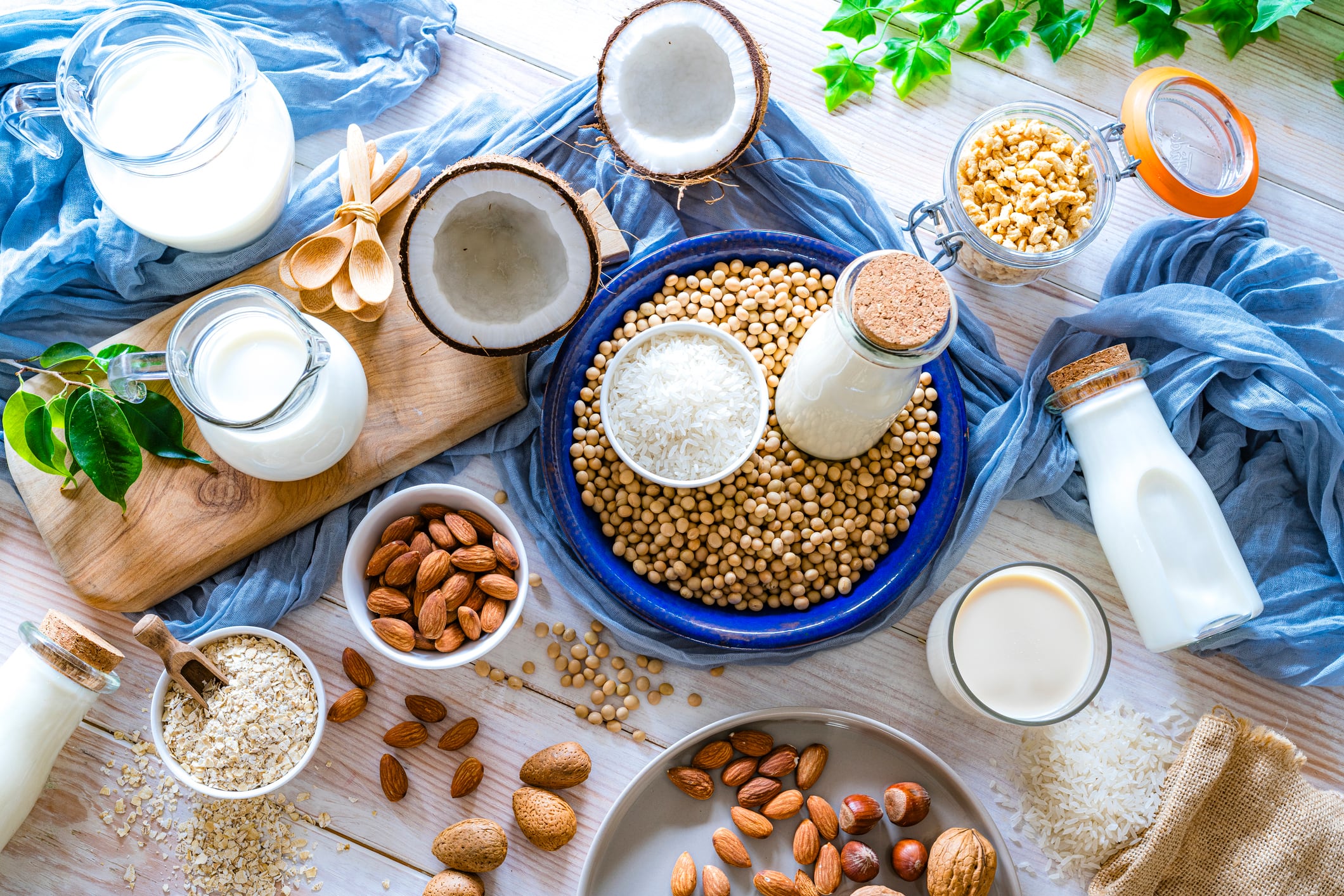 Emerging technologies are creating a range of viable ingredient alternatives. (fcafotodigital/Image: Getty/Fcafotodigital)
Protein supplementation, depending on the types of protein taken, can affect the plasma levels of different advanced glycation end products (AGEs), based on new findings published in Nutrients.
For instance, soy protein supplementation can significantly increase the plasma levels of the AGE N(6)-(1-carboxymethyl)-L-lysine (CML) – an AGE found to be elevated in patients with type 2 diabetes and coronary heart disease.
Casein protein supplementation also showed a significant increase in plasma levels of the AGE pentosidine, where high levels are identified as a risk factor for fractures in older adults with diabetes.
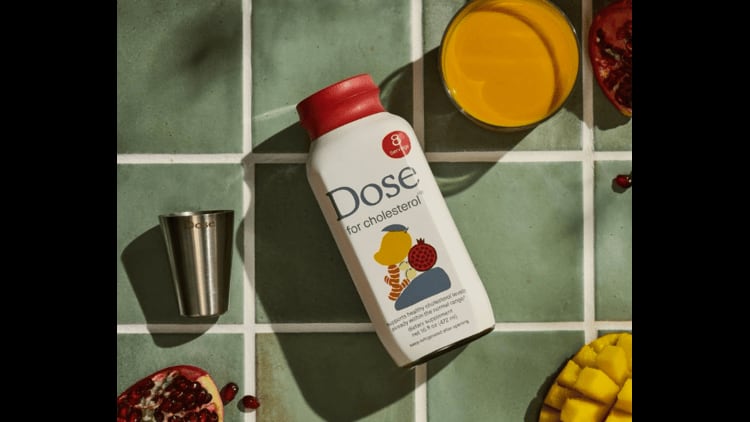 Dose for Cholesterol (Dose Facebook)
Daily supplementation with Dose for Cholesterol liquid supplement has demonstrated lipid-lowering and cardioprotective effects in healthy adults, according to a randomized, double-blind, placebo-controlled study conducted in India.
Findings published in the Journal of Dietary Supplements reported that the supplement lowered low-density lipoprotein (LDL), total cholesterol, very-low-density lipoprotein (VLDL) and triglycerides, alongside increasing levels of HDL.
In addition, improvements were seen in several cardiometabolic biomarkers such as adiponectin, ApoA1 and ApoB.